Rooms
Experiences
Events
Collection
Gallery
Murals
Promos
Collections
Book Now
Go to maps
Contact Us
Follow us
+52 55 9724 1957
Book Now
Book Now

Murals

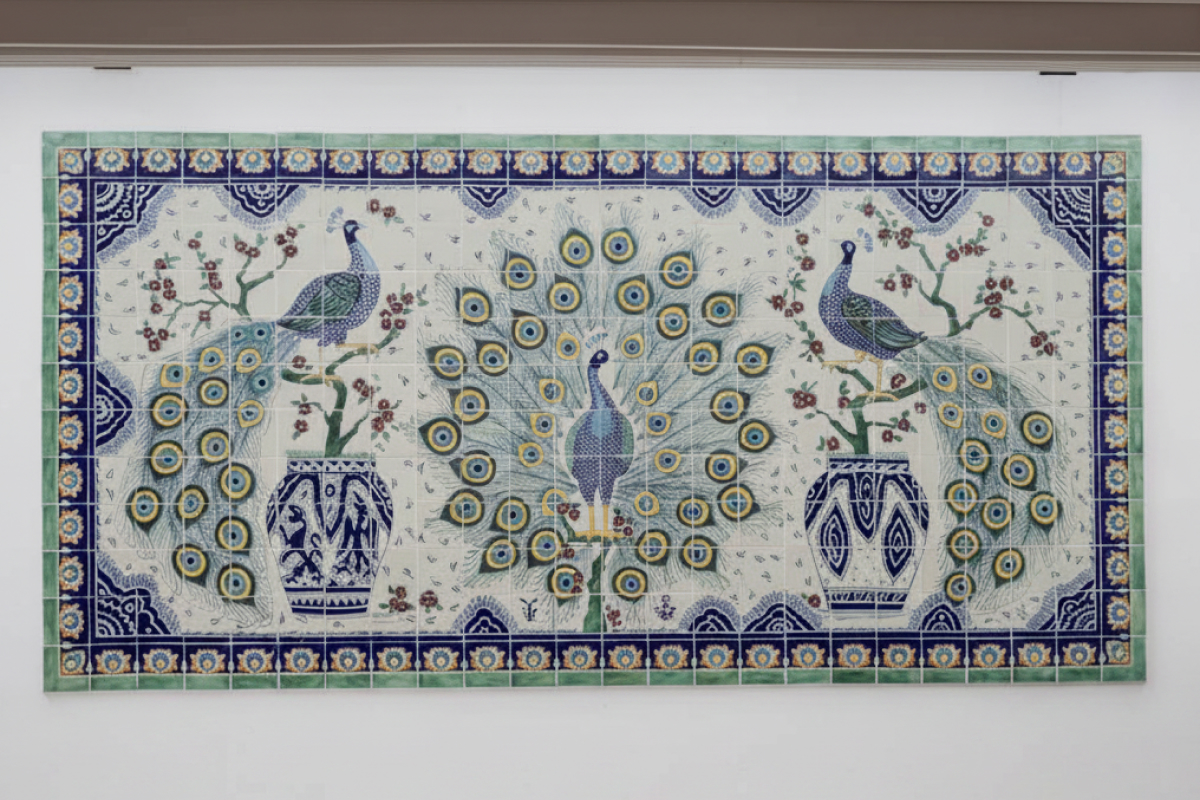
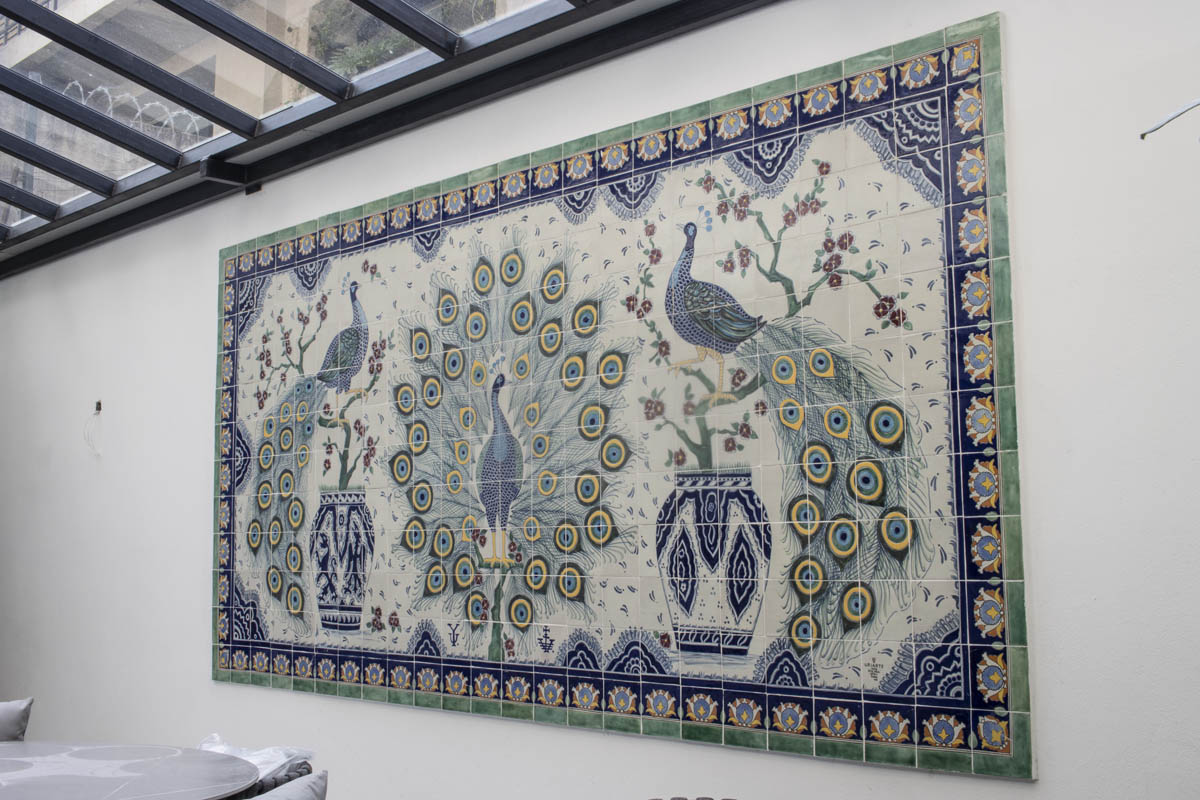
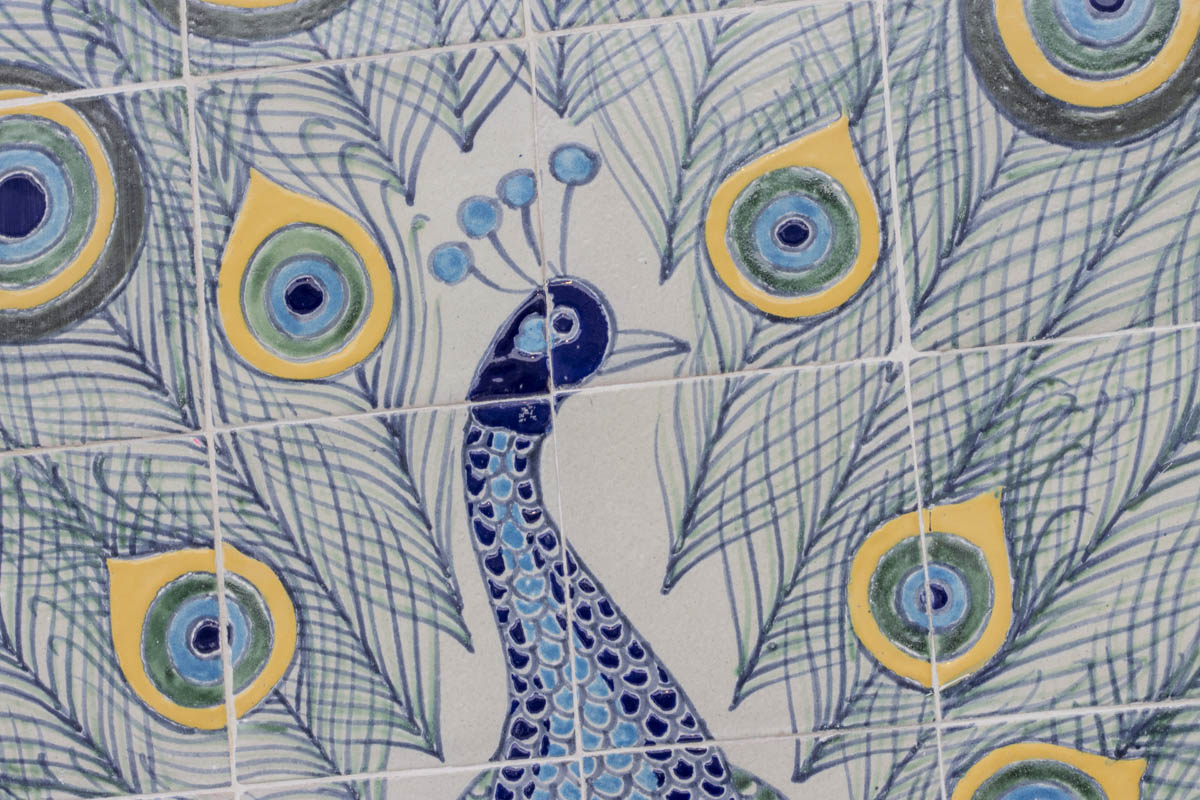
Pavorreales

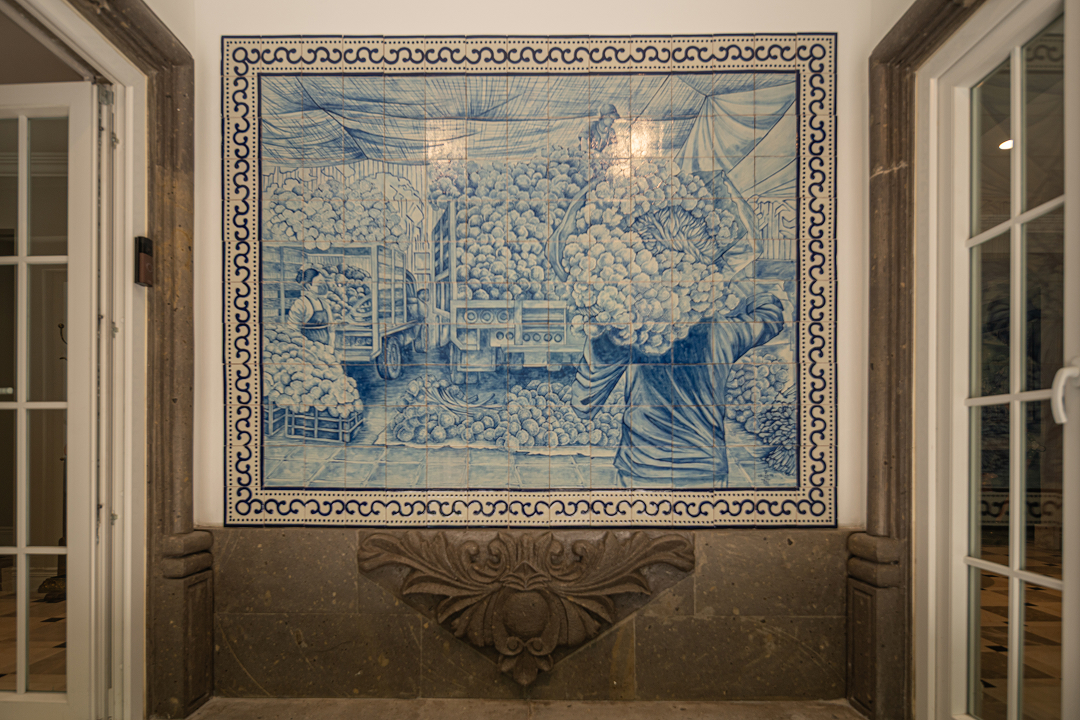
Mercado de flores

El Organillero

El rey del brillo

El Panadero

El Globero

Trajineras

Vendedor de sombreros

El vendedor de juguetes

Canastos

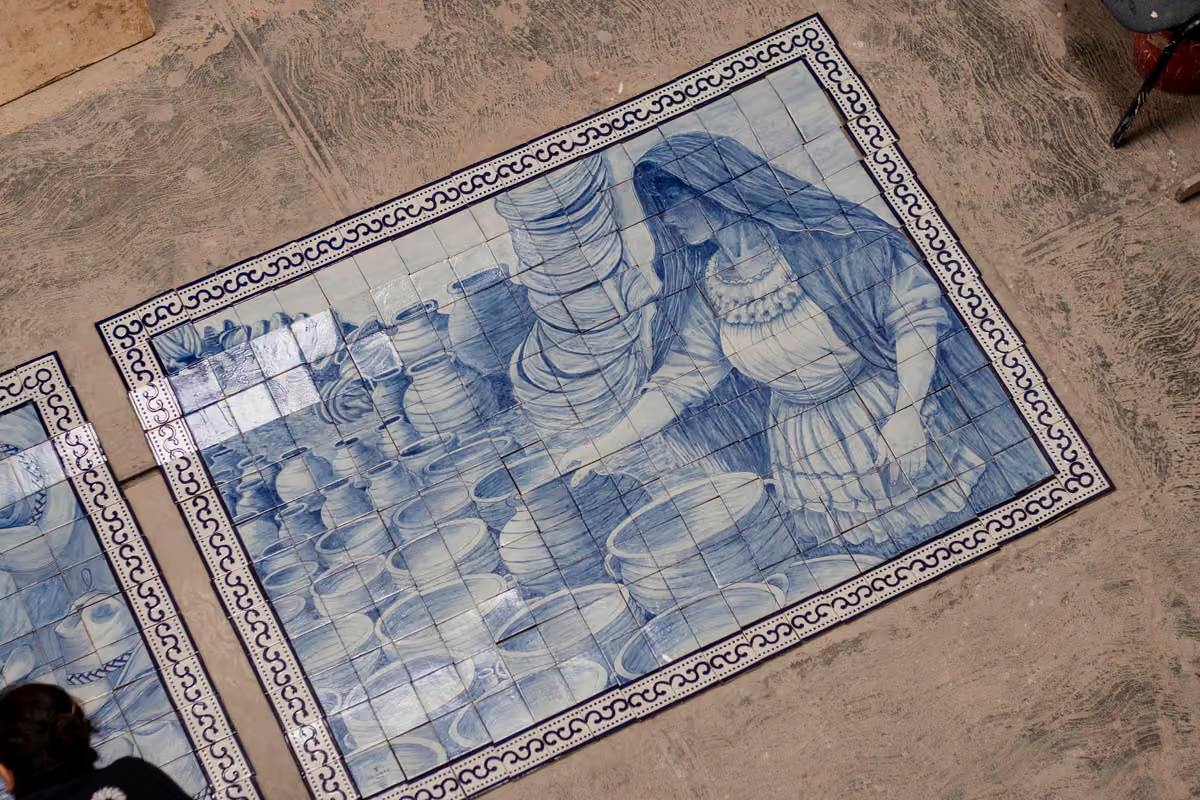
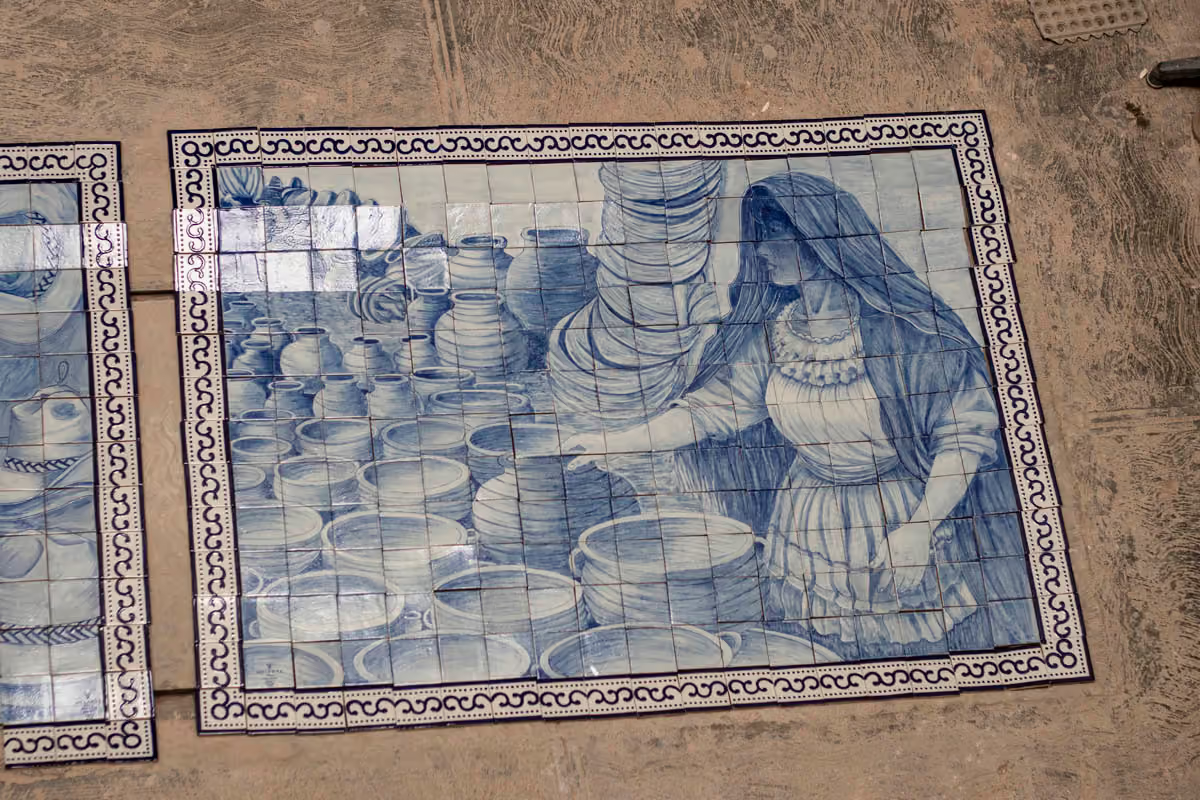
Vendedora de vasijas de barro

Muñecas

Pulquería

Piñatas

Pavorreales Replica by Enrique Luis Ventosa.

Artisans: Enrique Vázquez Tejeda and Víctor

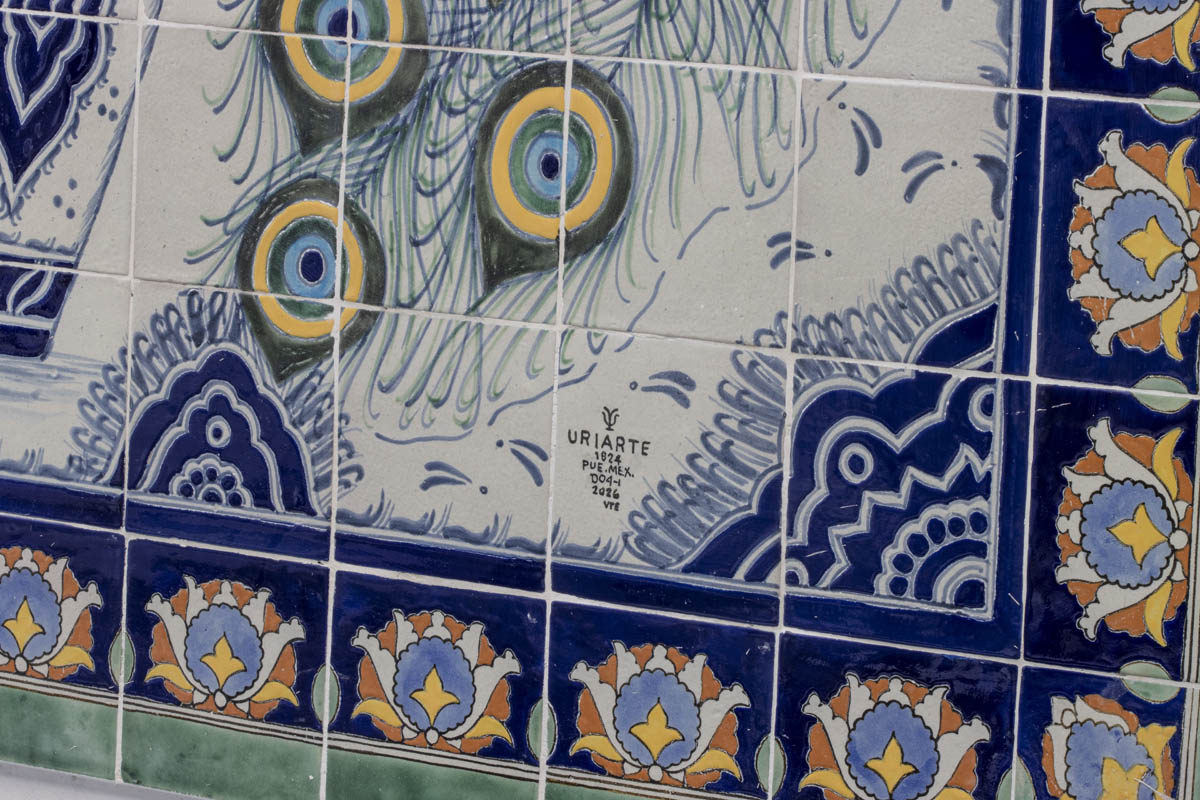
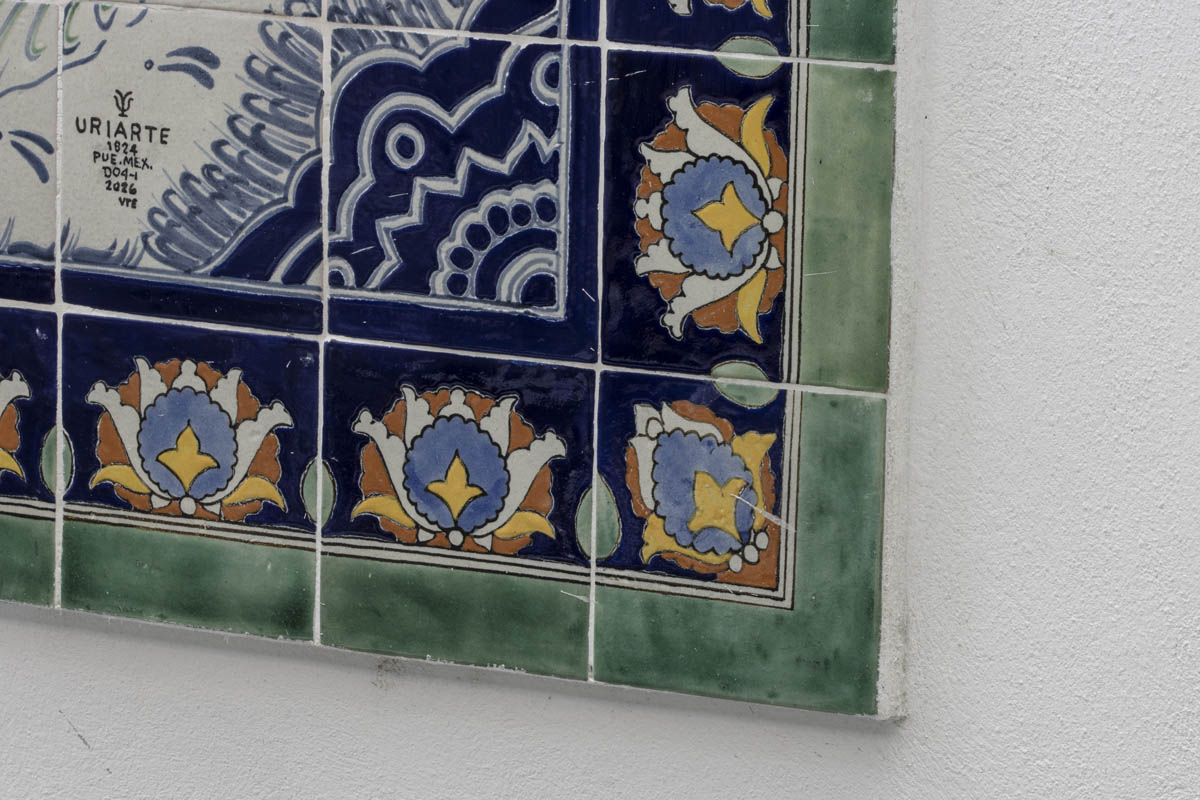
Although he approached several local workshops to learn the old process for making Talavera, it was with Isauro Uriarte that he achieved a true artistic revolution in Puebla. Ventosa found a unique and unrepeatable harmony with Uriarte, one that produced pieces that go beyond the utilitarian to become genuine masterpieces of an artistic avant-garde never before seen in Talavera poblana. The most complete and complex example of the work between Uriarte and Ventosa is the mural de los Pavo Reales, a true masterpiece of Talavera muralism, made and assembled by both creators in 1919. The artistic conception of the elements that compose it is a clear manifesto of the creative intentions and reflections that led Talavera poblana down paths never explored before.
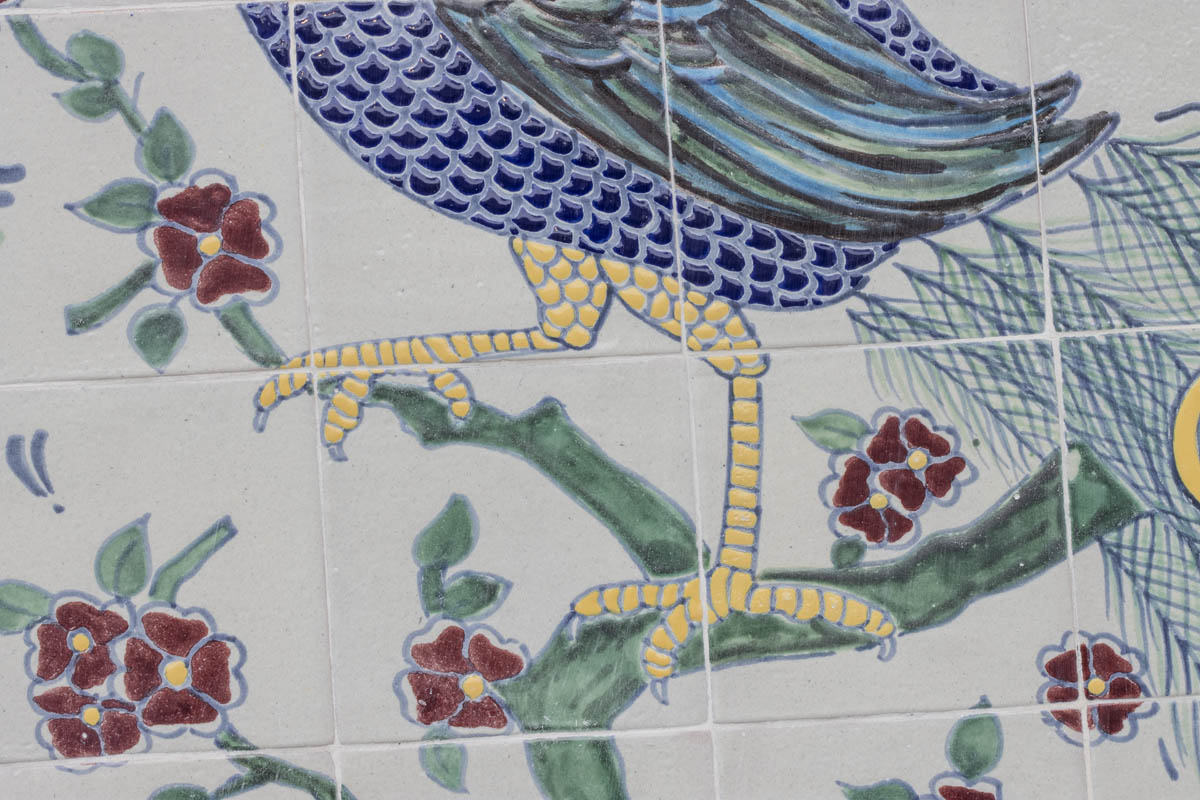
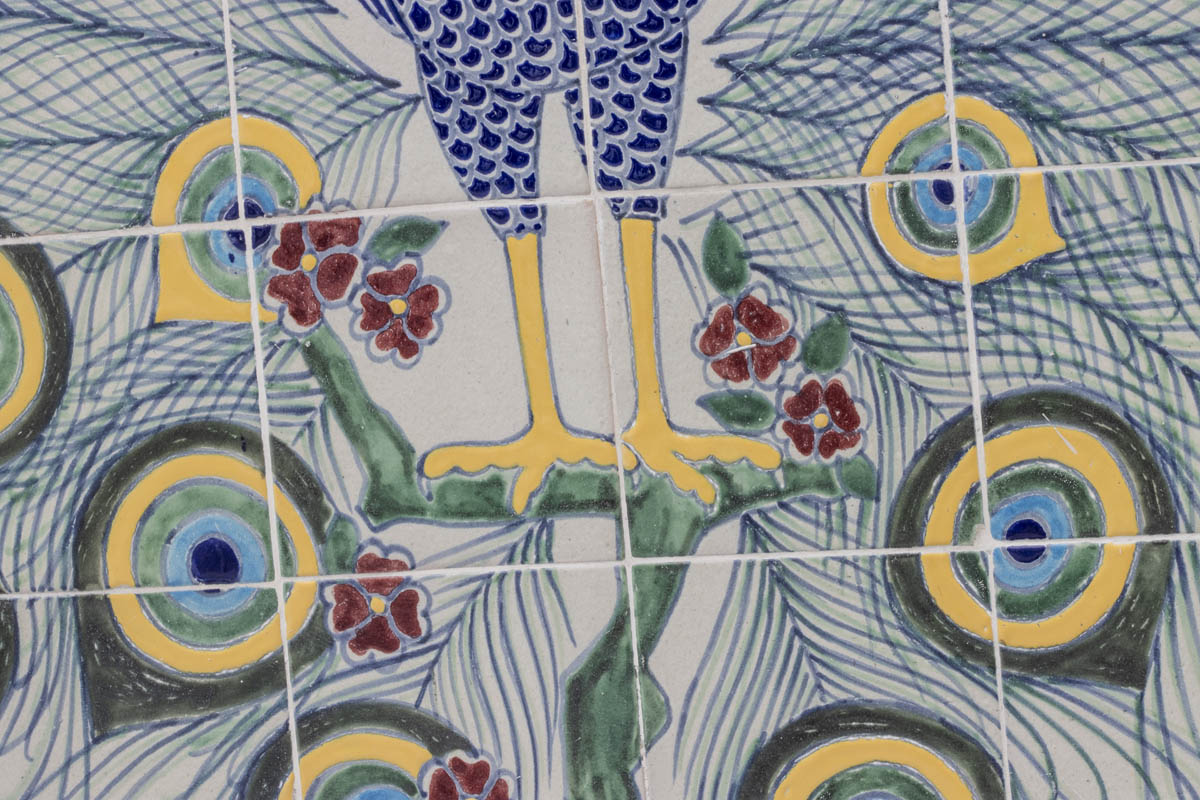
The influence of modernismo, or art nouveau, brought to Puebla by Ventosa appears in the decorative border that frames the mural, as well as in the organic, Eastern-inspired elements such as the cherry trees springing from tibores painted in the traditional cobalt blue of Talavera — tibores that now also carry European heraldic elements, such as the rampant lion and the eagle, fused with "chinesco" designs, motifs inspired by Chinese porcelain and reinterpreted in Talavera poblana. The symmetry, harmonized with the rhythm of the animal and plant motifs, converses with the blues characteristic of Talavera fina, as it has been known since the 18th century, making this mural the turning point in the integration of an artisanal process with the artistic intentions that made the work of Uriarte and Ventosa the finest example of the artistic renaissance of Talavera de Puebla.
Thanks to this far-reaching collaboration, Uriarte Talavera remained the most important workshop for innovation and artistic vanguard in Puebla. Today we are proud to share with the world that URIARTE TALAVERA has preserved, for more than two centuries, the artisanal process for making Talavera — a process proudly recognized by UNESCO as Intangible Cultural Heritage of Humanity since 2019.

Process

Enrique Vazquez Tejeda & Víctor 

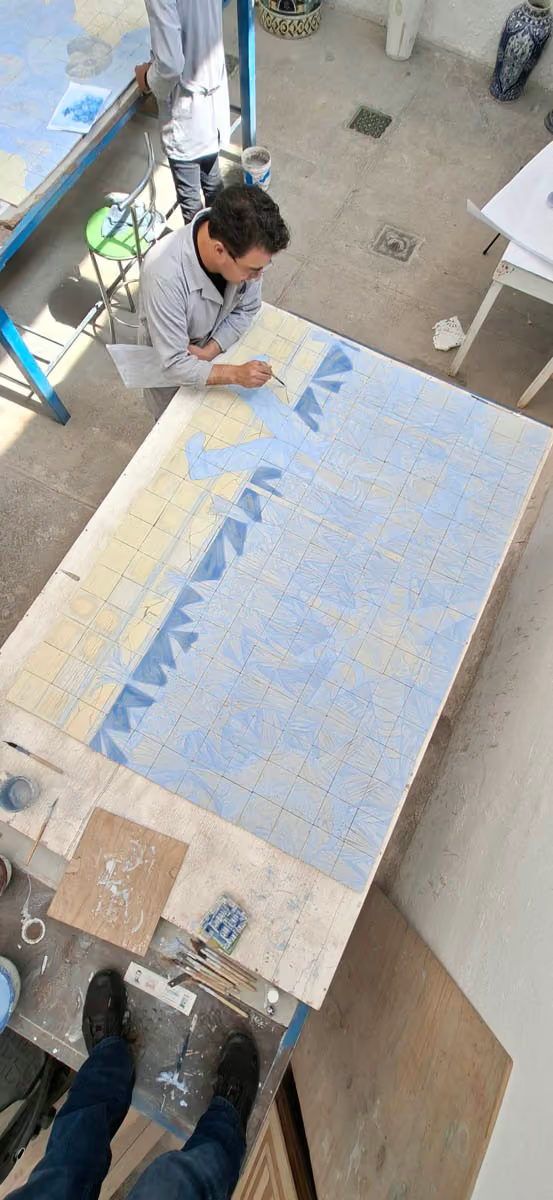
Our experience creating the mural:

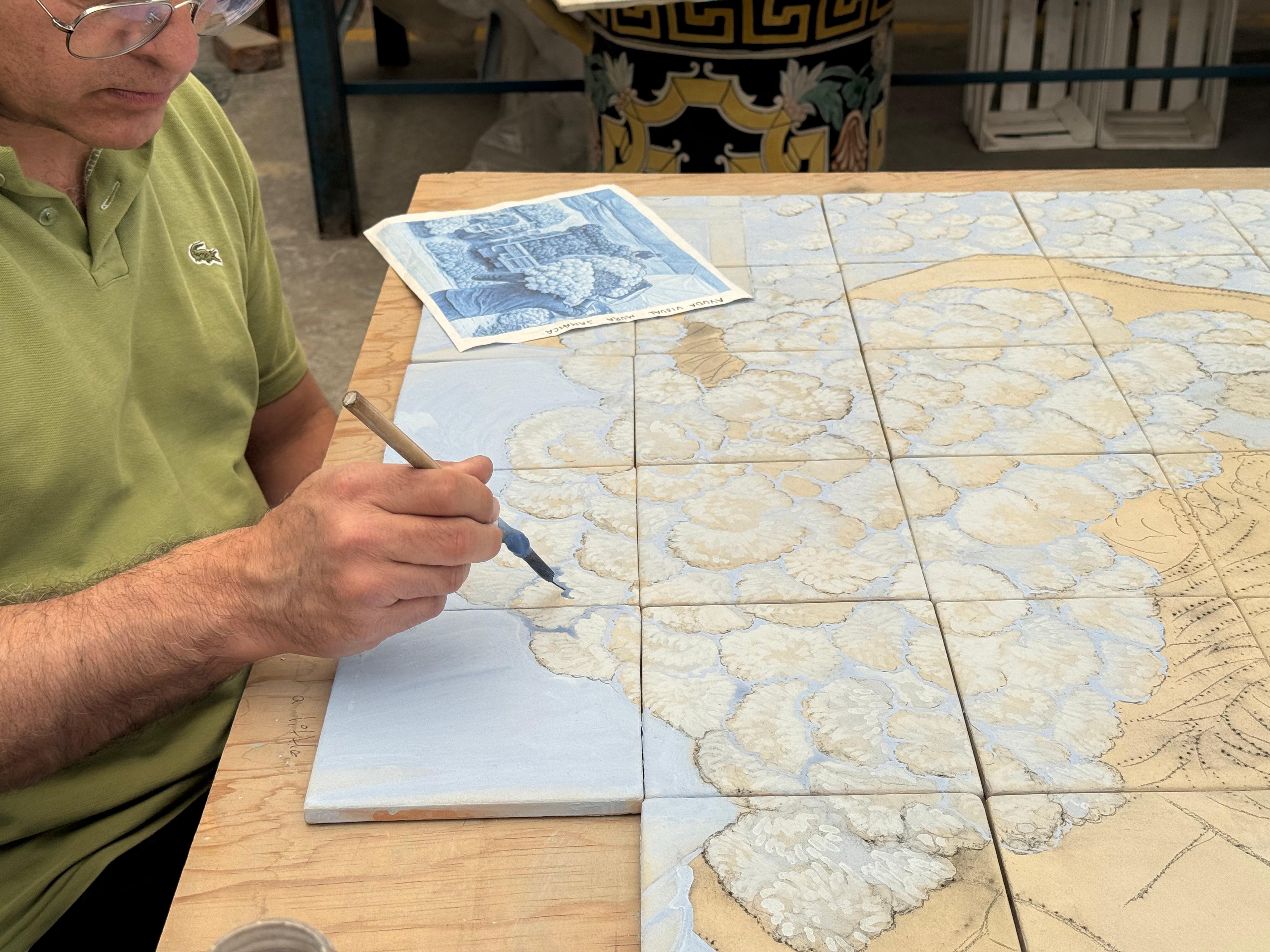
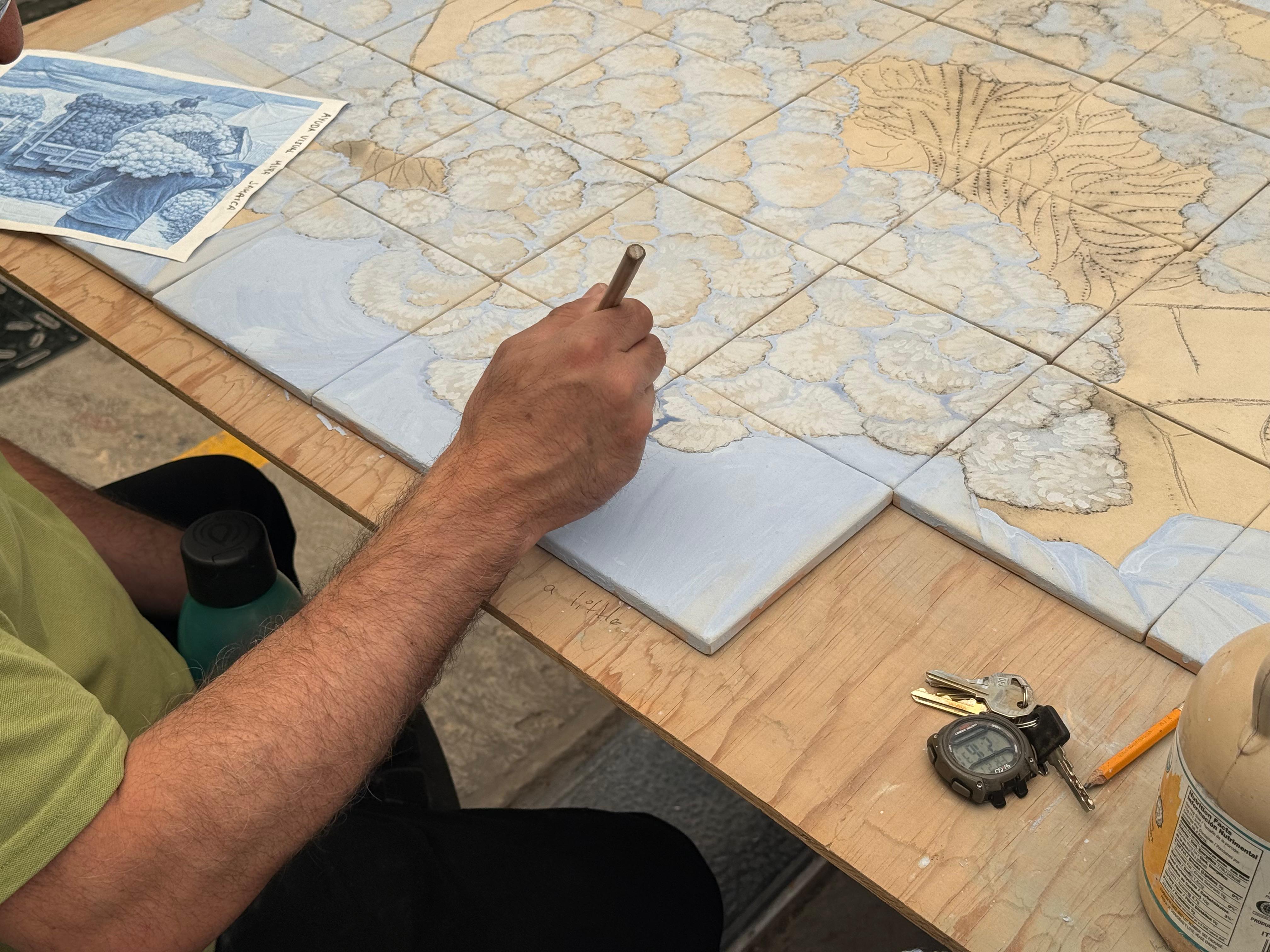
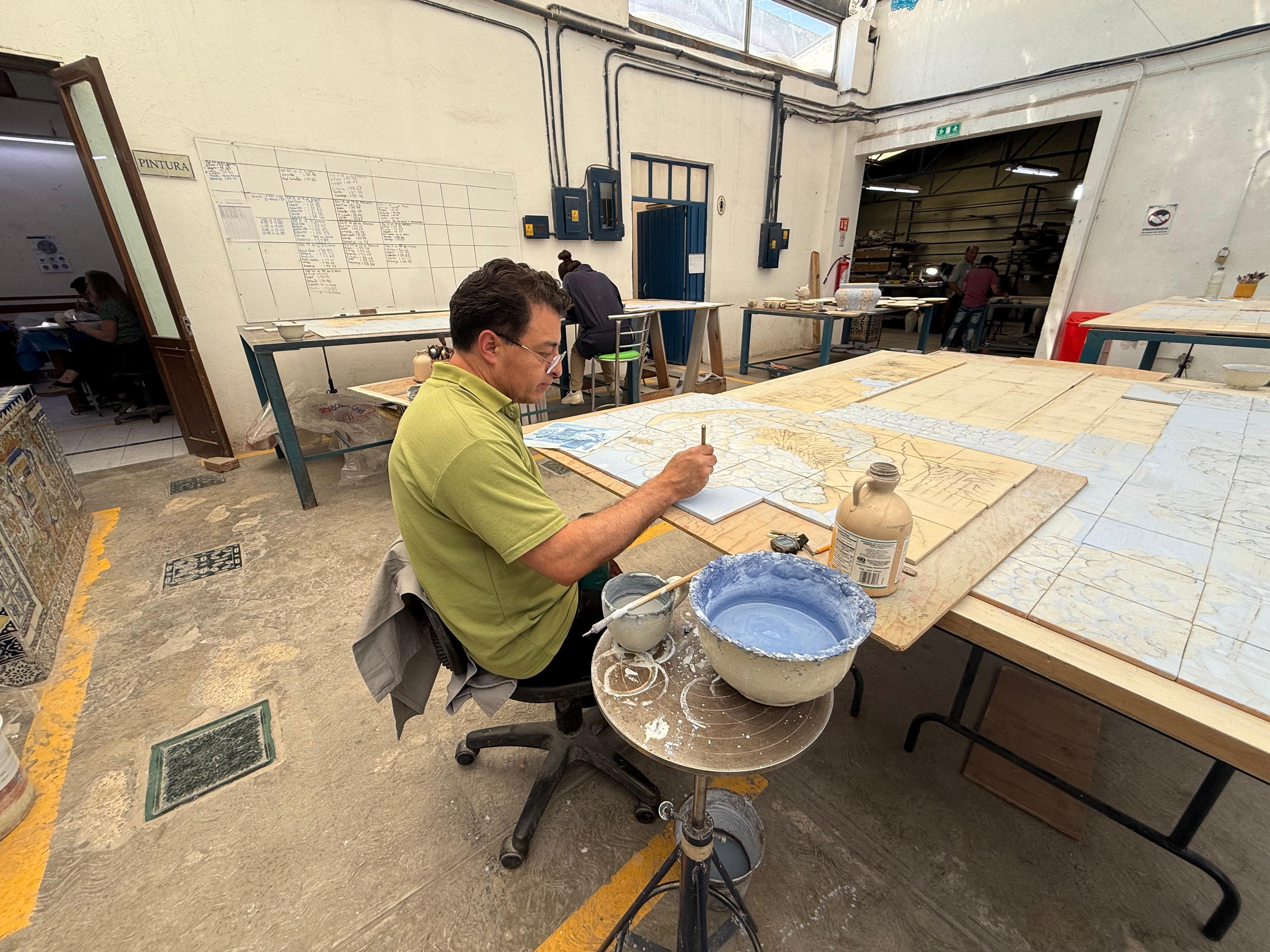
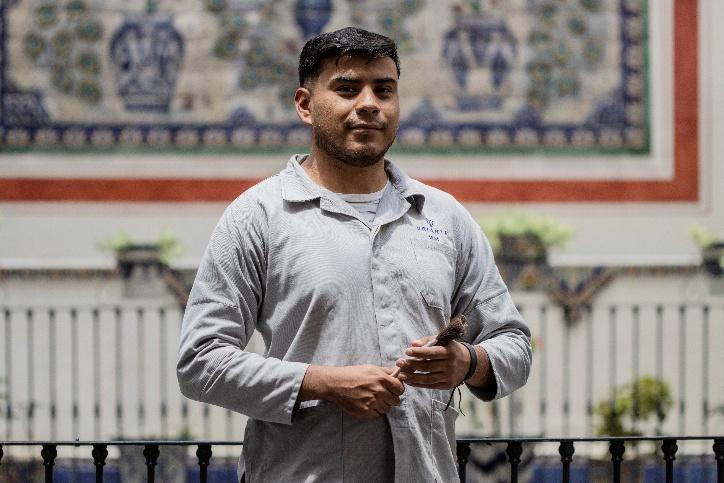
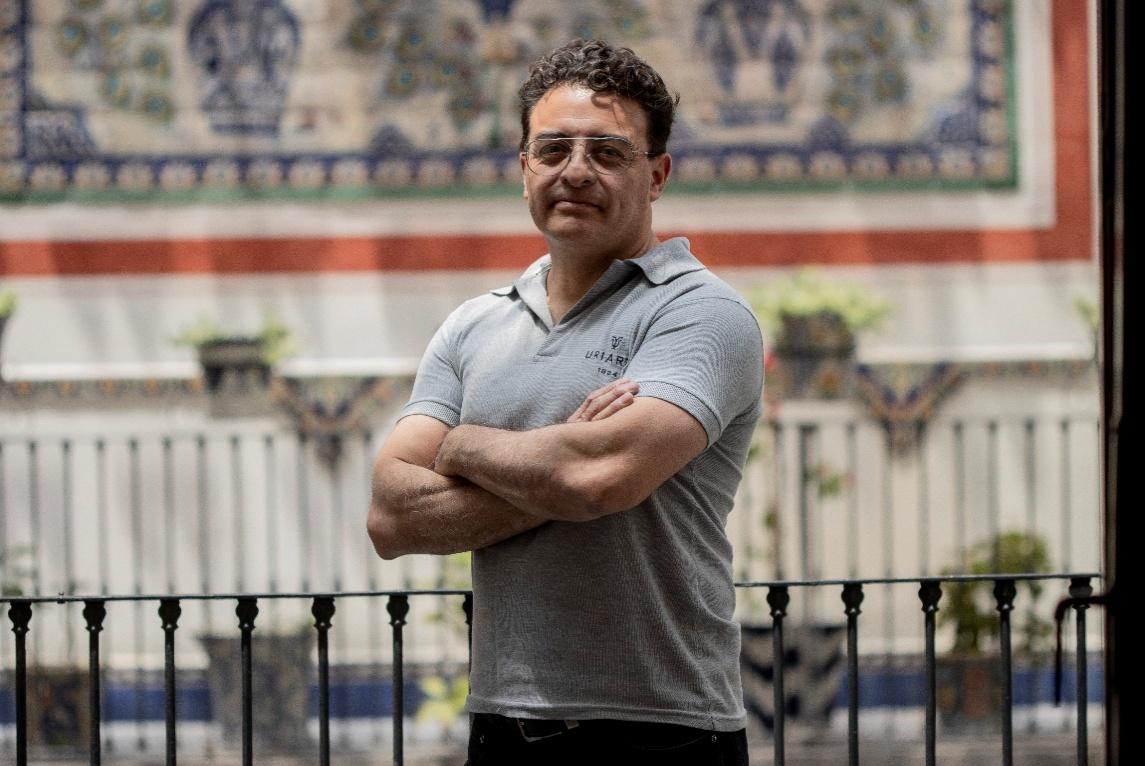
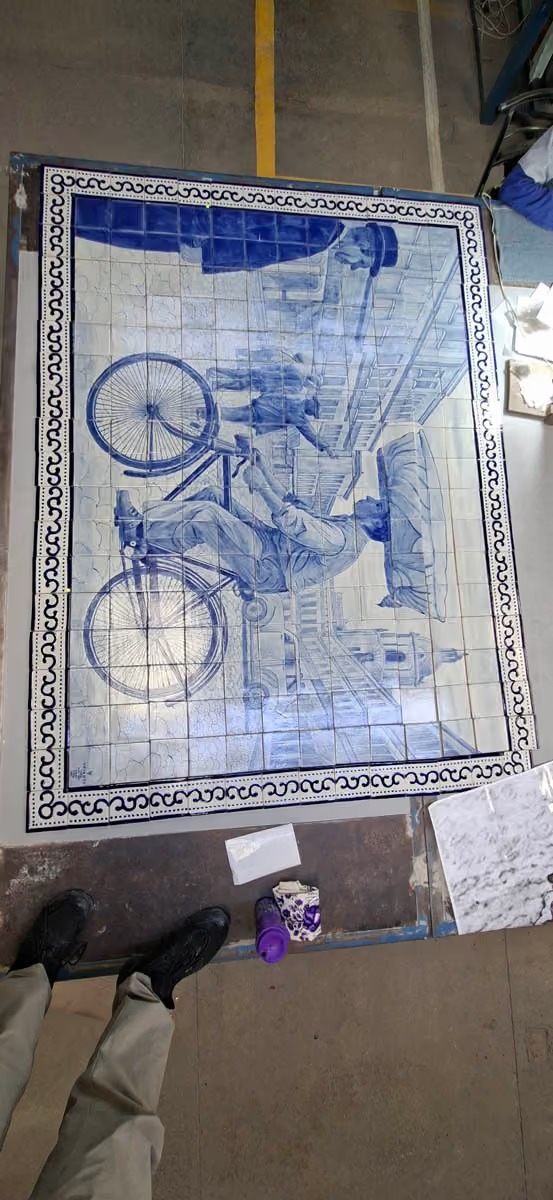
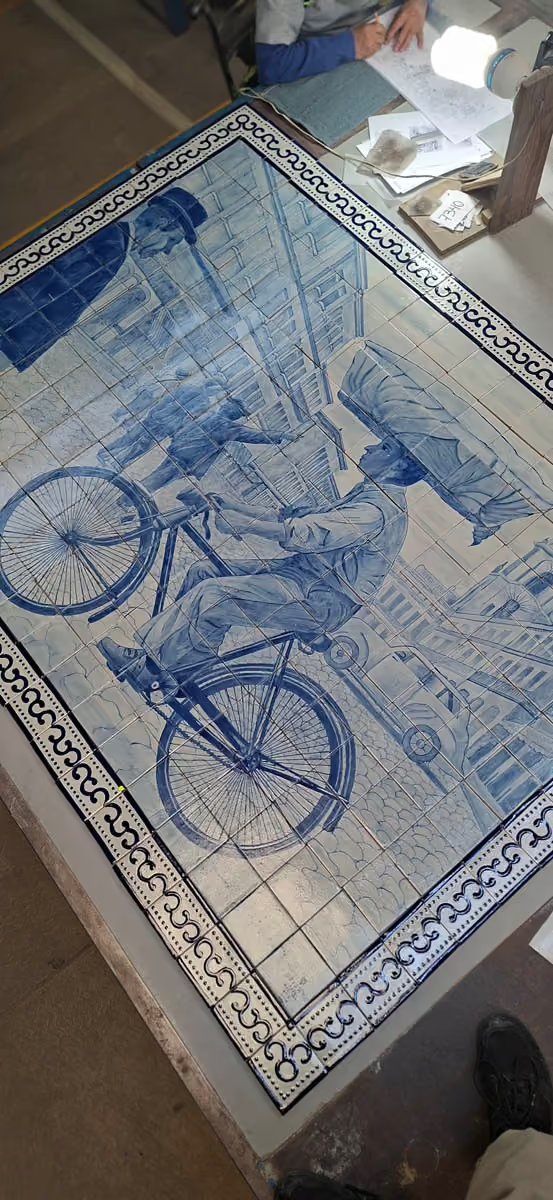
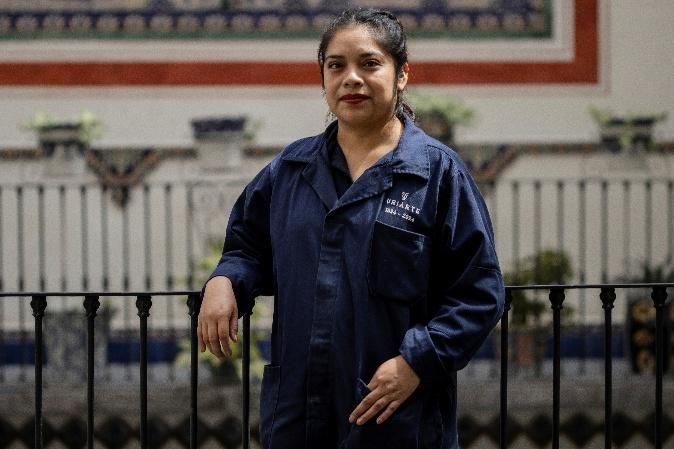
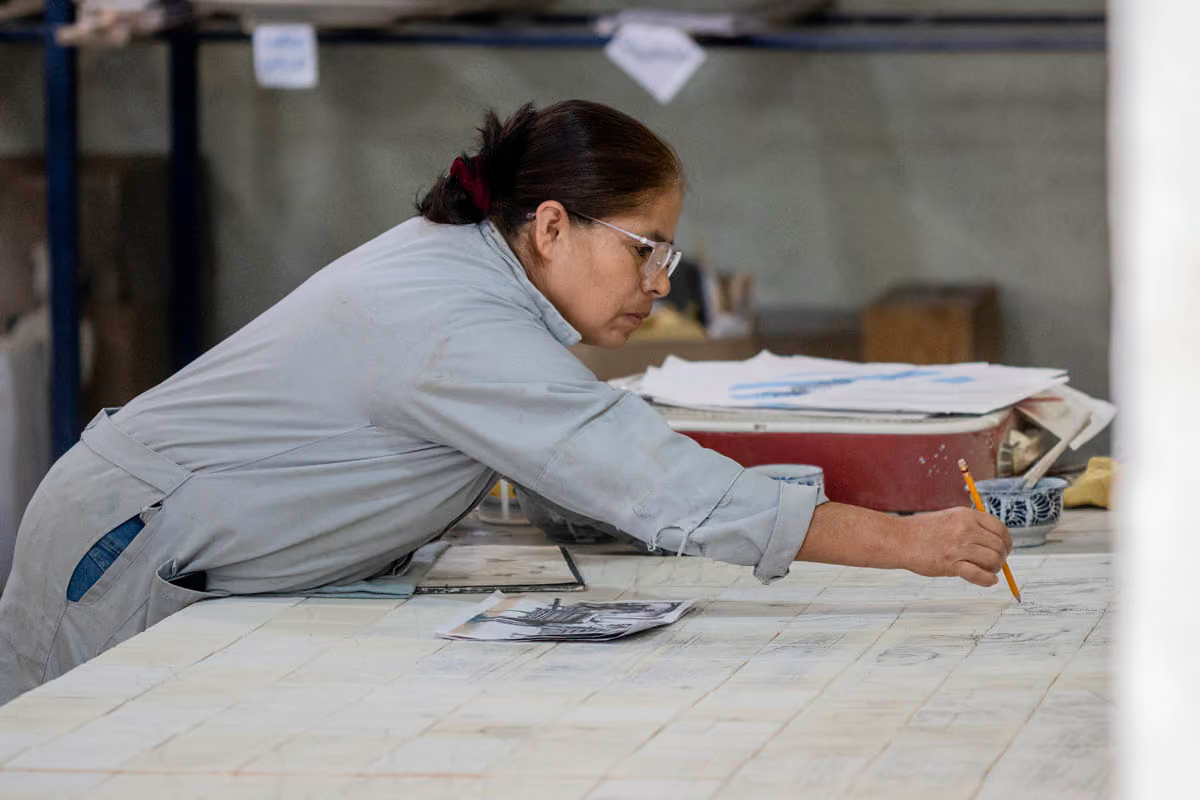
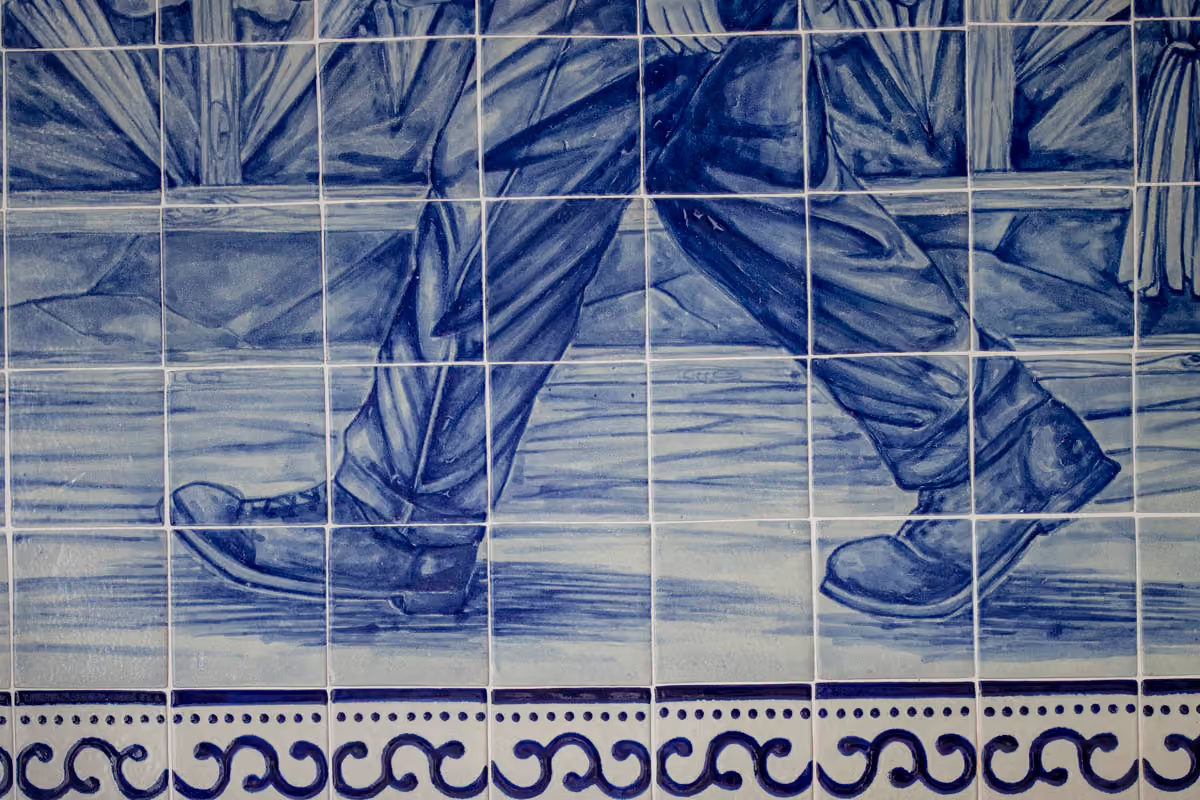
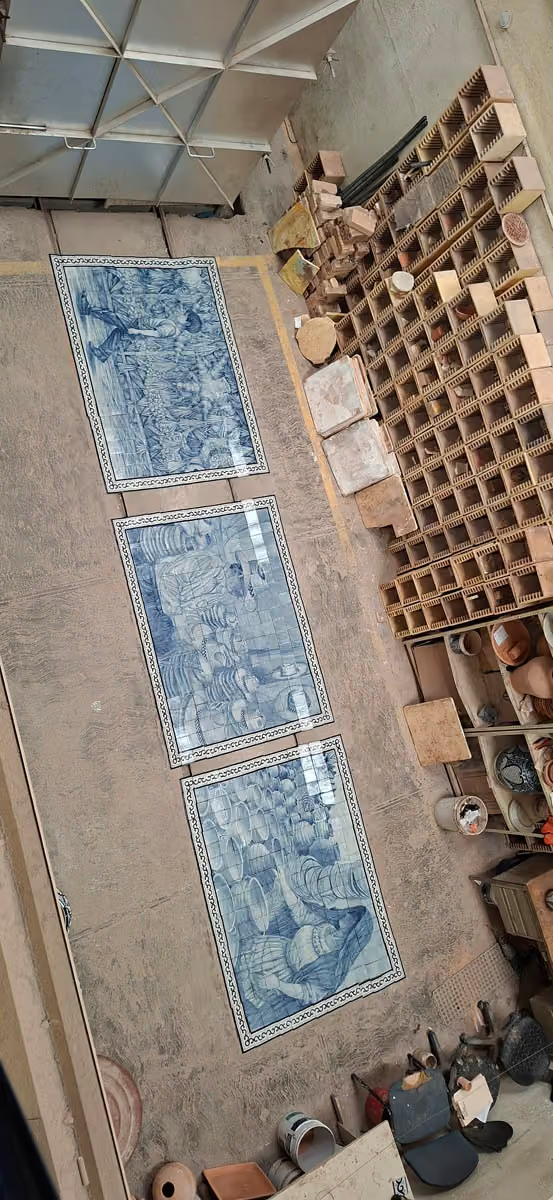
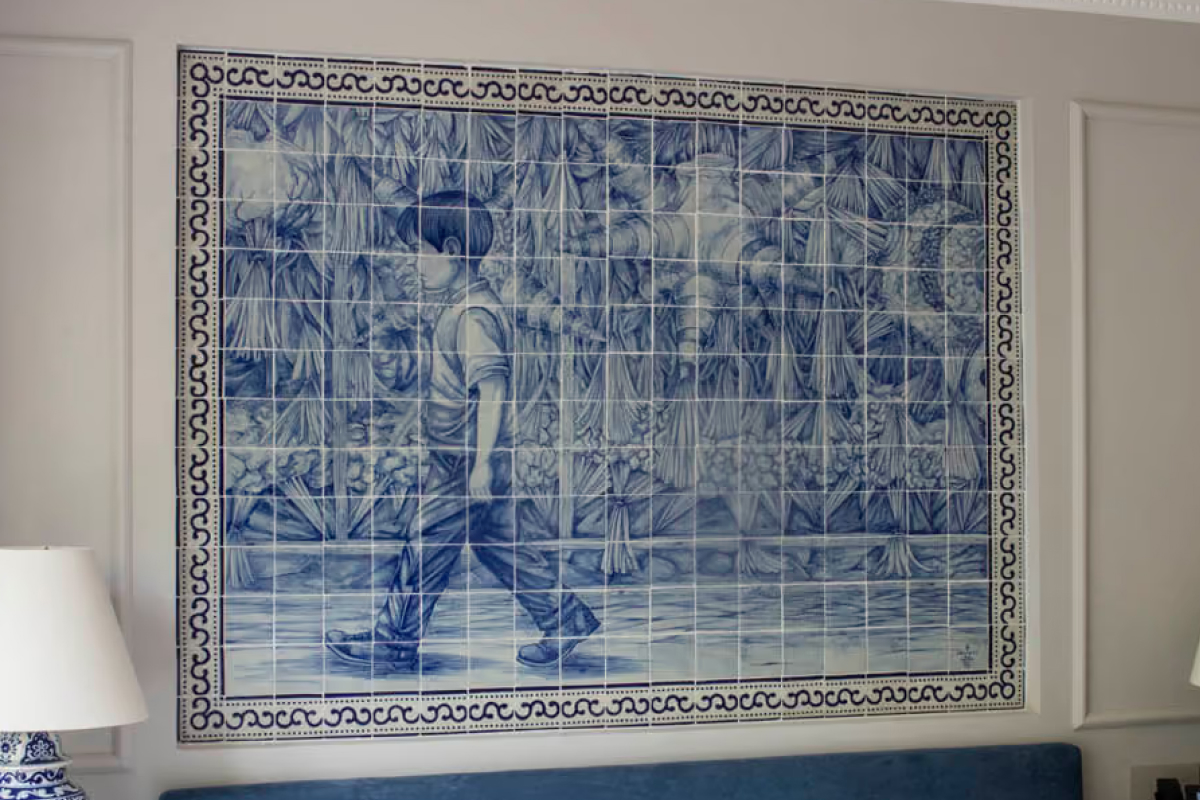
Enrique is one of the most experienced artisans when it comes to painting this particular mural; he has executed it more than 20 times for various projects around the world. This time, given the mural's larger dimensions compared to previous ones, he was assisted by Víctor. Víctor recently joined the Uriarte workshop, and despite having only one year of experience, it is clear that he has a natural gift for painting Talavera—it is in his blood.

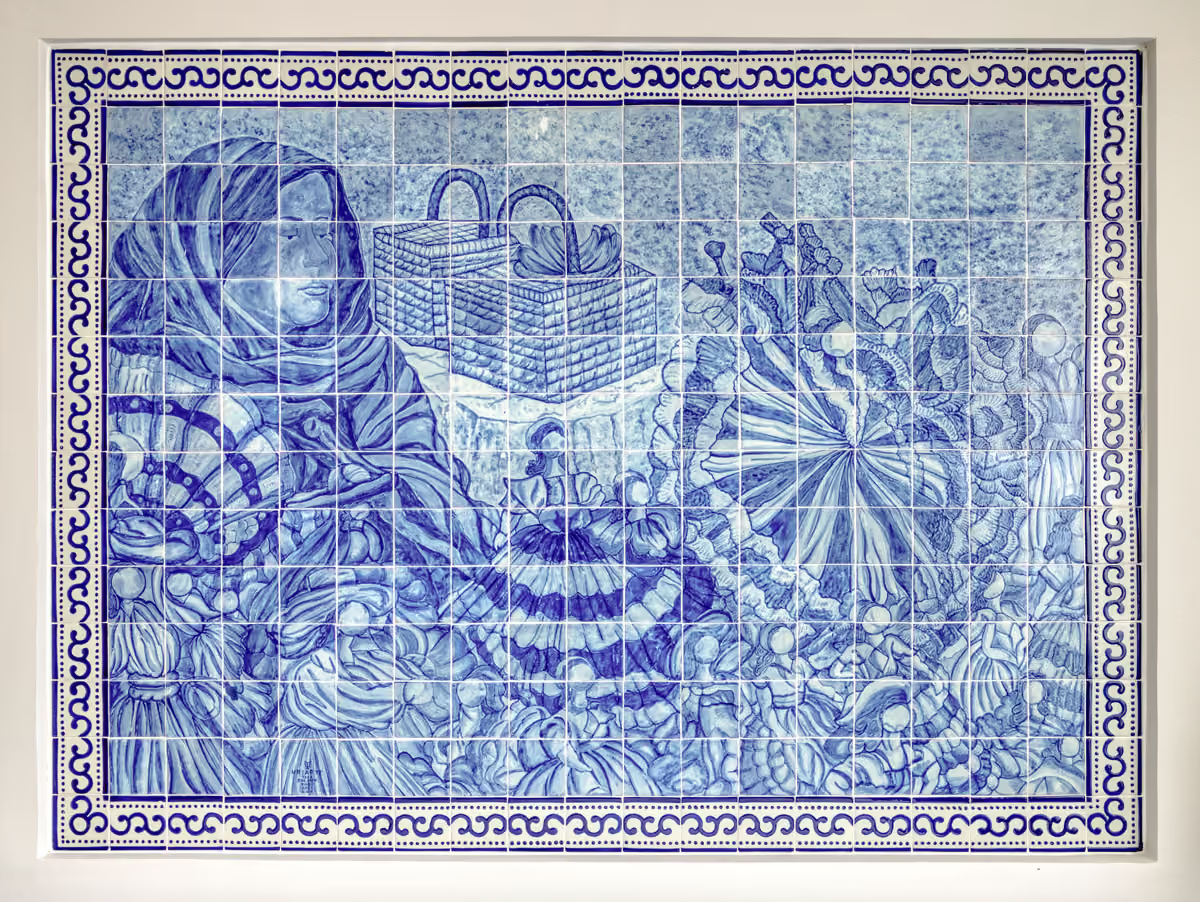
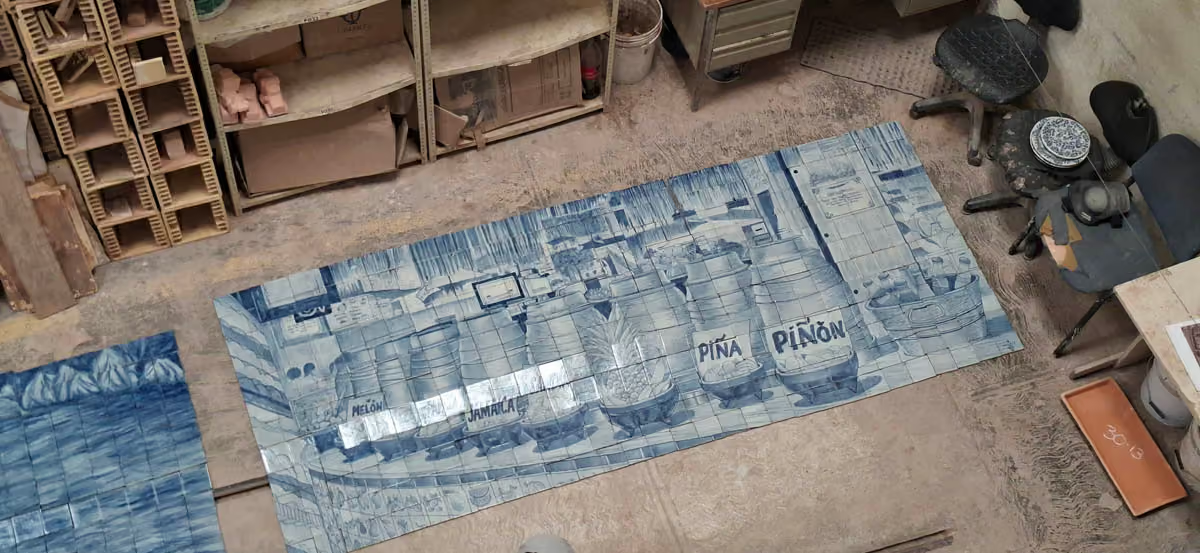
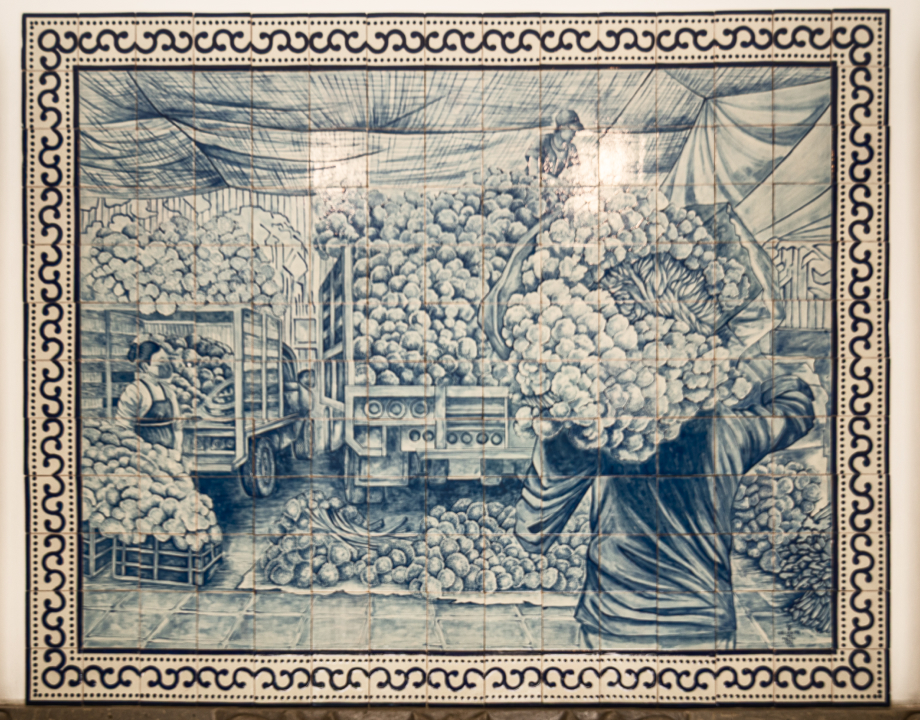
Mercado de flores

Artisan: Enrique Vázquez Tejeda

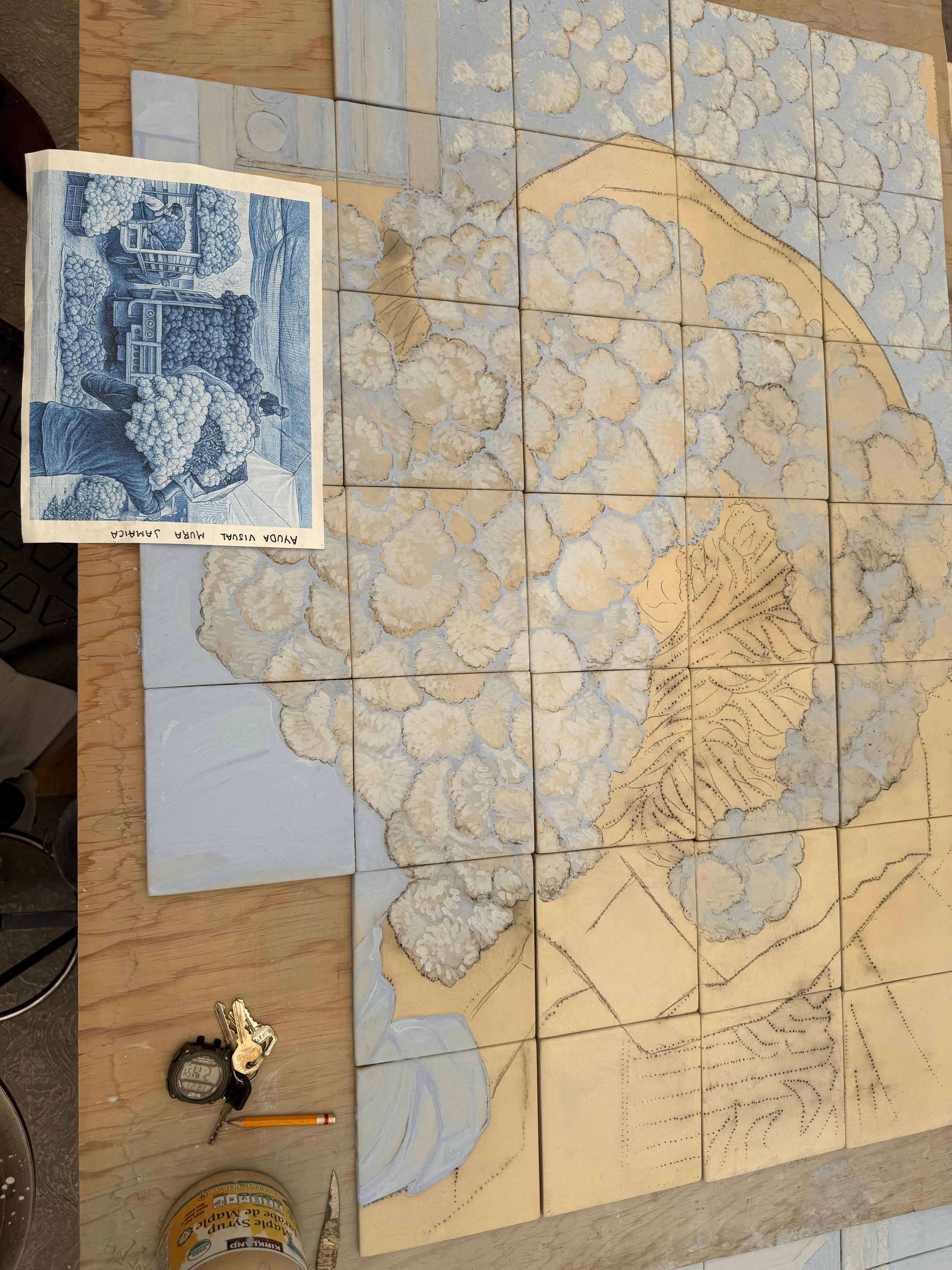
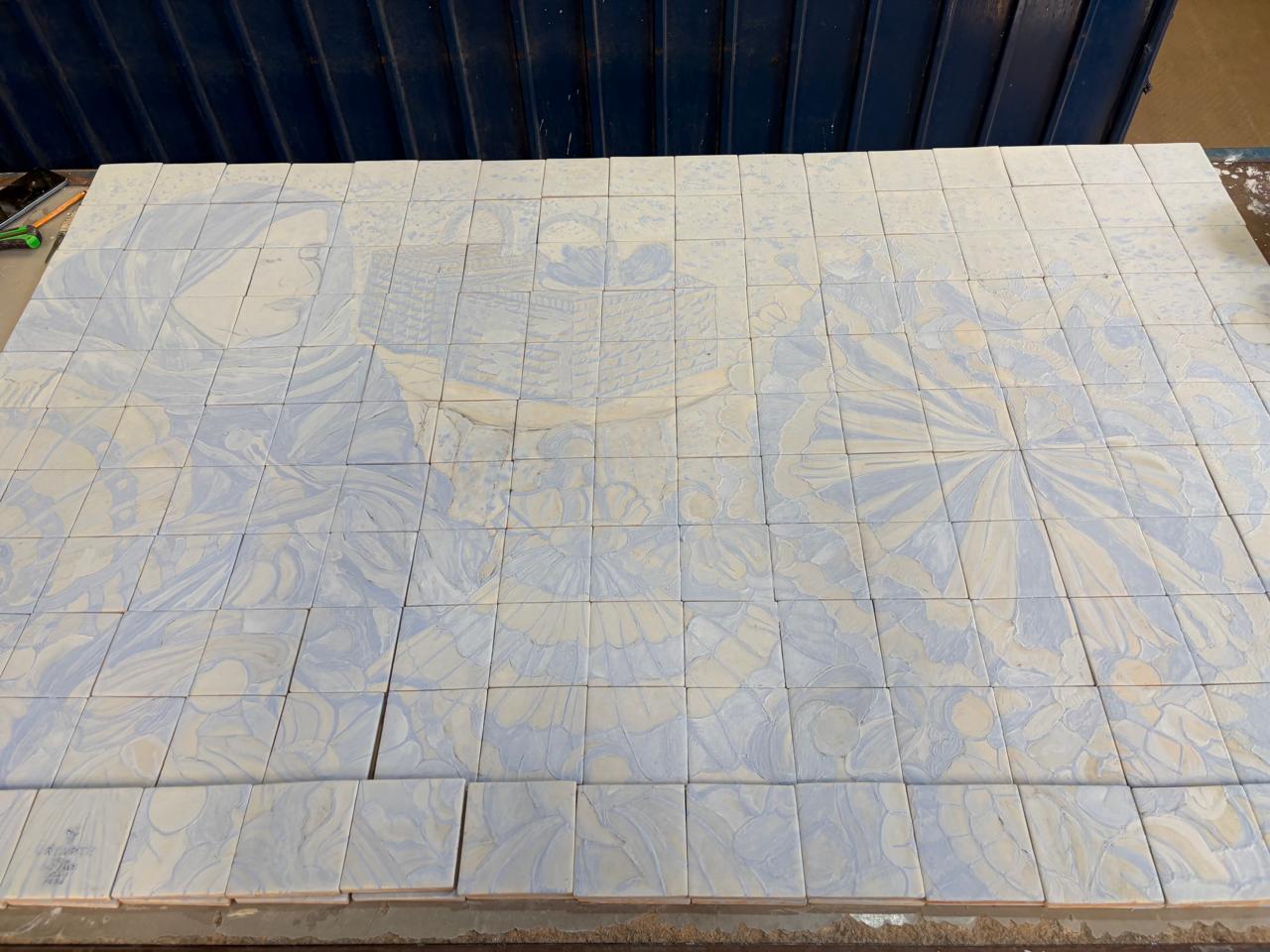
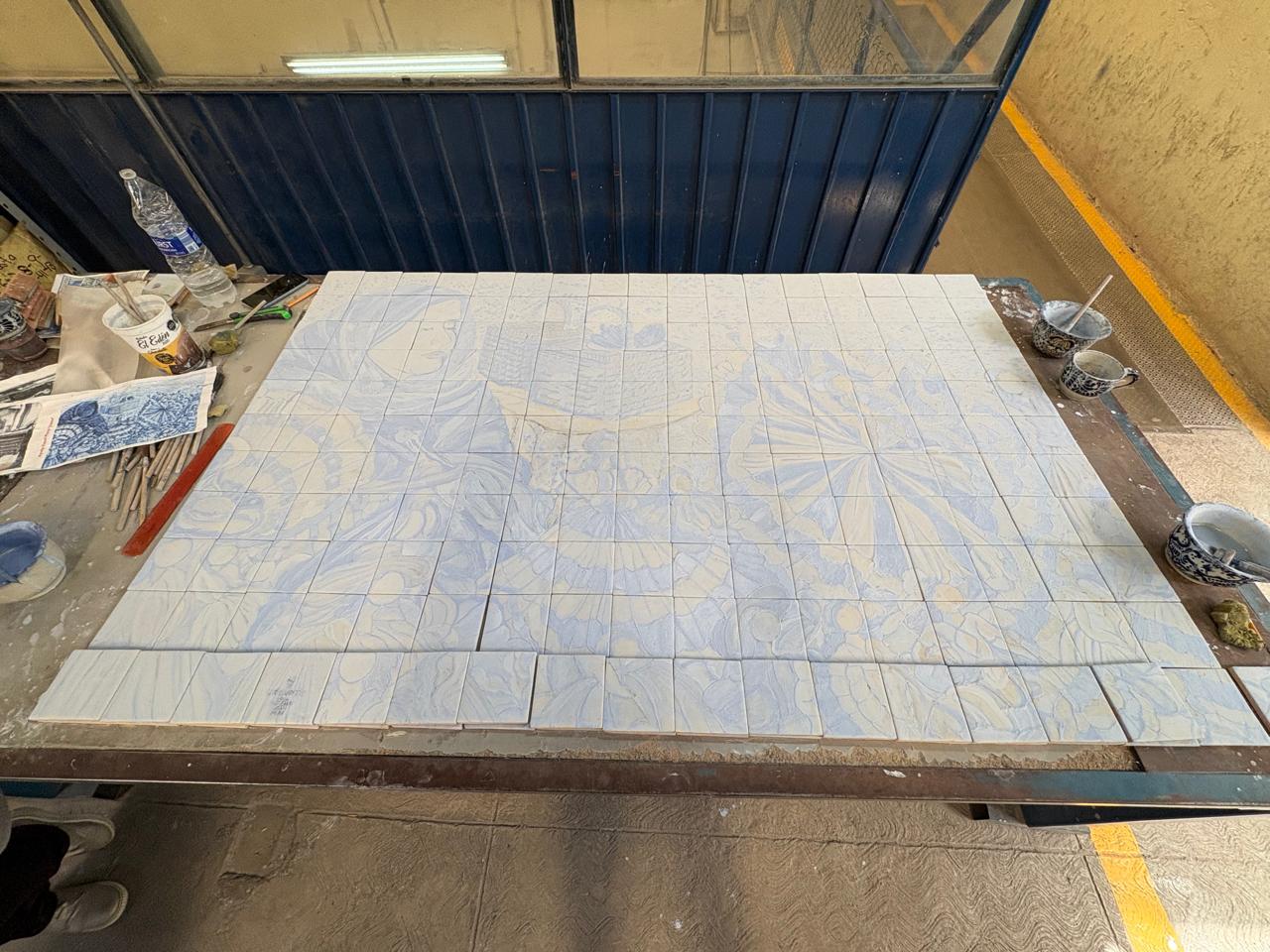
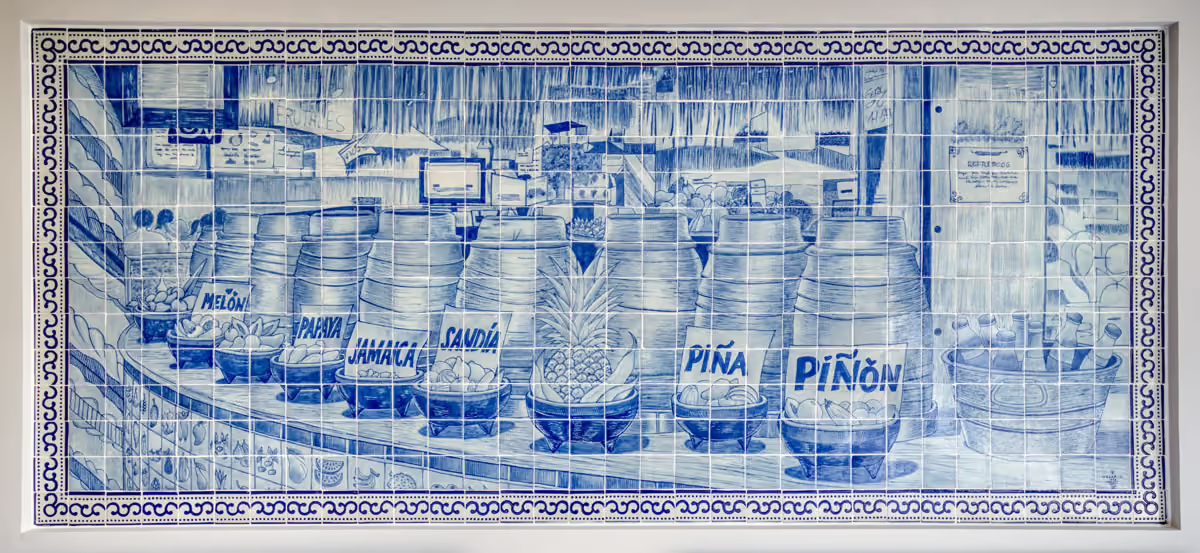
This mural pays tribute to the emblematic Mercado de Jamaica, one of the most representative spaces in Mexico City for its cultural, historical, and commercial richness. The capital's flower-growing tradition has its roots in prehispanic times, when flowers were used in ceremonies, as offerings, and as a symbol of identity. Over time this heritage took hold until flower markets became places full of life, color, and tradition. Opened in 1957 as part of the country's modernization, the Mercado de Jamaica has established itself as the city's main distribution center for flowers and plants. Inside, it houses around 1,150 stalls selling close to 5,000 varieties of flowers and plants. It also offers a wide range of other goods, such as crafts, fruit, vegetables, poultry, and the traditional piñatas, reflecting the cultural and commercial richness of Mexico.
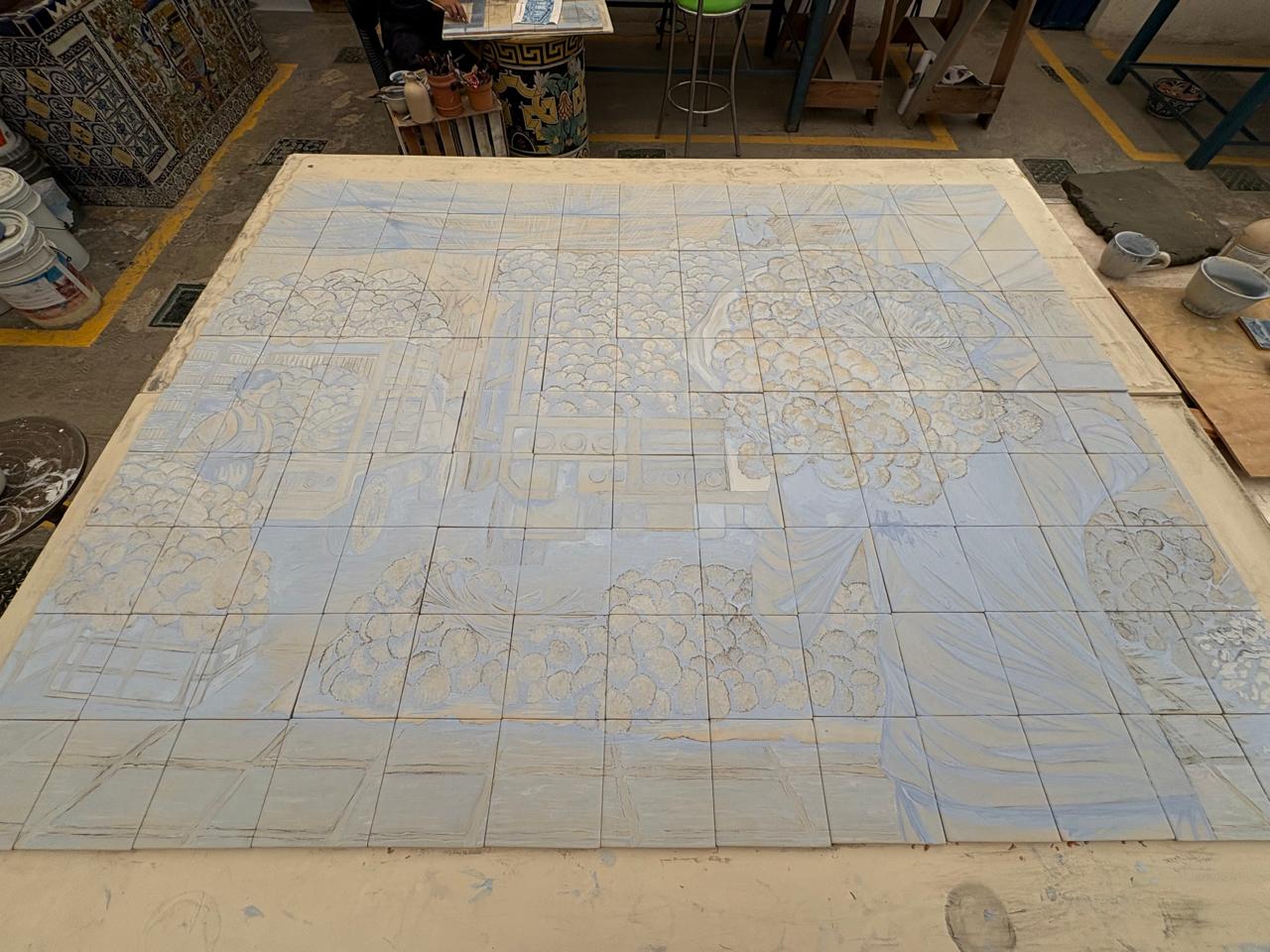
Process

Edgar Armas Morales

“Línea por línea azulejo por azulejo, donde el pincel teje la grandeza de este oficio”
‍
I have been painting talavera for 4 years. The hardest part of this project was the textures and the play of tones; what I liked most were the textures and the relief of each piece.

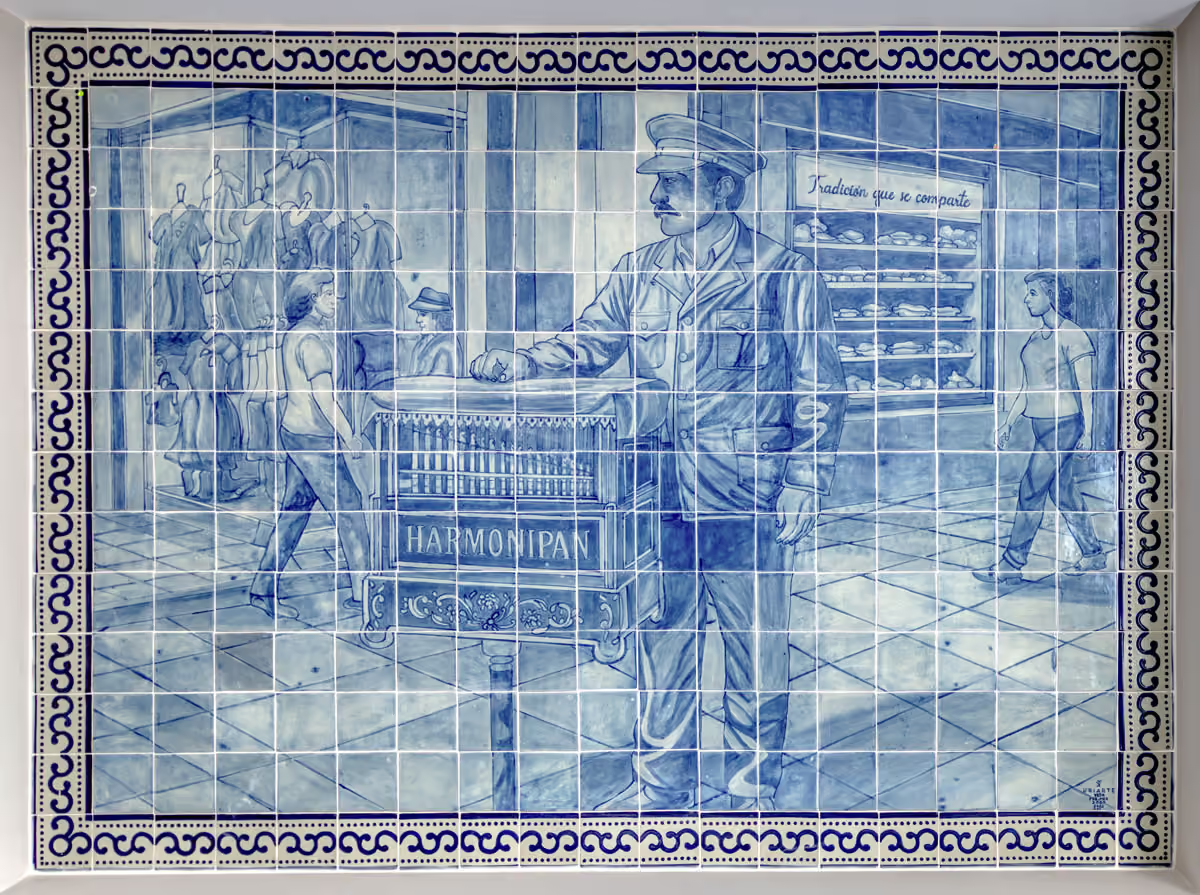
El Organillero

Artisan: Jovita Martínez González

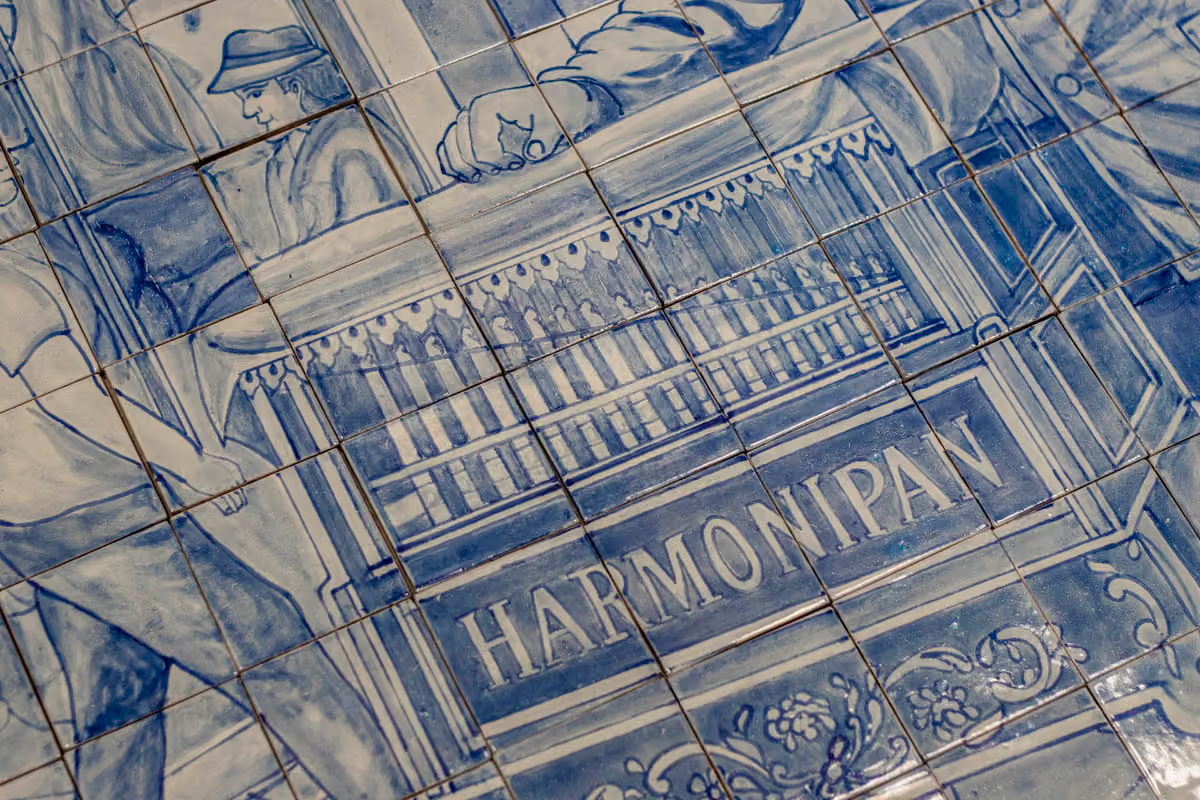
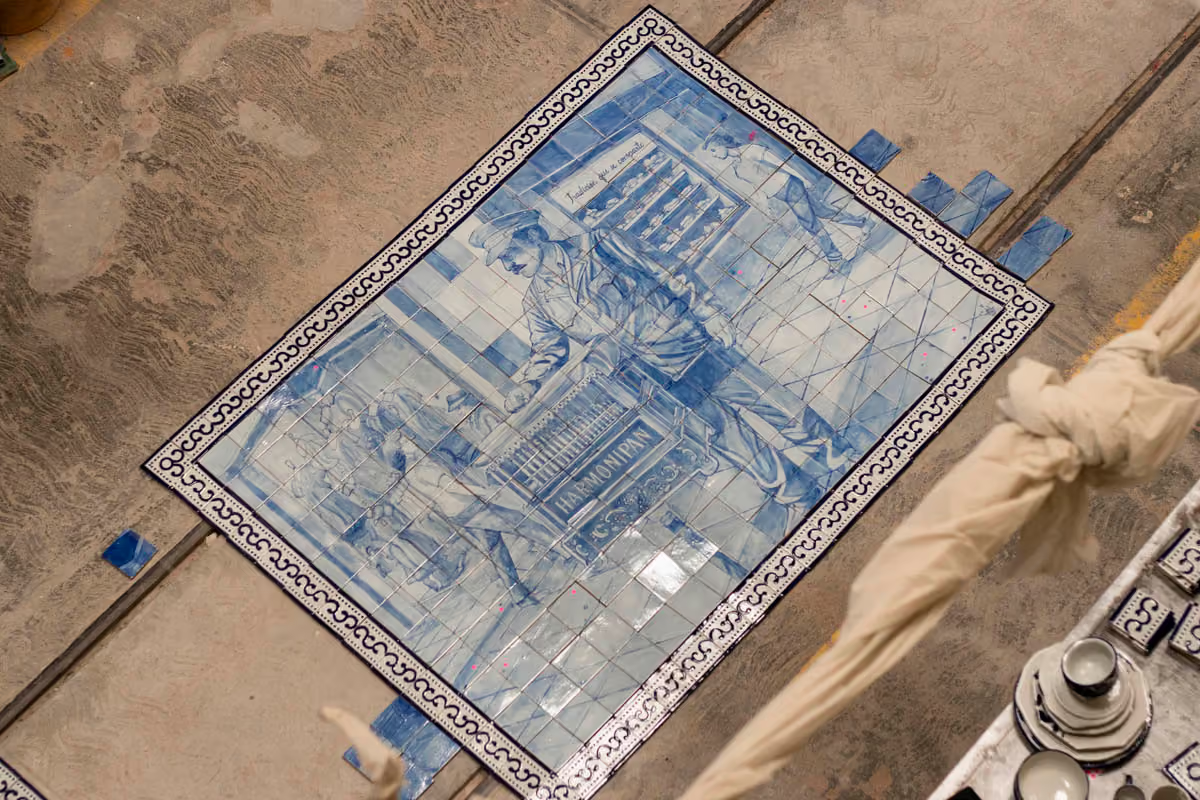
Although many people believe the organillo is a Mexican instrument, it is in fact of German origin. It arrived in Mexico at the end of the 19th century and quickly became part of the soundscape of plazas and streets. The instrument — a wooden box with a crank and metal mechanisms — was introduced by German migrants, among them the owners of the Wagner y Levien firm, who rented them out as a way of making a living.

During the Porfiriato its use spread as both a livelihood and a form of entertainment, whether at fairs, circuses, or serenades. Organilleros walked the streets carrying these heavy instruments, which could weigh as much as 60 kilos, in search of a few coins.
Despite historical upheavals such as the Mexican Revolution, the tradition managed to stay alive. In that period the repertoire changed, taking in popular Mexican songs such as "La Adelita" and "La Cucaracha." It is even said that some organilleros accompanied the troops, which would explain the resemblance between their uniforms and those of the revolutionary army.

Although they stopped being manufactured in Germany after the Second World War, in Mexico the trade has endured, passed down from generation to generation as a living symbol of tradition and cultural memory.

Process

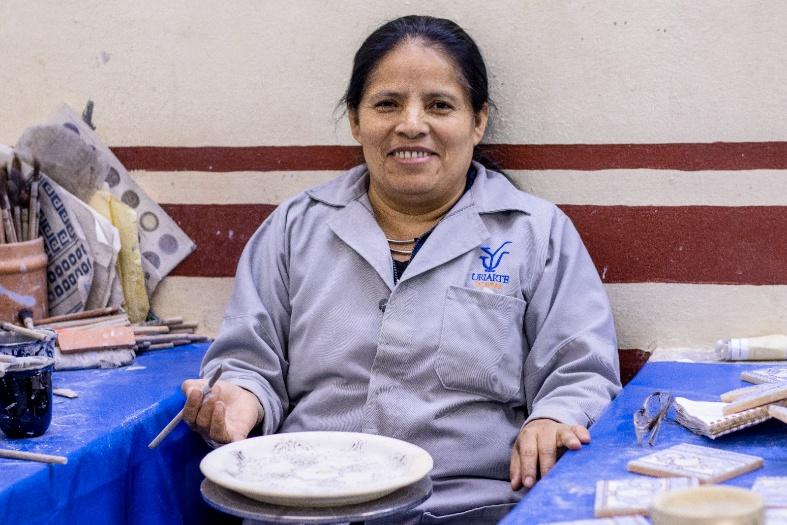
Jovita Martínez González

“En la pintura se refleja el estado de ánimo y para mí es amor a mi trabajo, arte y confianza en uno mismo”
‍
I have been painting talavera for 30 years. The hardest part of this project was painting the muñecas de palma; what I liked most were the tones that were used and the way the colors came together.

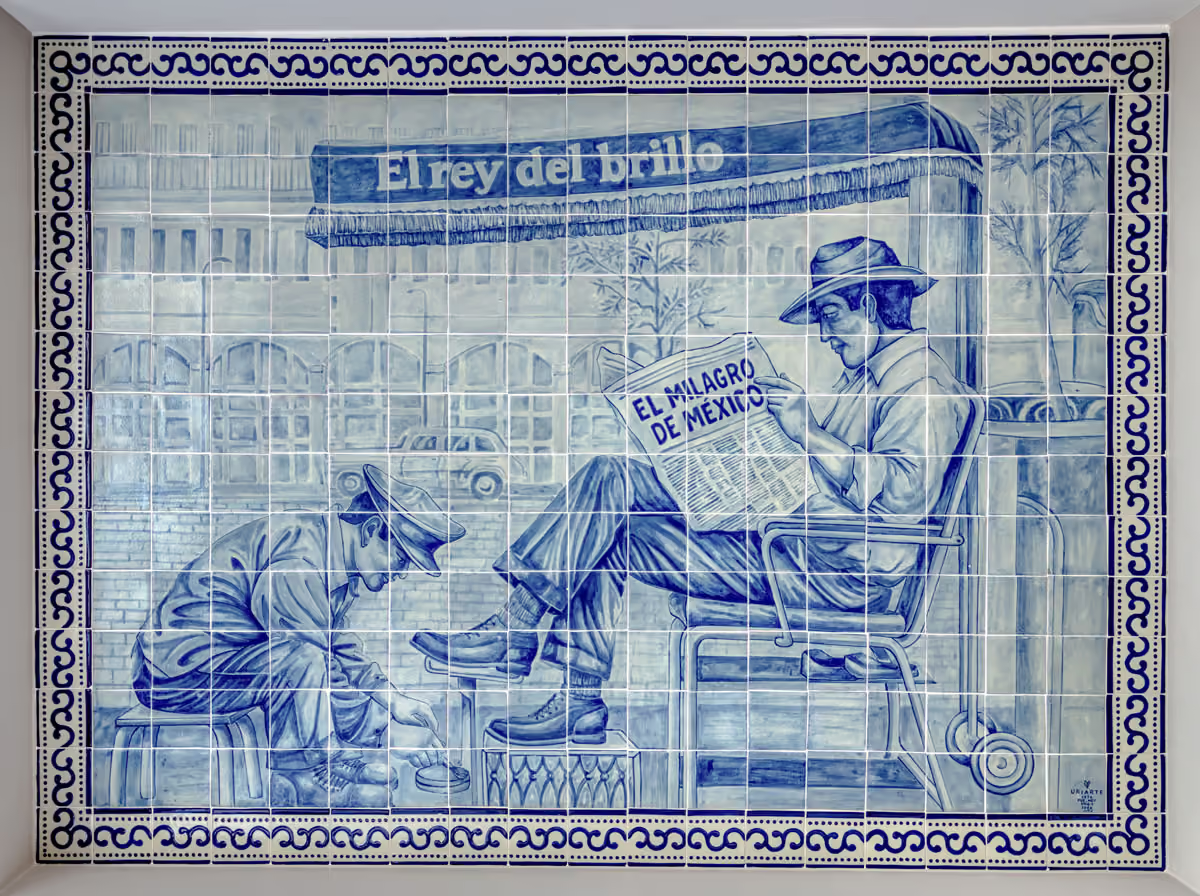
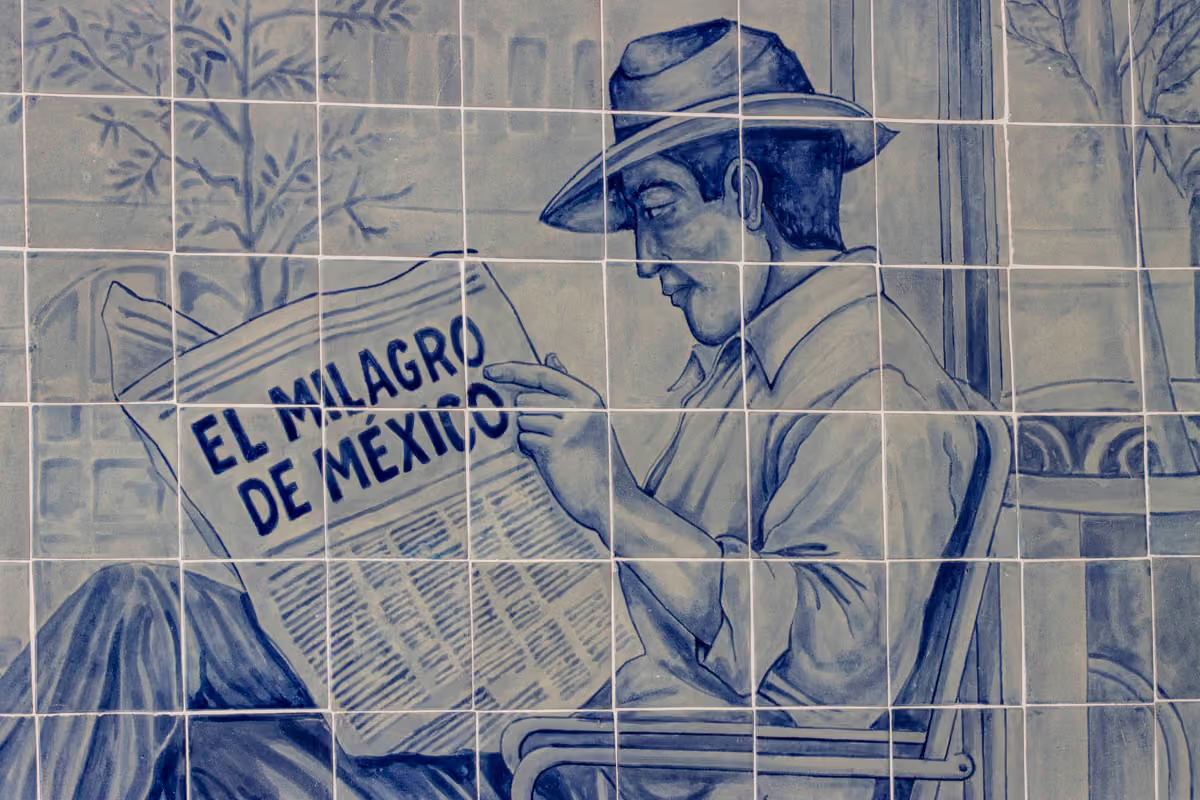
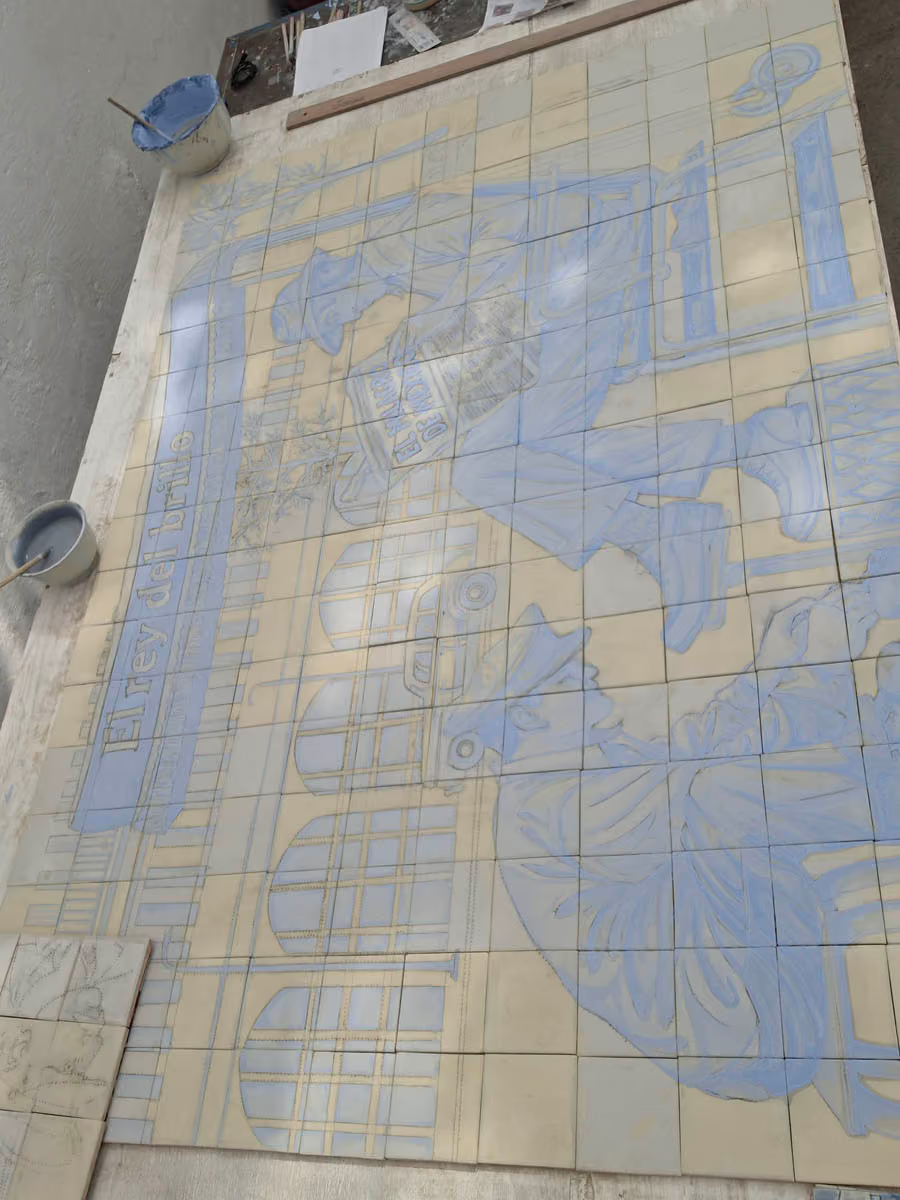
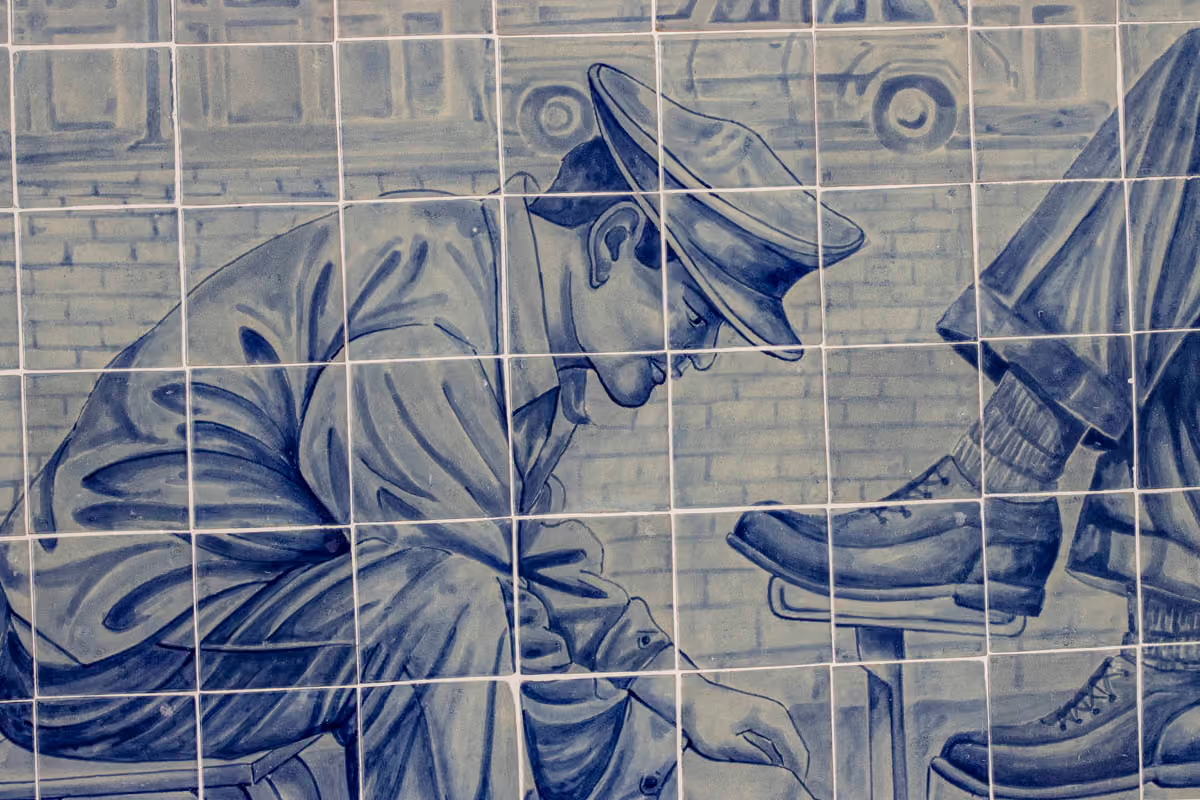
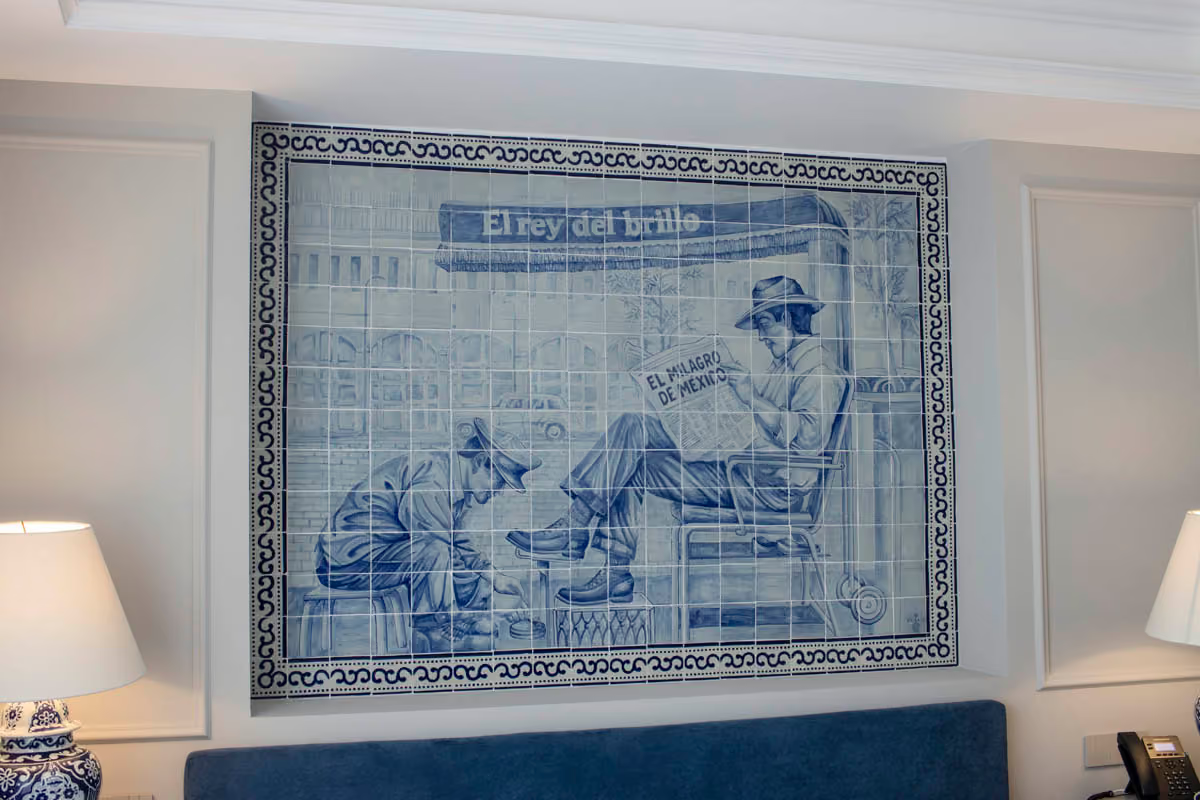
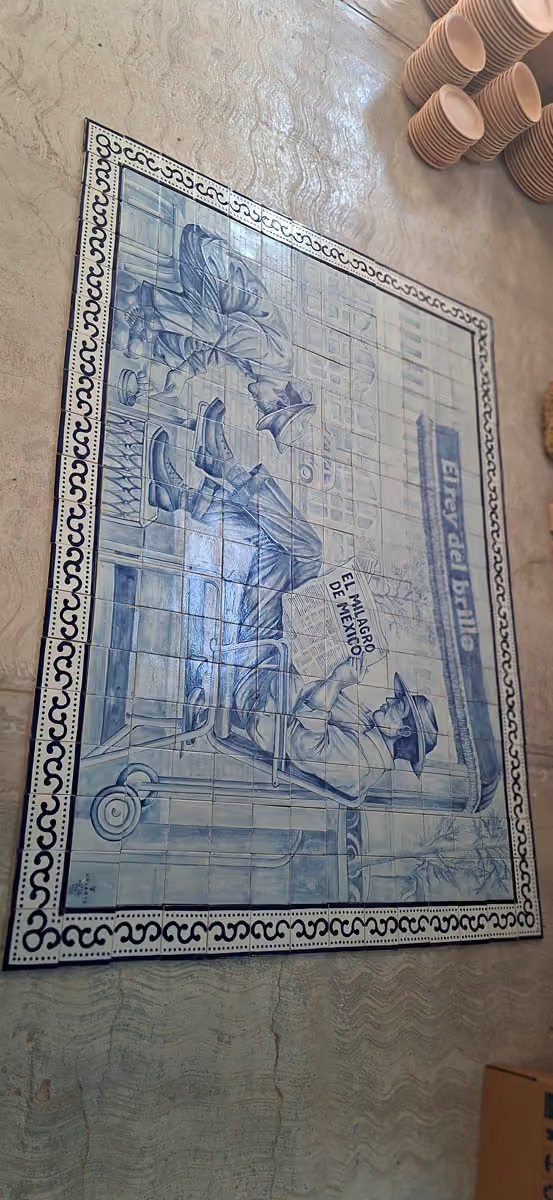
El rey del brillo - Boleador de zapatos

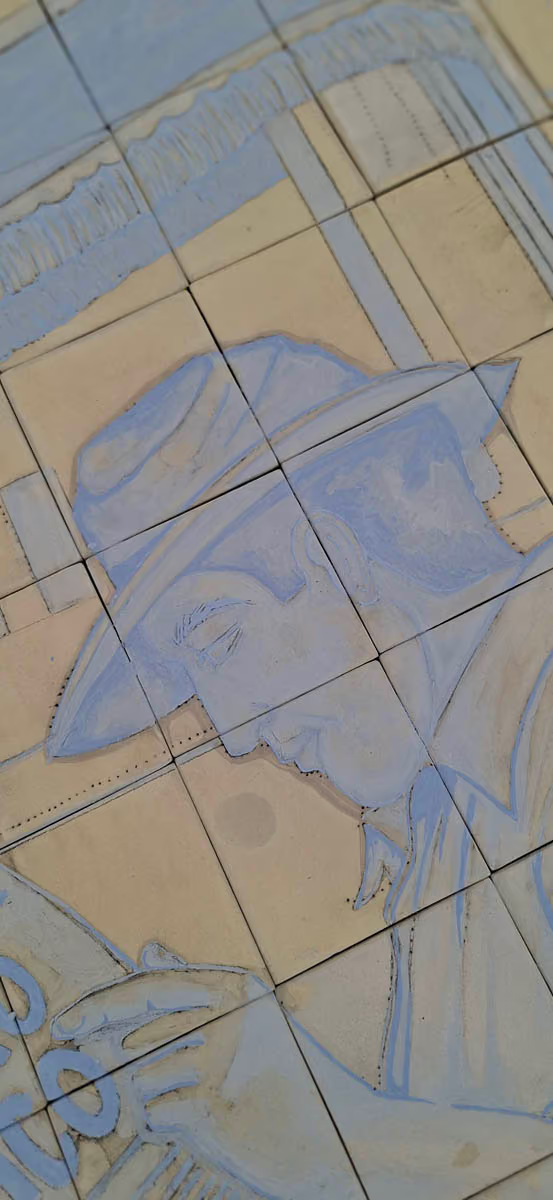
Enrique Vázquez Tejeda

Boleadores de zapatos are part of the history and urban culture of Mexico City, keeping alive a traditional trade that has withstood the passage of time. Despite the changes in society, these workers are still present on streets and avenues, offering a service that combines skill, dedication, and artisanal knowledge.

The bolero's stand is easily recognizable by its rectangular structure with a canvas roof, upholstered seat, and metal footrests. There the customer sits while the boleador cleans and restores the shine of the footwear through a careful process of brushing, waxing, applying special products, and a final polish with chamois. His tools — brushes, cloths, waxes, and polishes — are kept neatly organized beneath the footrest.
More than a simple cleaning service, the bolero's work is considered an art that demands precision and experience. Today they still have clients who value the importance of a good appearance, among them business people, government officials, and professionals for whom well-kept shoes are part of their personal image.

Boleros represent a tradition that honors elegance, hard work, and the preservation of Mexican trades

Process

Enrique Vázquez Tejeda

 “Para mí esto es increíble“
‍
I have been painting talavera for 31 years. The hardest part of this project was handling and caring for the details of light and shadow, and what I liked most is that the designs step outside the traditional.

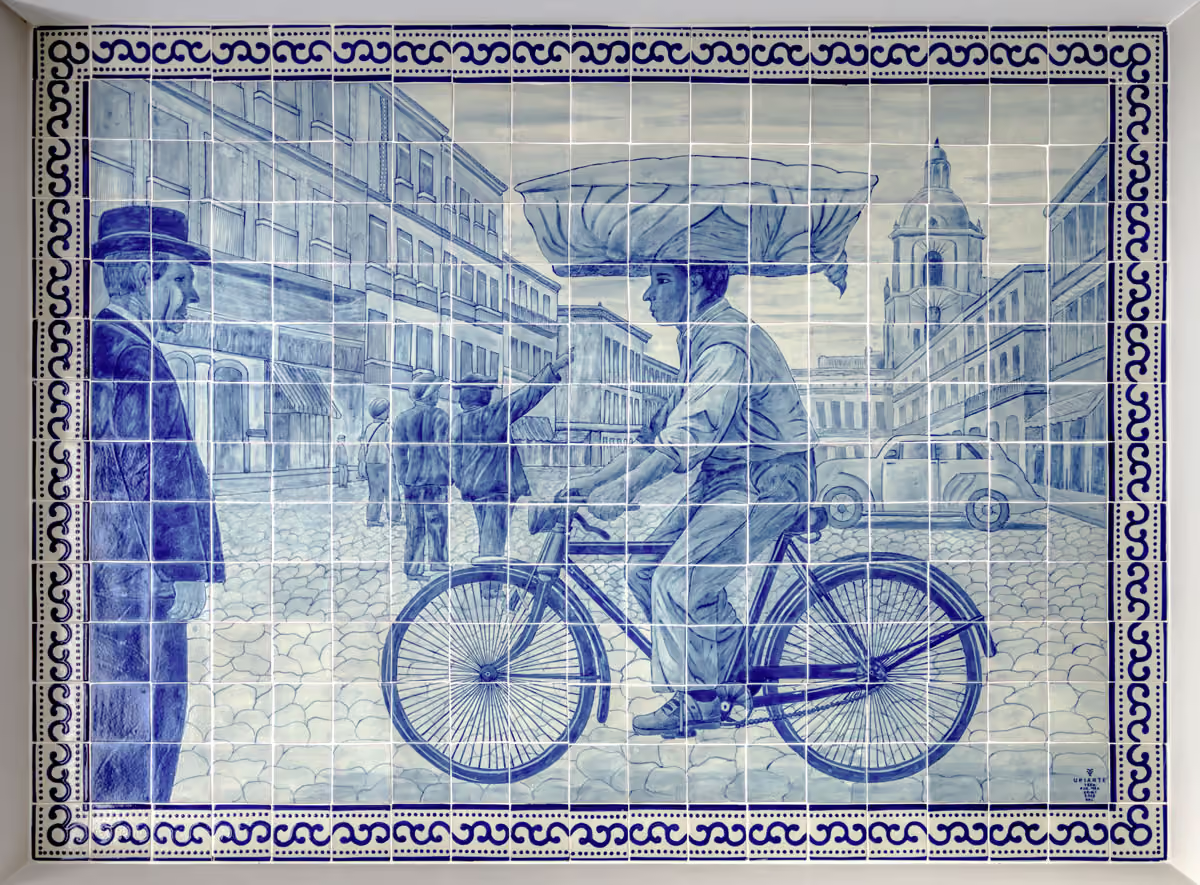
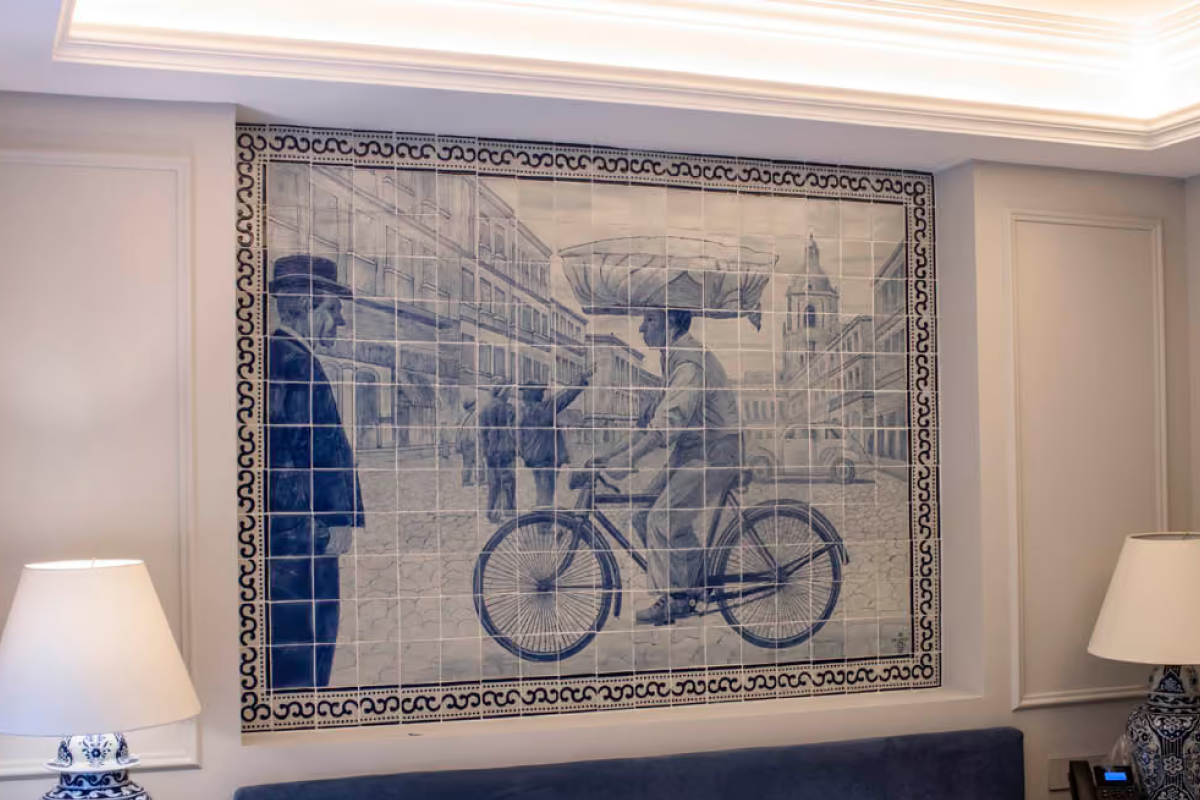
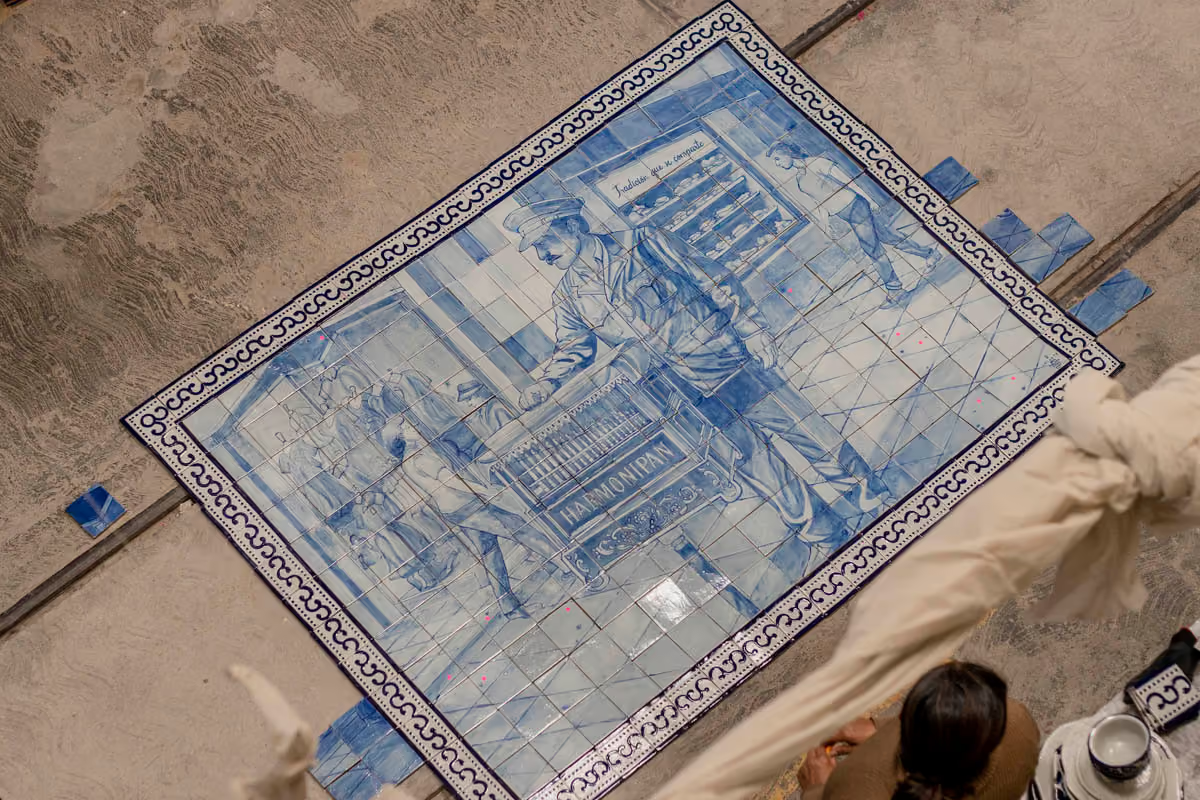
El Panadero

Artisan: Leticia Reyes Rodríguez

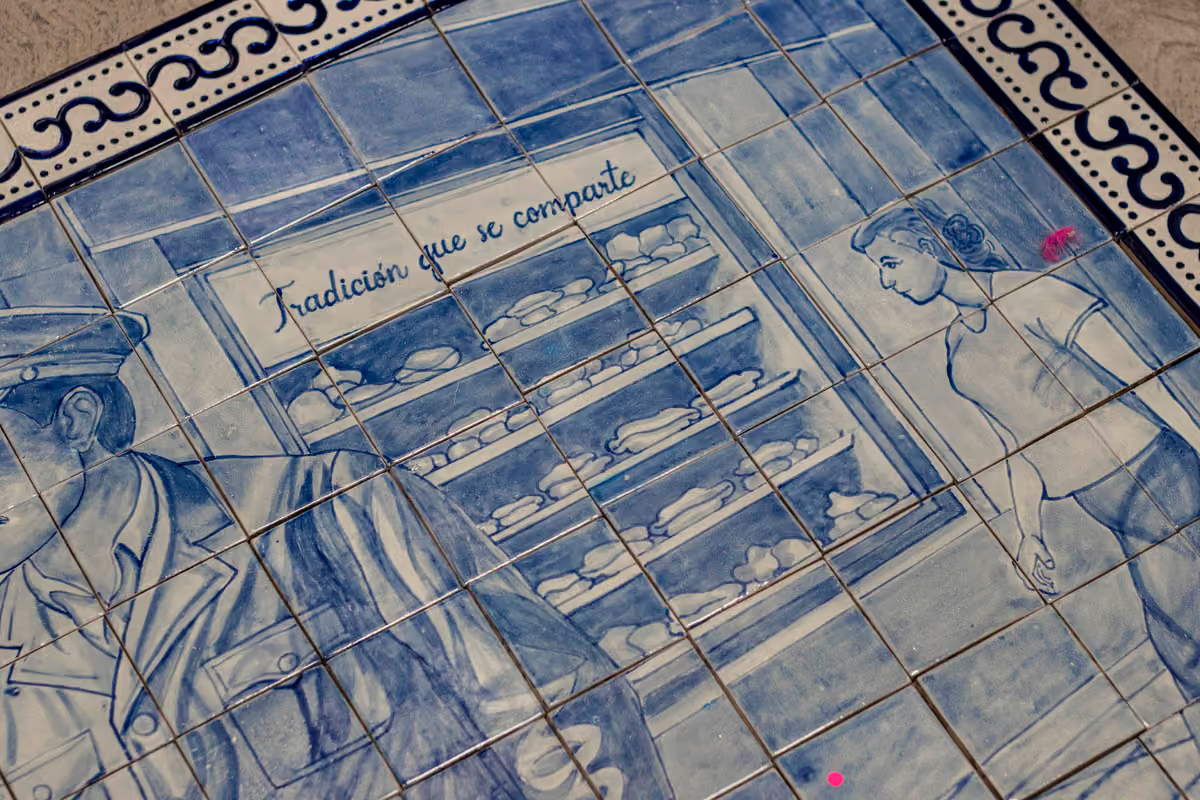
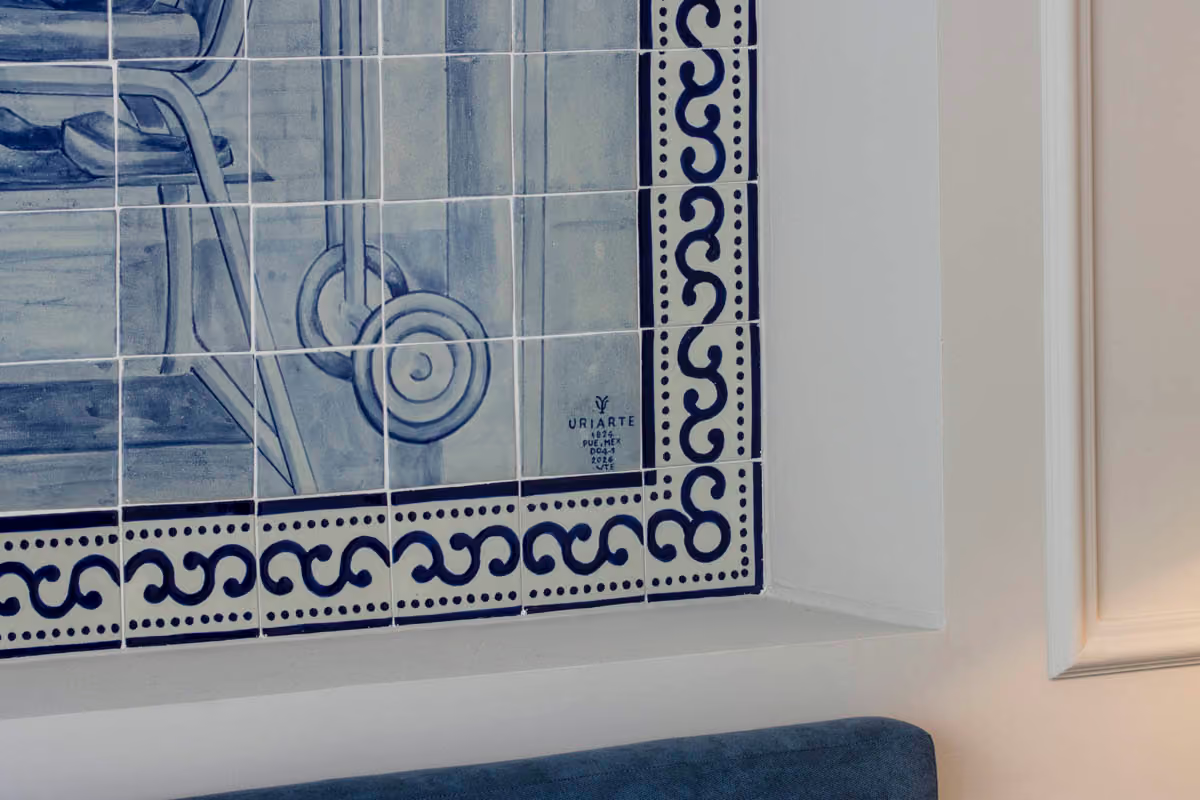
Since prehispanic times, Mexicans have shown a taste for sweet flavors, though it was during the colonial period that bread became a permanent part of daily life. Its presence grew so significant that it was recorded in 1525 in an ordinance issued by Hernán Cortés, which set strict rules on its making and sale: it had to be the proper weight, sold at a fair price, and well baked to keep properly
During the colonial era, bakeries produced a great variety of breads. Among the savory ones were el francés, the birote, el español, and pambazos, while the sweet ones included puff-pastry pieces such as campechanas, condes, and banderillas of French influence. Distribution was part of the urban landscape: panaderos walked the streets carrying large baskets on their heads, calling out their wares.

Over time, estanquillos appeared where bread was sold from a fixed location, and later came European-style pastry shops such as El Globo and El Molino. Pan de caja also made its way in, introduced to Mexico during the American intervention of 1847 and sold already sliced and wrapped.

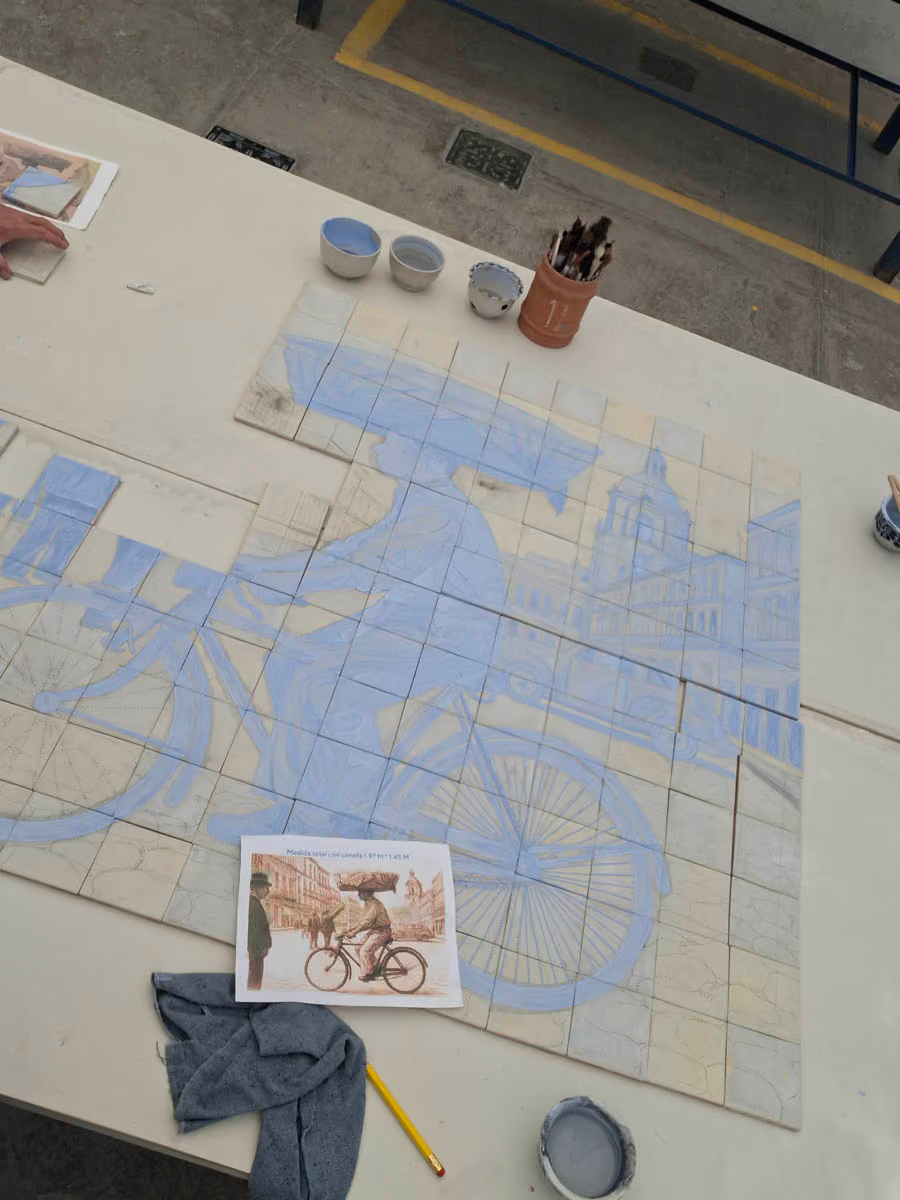
Process

Leticia Reyes Rodríguez

“El resultado no miente; es arte, amor y disciplina”
‍
I have been painting talavera for 11 years. The hardest part of this project was giving it depth, the play of light and shadow in blue tones, and what I liked most was the satisfaction of seeing the finished work.

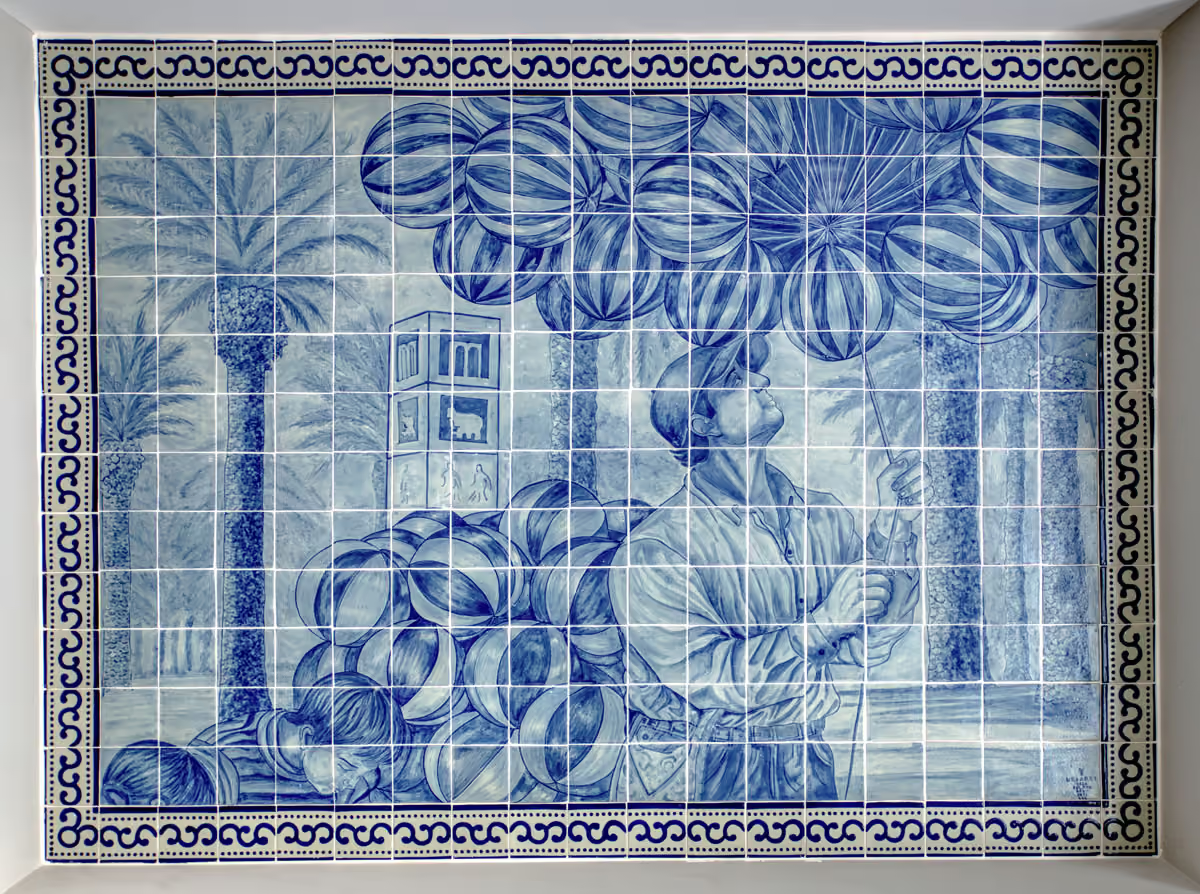
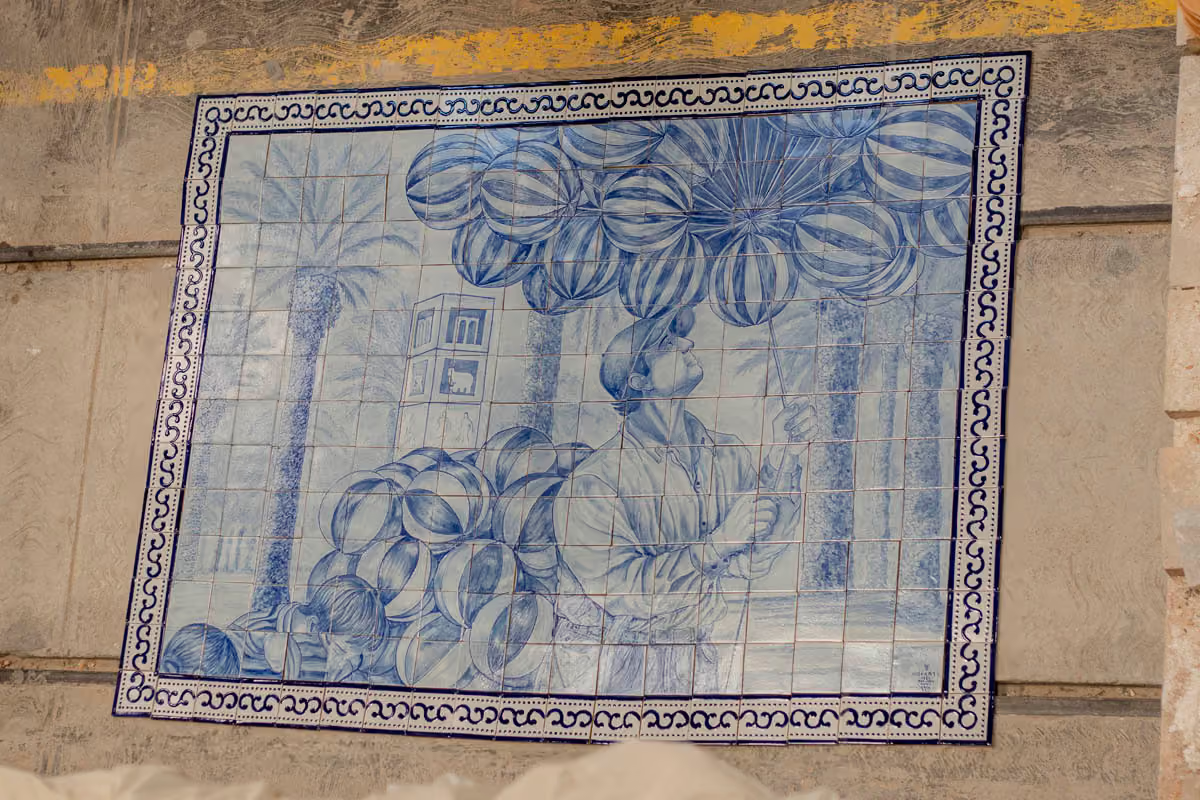
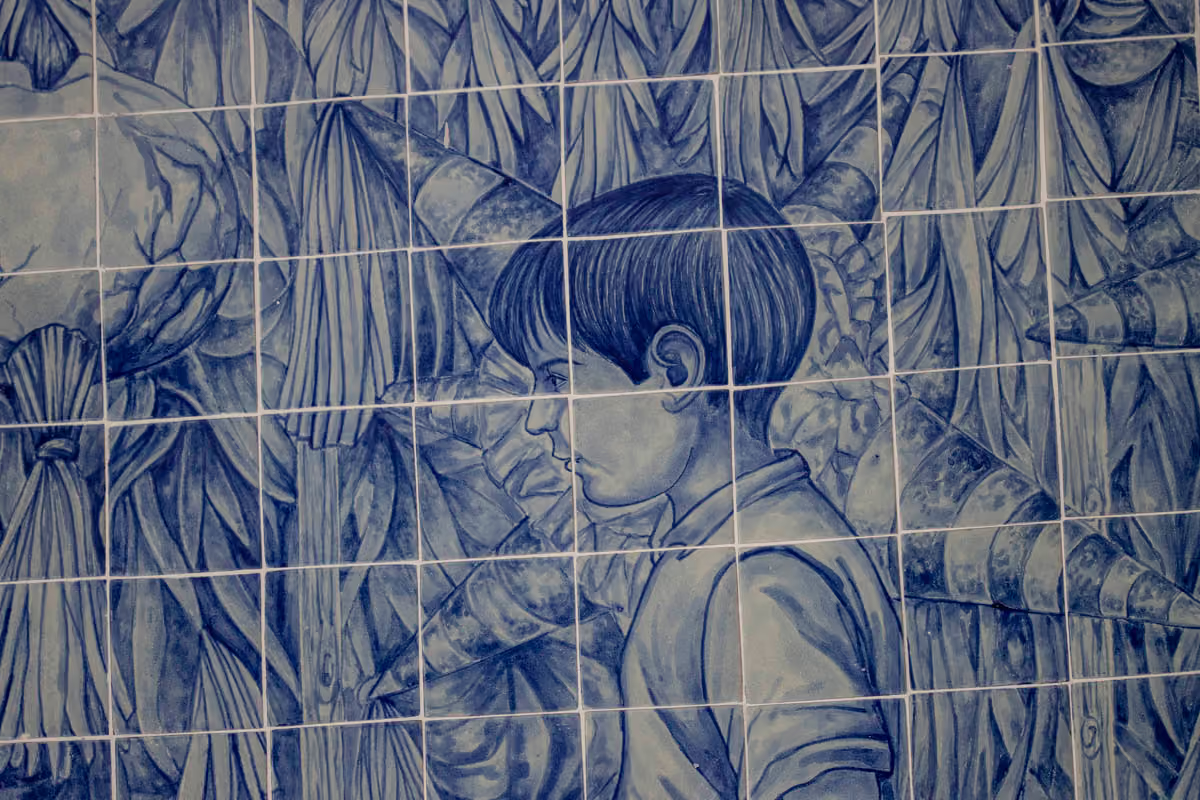
El Globero

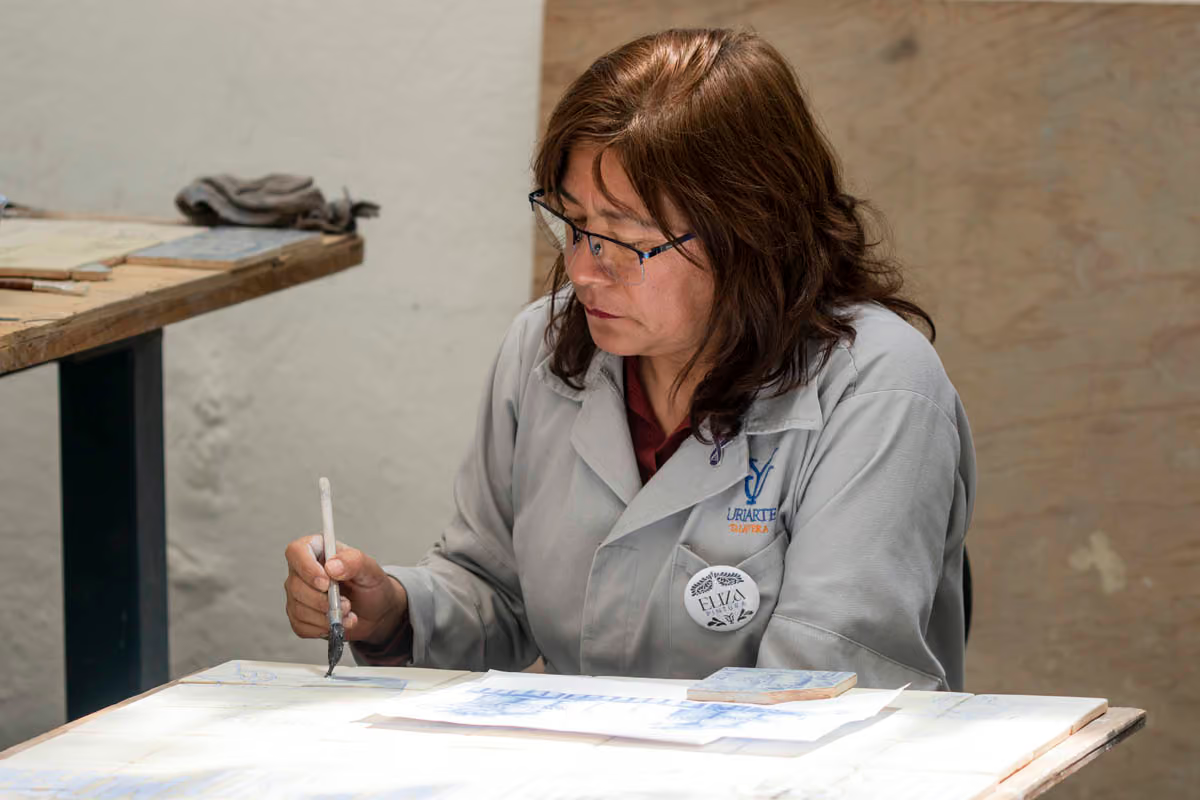
Artisan: Eliza Silva García

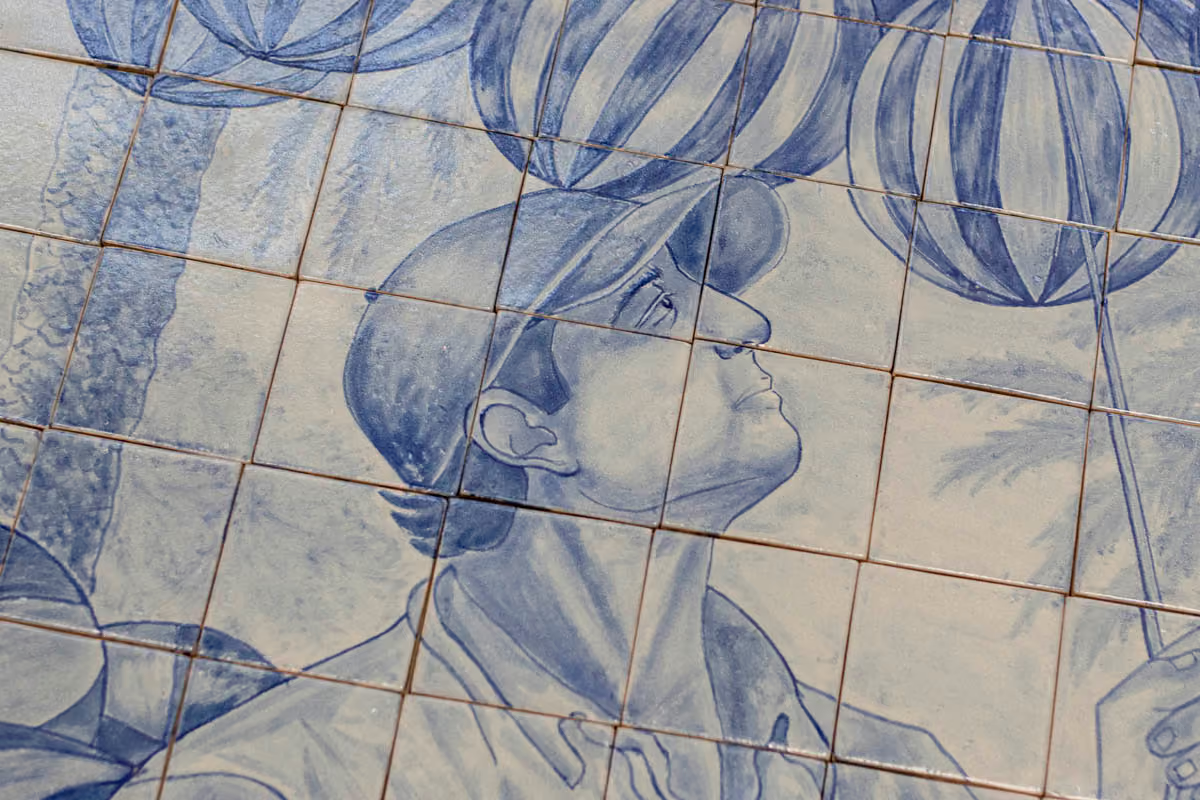
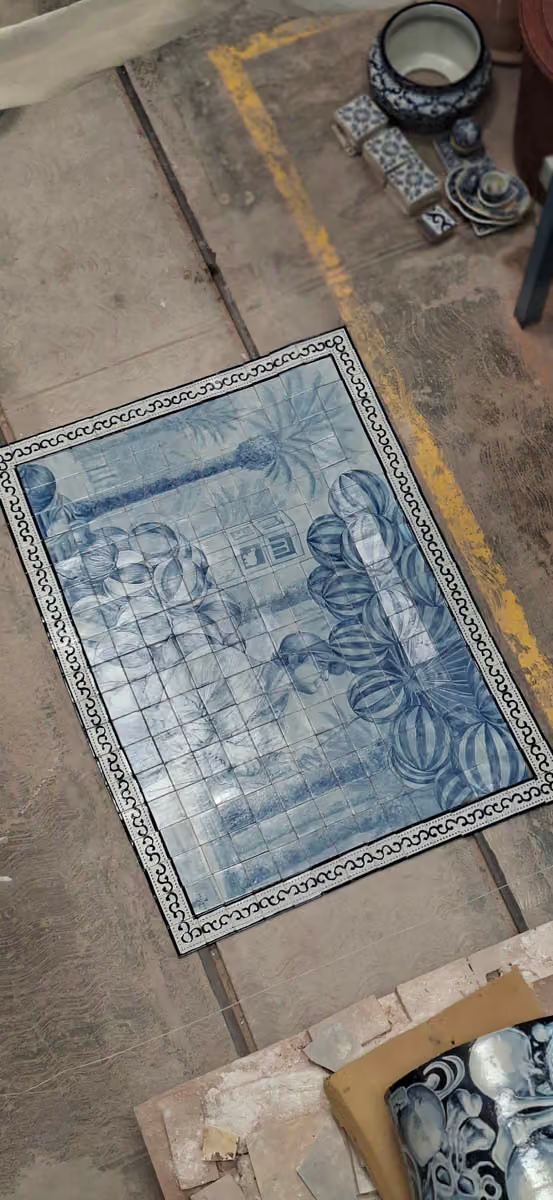
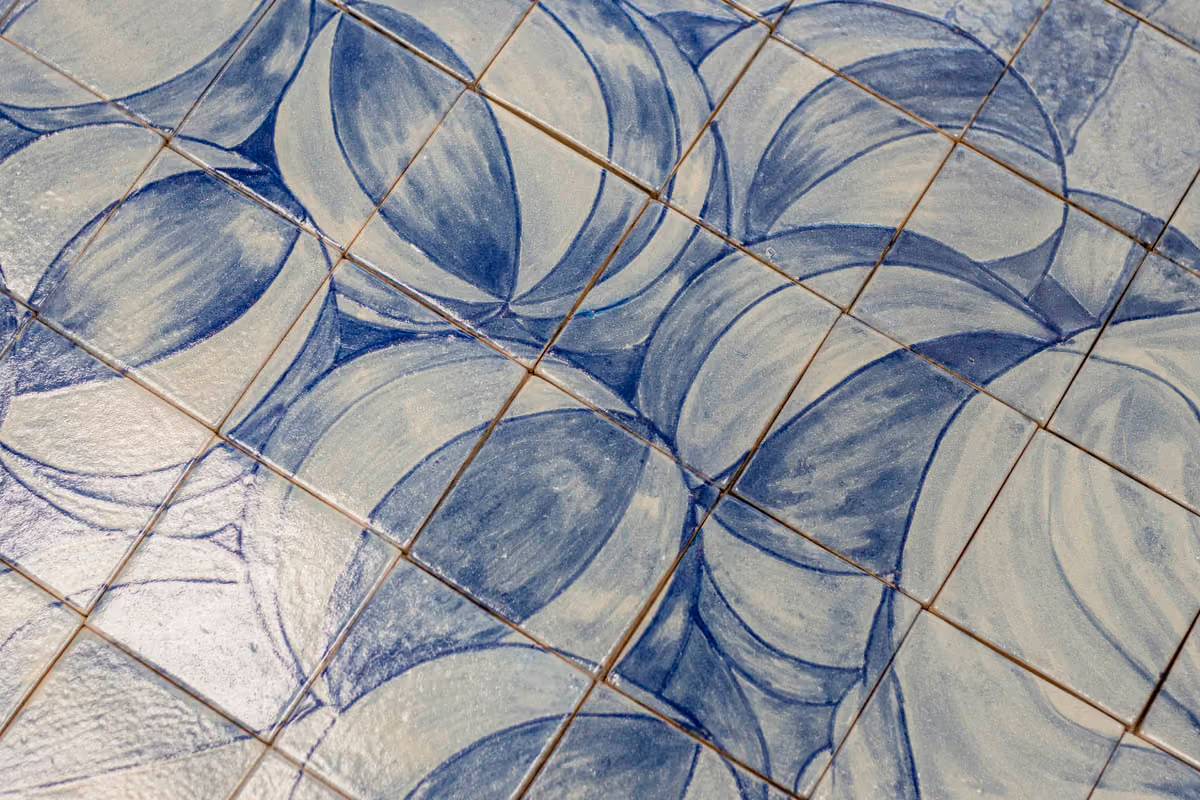
Globeros in Mexico are one of the country's most endearing traditions. As children, we were dazzled by the magic and variety of the floating colors these vendors carried in their hands. From simple balloons to cartoon characters, all of them held a uniquely magical aura. Despite the passing years, the trade refuses to disappear and keeps bringing happiness to everyone
Its importance was such that in 1965, in the state of Puebla, the Unión de Globeros was founded to defend its members' labor rights against other guilds. The trade of the globero in Mexico has a long history and is a familiar figure in everyday life in both urban and rural areas — a charmer of children's gazes. He is a colorful passerby on streets, main avenues, parks, and shopping plazas, always accompanied by a curious entourage: an enormous bouquet of floating balloons, usually latex spheres filled with gas, though at times in all kinds of shapes, figures, and colors. His signature whistle is what announces his arrival

Process

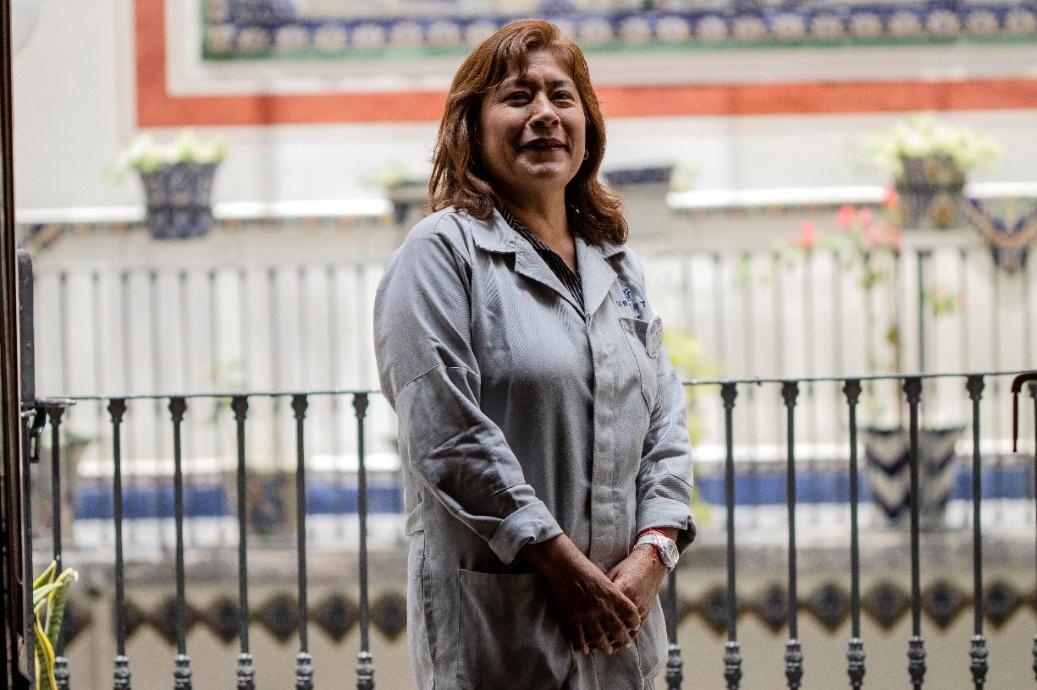
Eliza Silva García

“Amo mi trabajo”

I have been painting talavera for 33 years. The hardest part of this project was creating the mural of los pulques, because of its size — I had never made a piece so large. What I most enjoy in my work is making traditional pieces with the classic designs of Talavera Poblana.

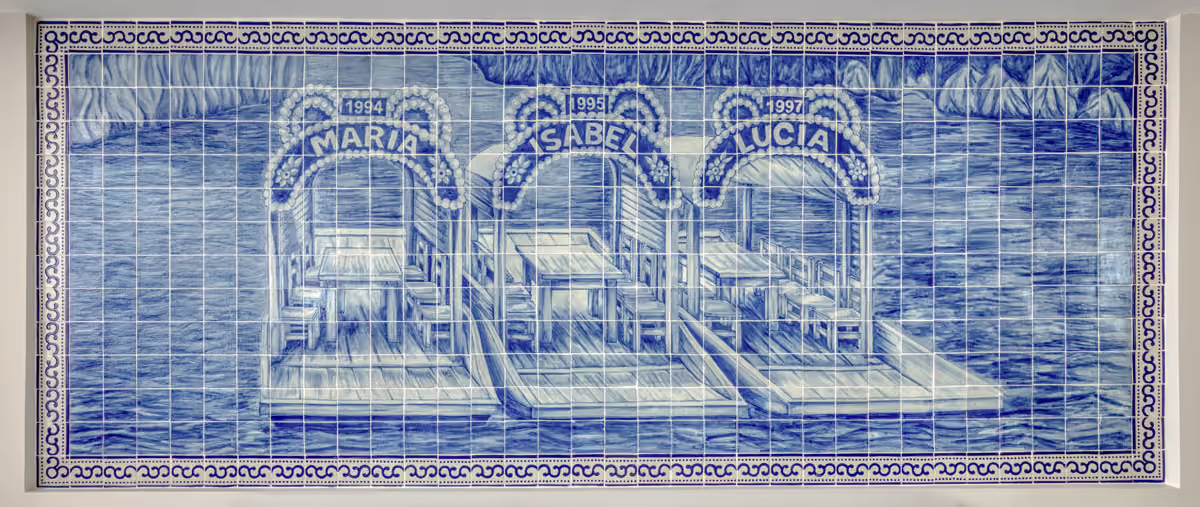
Trajineras

Artisan: Edgar Armas Morales

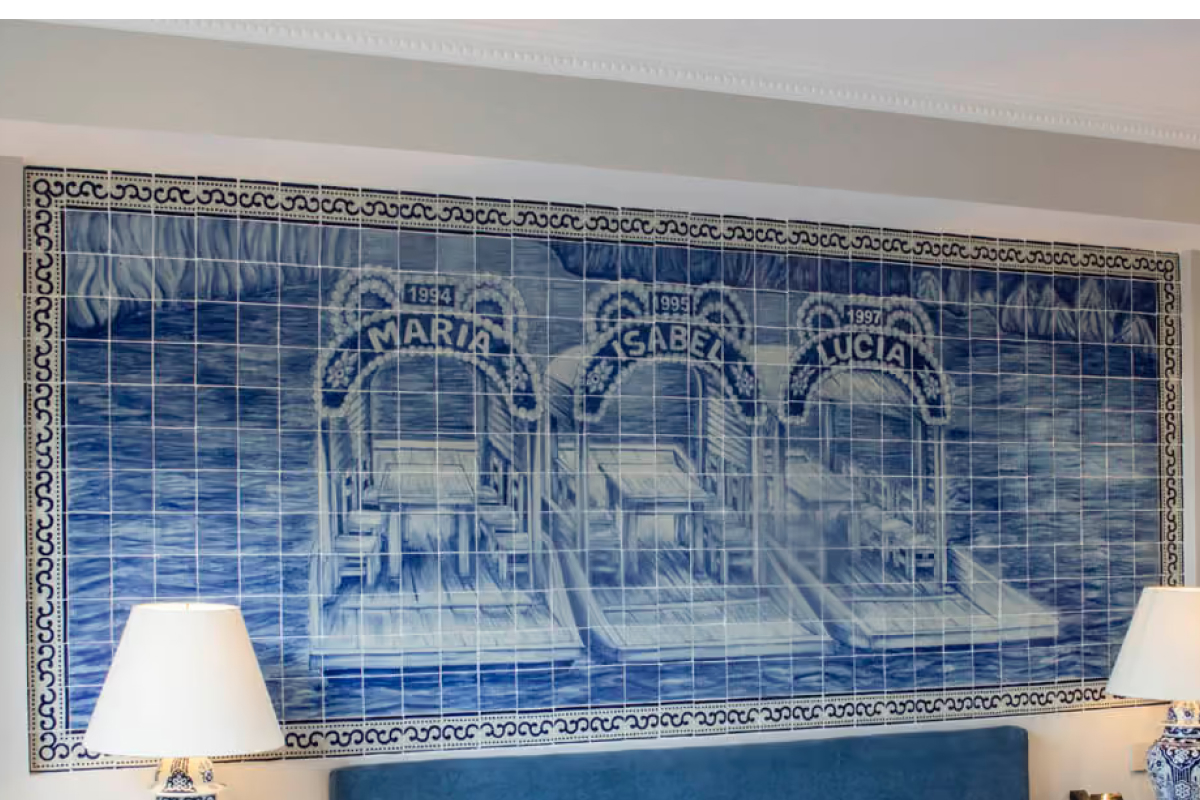
Trajineras are one of the foremost emblems of Xochimilco and represent a means of transport with prehispanic roots that has endured to the present day. Despite the cultural blending that followed the Conquest, these boats have survived as living testimony to Indigenous traditions. In precolonial times, with no pack animals available, various forms of transport developed, such as runners who could carry goods at great speed. Within the ancient Mexico City, canoes and trajineras were also used, especially by the Xochimilcas, who settled in the region around the year 1350.
Thanks to the lake conditions of the area, Indigenous peoples developed innovative systems such as the chinampas, which made it possible to grow crops on the water. This setting encouraged the use of boats in everyday life. Over time, during the Porfiriato, trajineras took on a recreational character and became popular with society, especially for outings.

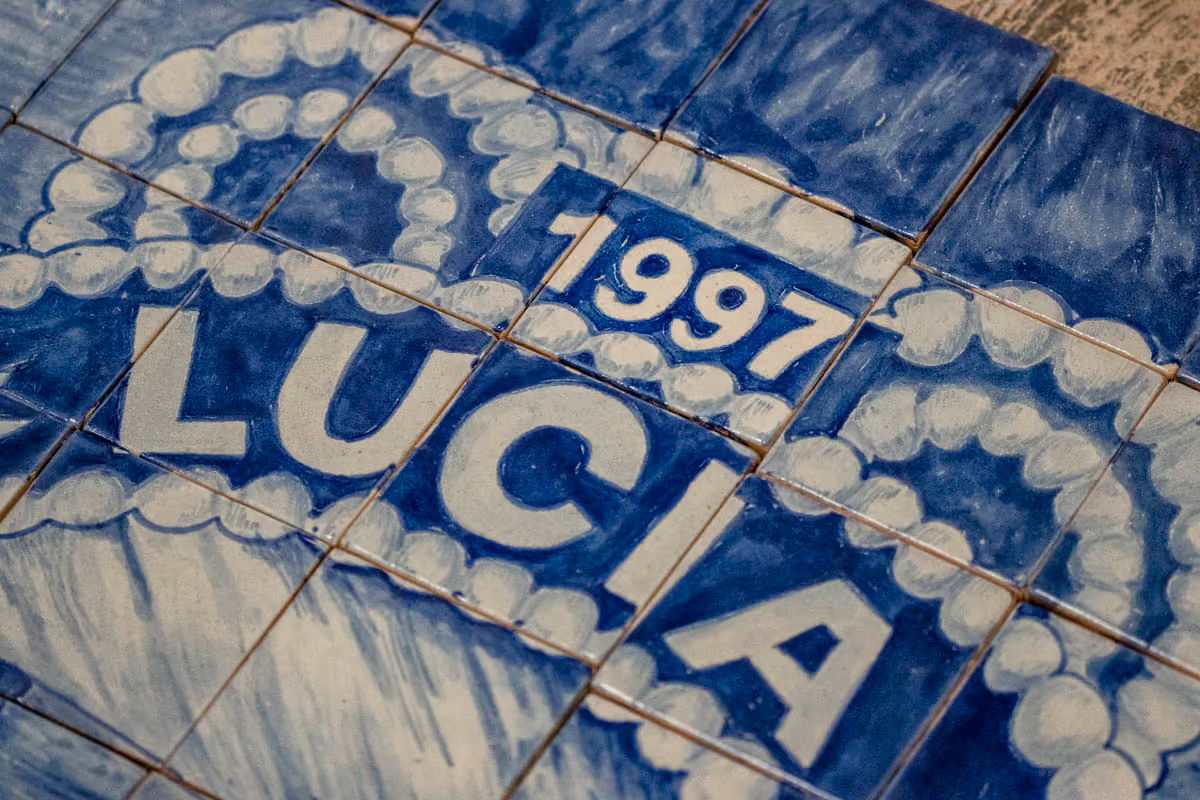
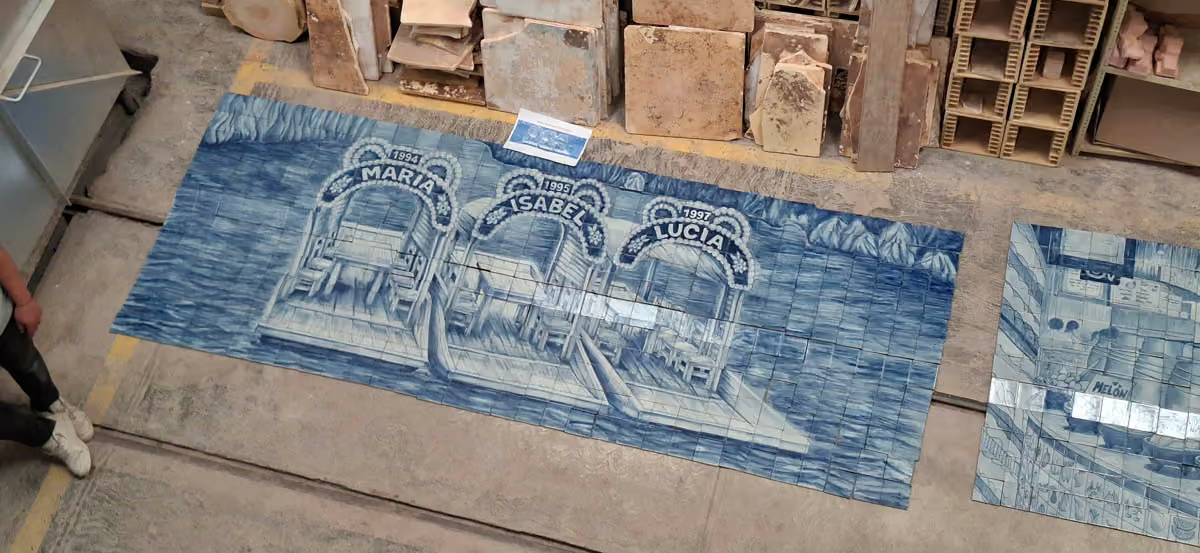
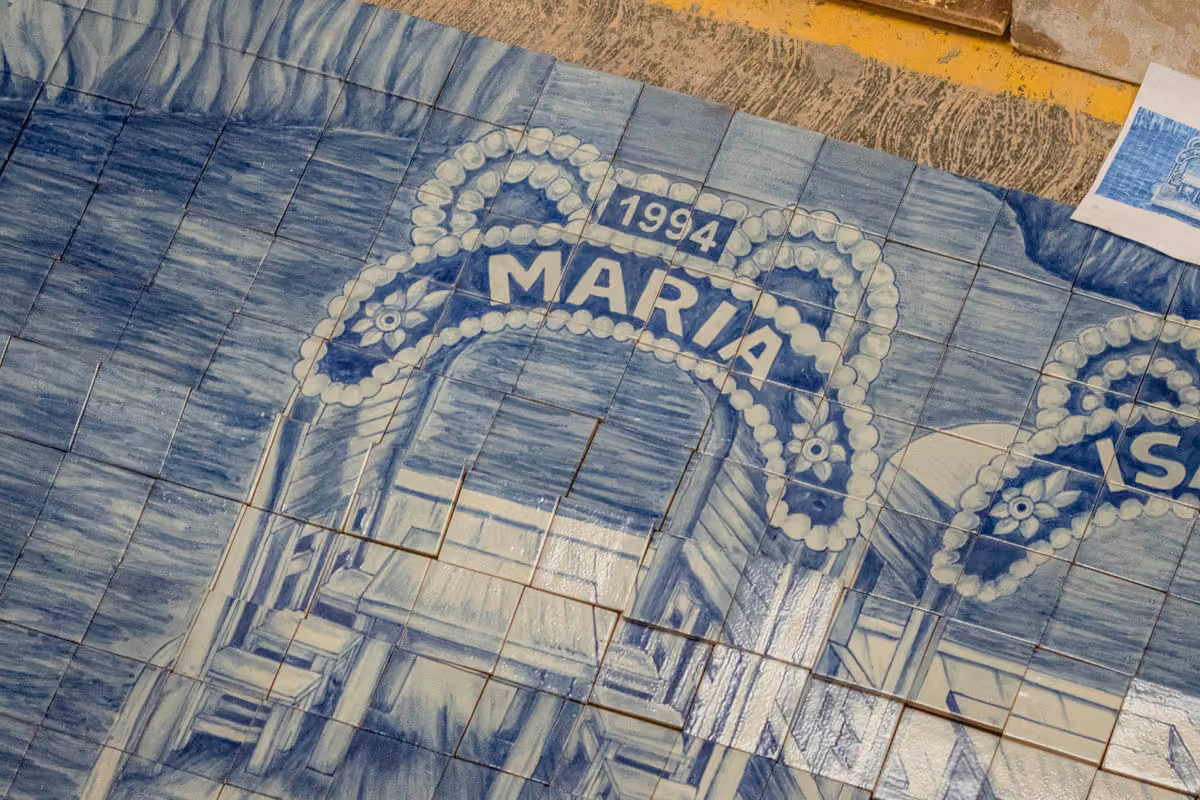
They were fitted with roofs for protection from the sun and decorated with flowers, which made them even more appealing. Xochimilco, known as "the place of the floating gardens," became an ideal setting for romantic rides, where names were even painted on the trajineras as a token of courtship. For this mural, the owner of Casa Talavera chose to place it in the hotel's finest room, giving the trajineras the names of his beloved daughters: María, Isabel, and Lucía.

Process

Edgar Armas Morales

“Línea por línea azulejo por azulejo, donde el pincel teje la grandeza de este oficio”
‍
I have been painting talavera for 4 years. The hardest part of this project was the textures and the play of tones; what I liked most were the textures and the relief of each piece.

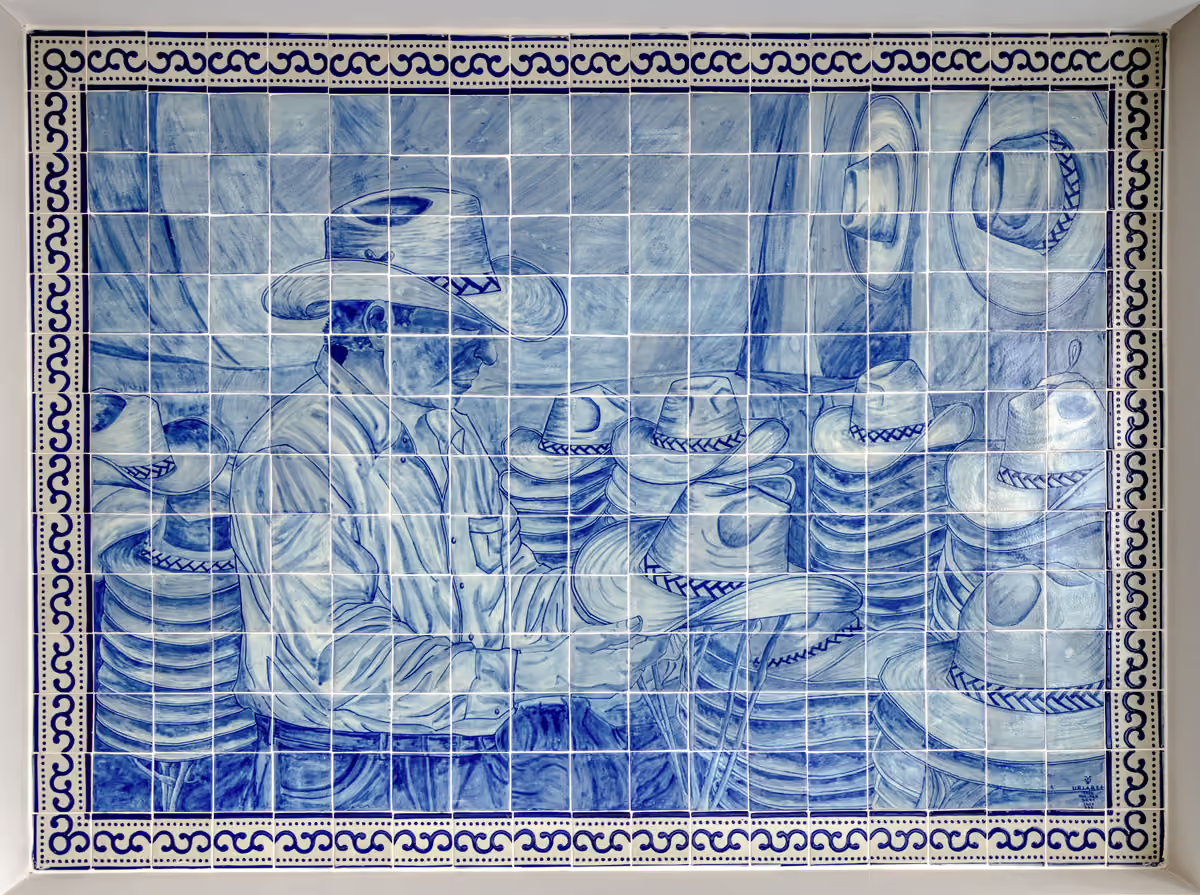
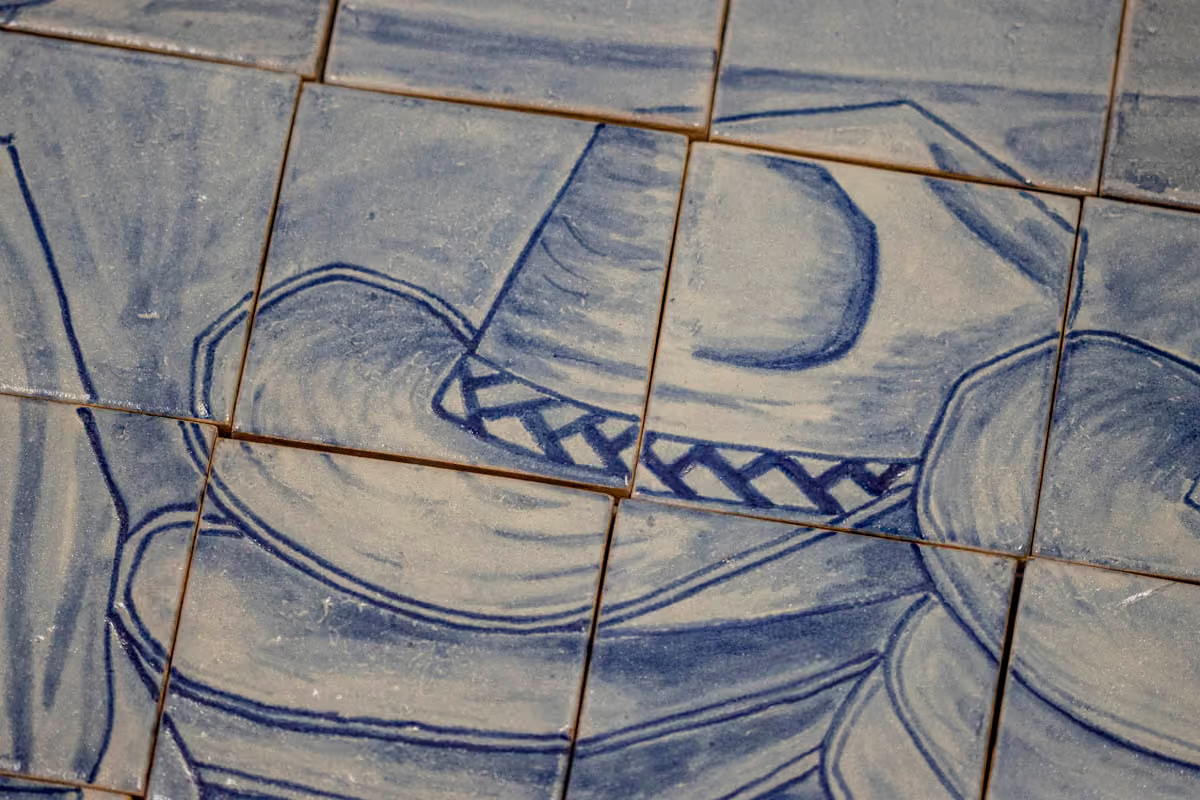
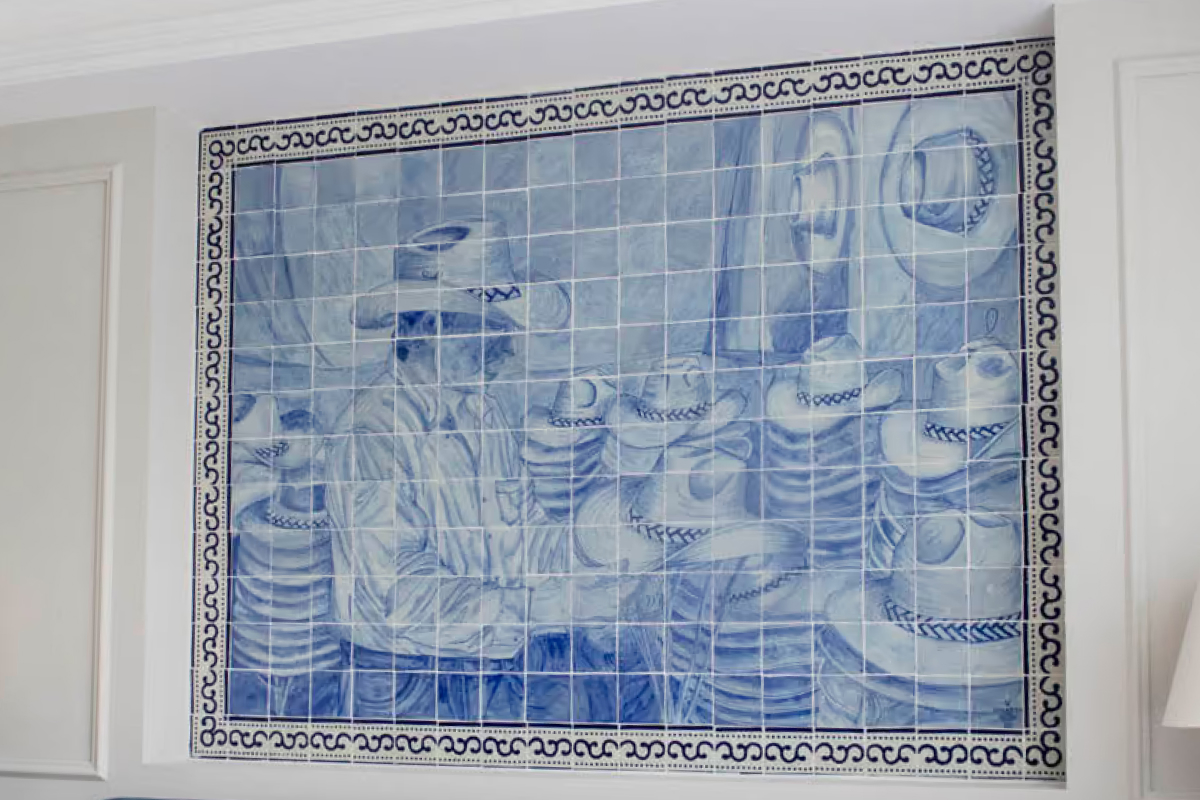
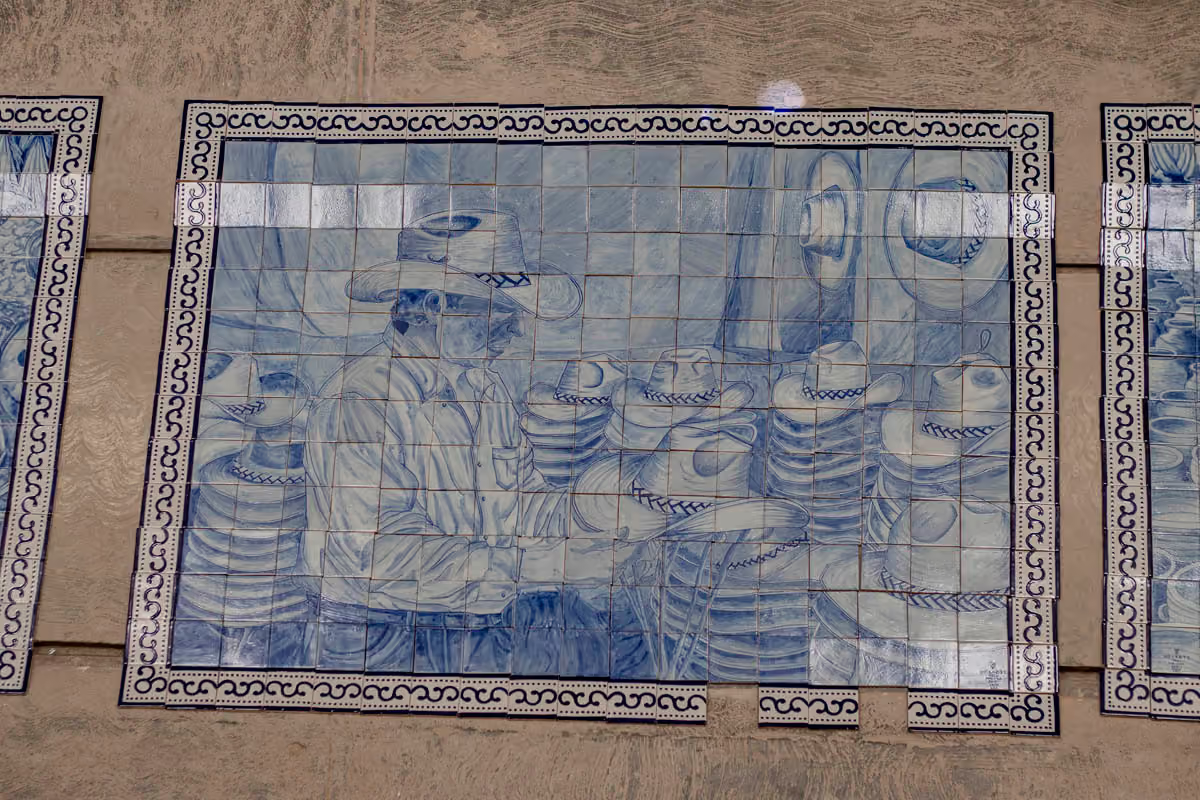
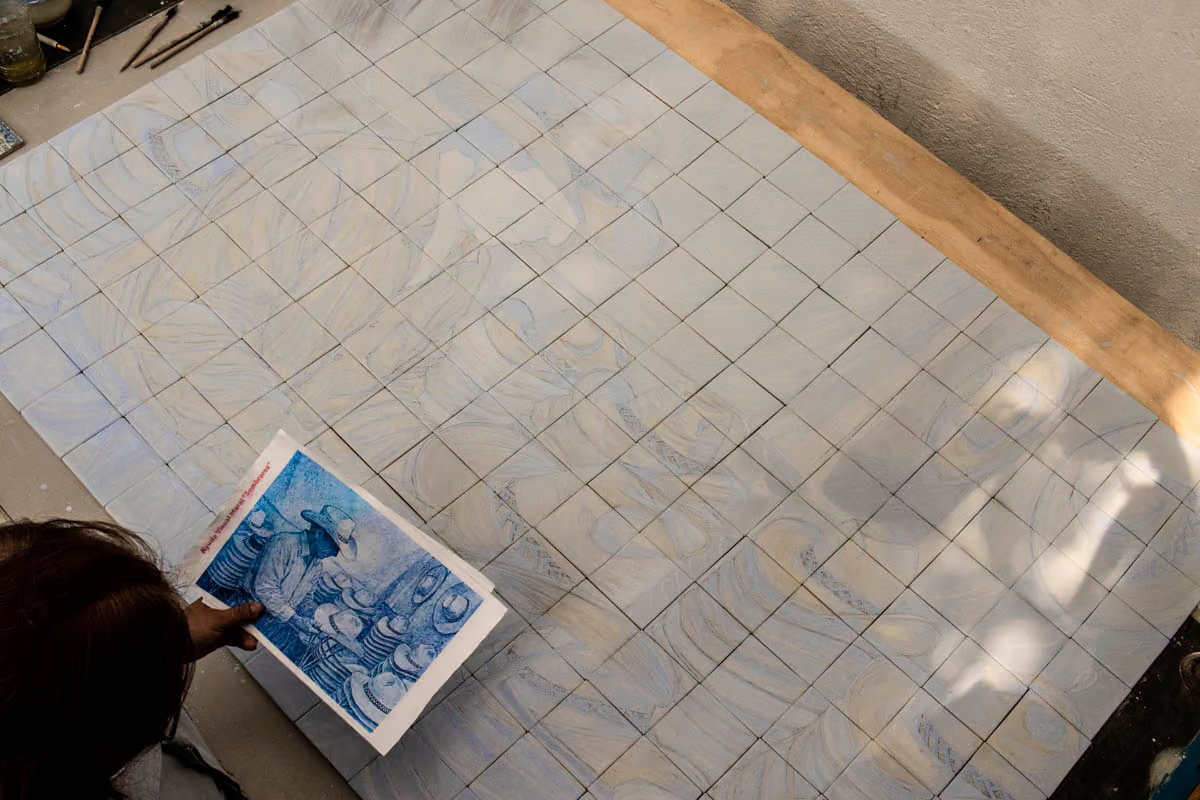
Vendedor de sombreros

Artisan: Eliza Silva García

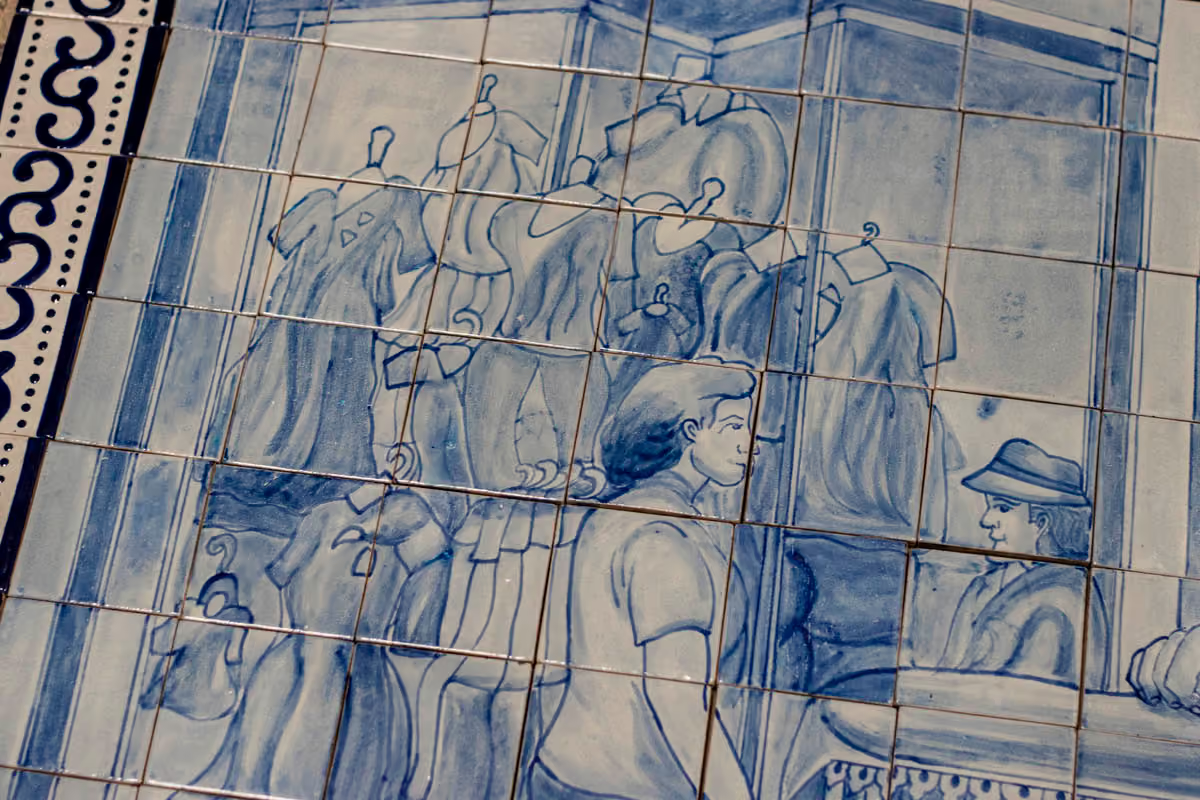
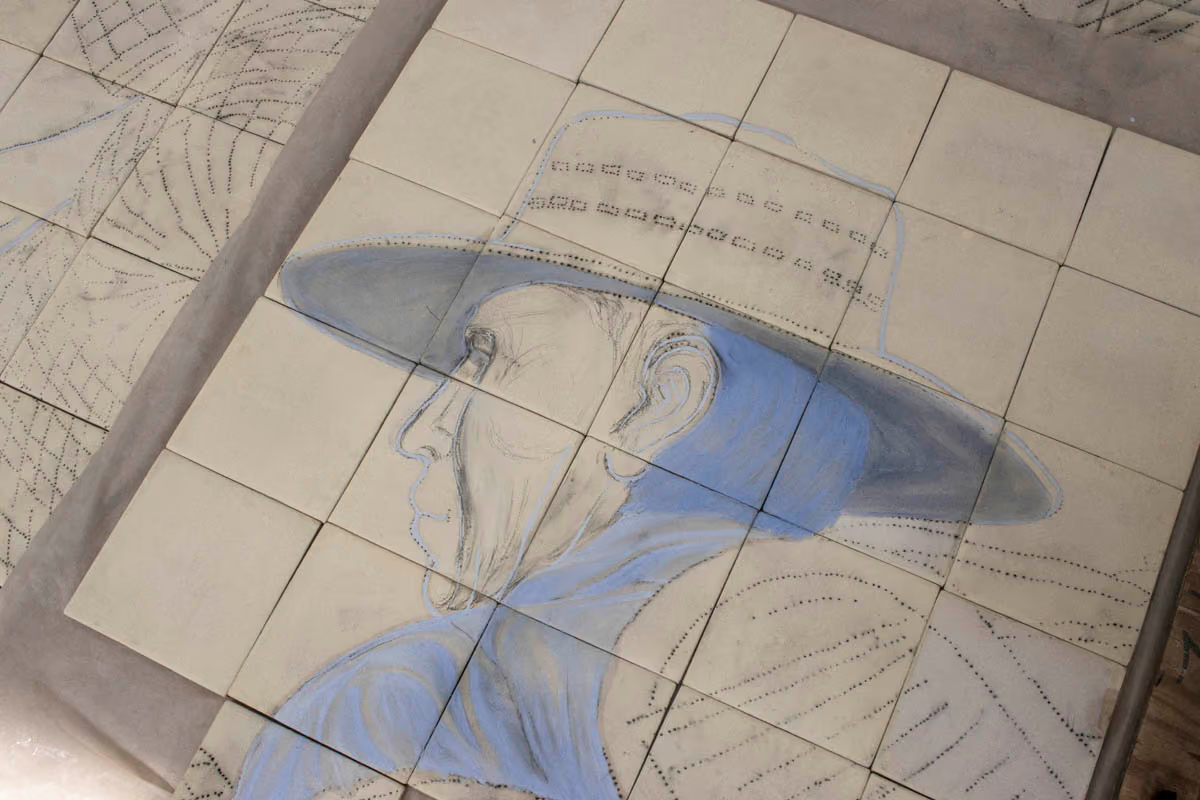
The sombrero de palma is far more than an accessory: woven into it are centuries of Mexican tradition, identity, and culture. Its history reaches back to prehispanic times, when Indigenous peoples used natural fibers — palma among them — to make everyday objects and garments that offered protection from the sun.
Palma, abundant across many regions of Mexico, was the ideal material for weaving hats that were sturdy, light, and cool. Cutting, drying, and braiding the fibers became a craft passed down from generation to generation. With the arrival of the colonial period, the sombrero de palma grew even more popular and began to take on shapes and styles particular to each region of the country.

The Mexican sombrero de palma serves a practical function, but a symbolic one as well. It represents the ingenuity of the artisan, the connection to the land, and the identity of the communities that produce it. Each piece is unique, made entirely by hand with careful attention to every detail of the weave. Today the sombrero de palma remains highly valued in rural life and in urban fashion alike. Its coolness and durability make it ideal for warm climates, while its artisanal design makes it an authentic garment appreciated both nationally and internationally.

Process

Eliza Silva García

“Amo mi trabajo”

I have been painting talavera for 33 years. The hardest part of this project was creating the mural of los pulques, because of its size — I had never made a piece so large. What I most enjoy in my work is making traditional pieces with the classic designs of Talavera Poblana.

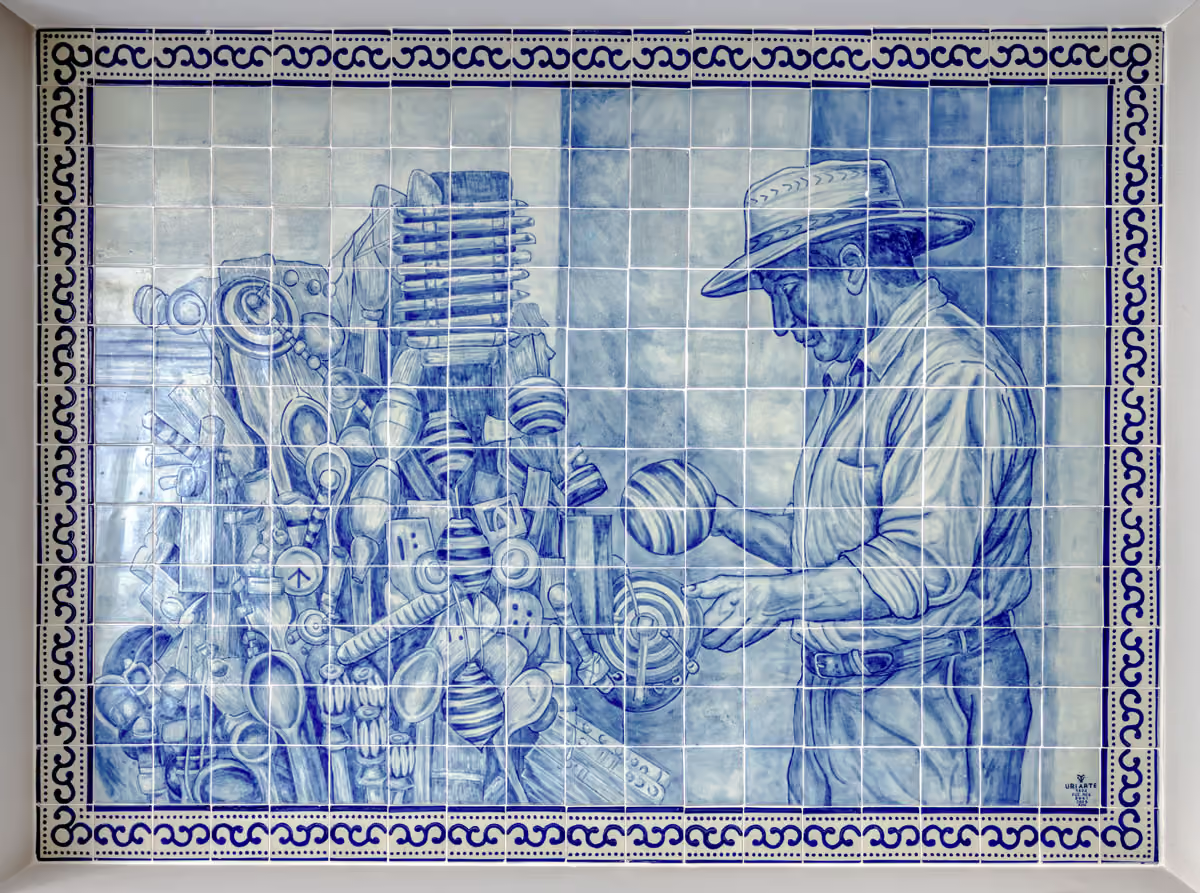
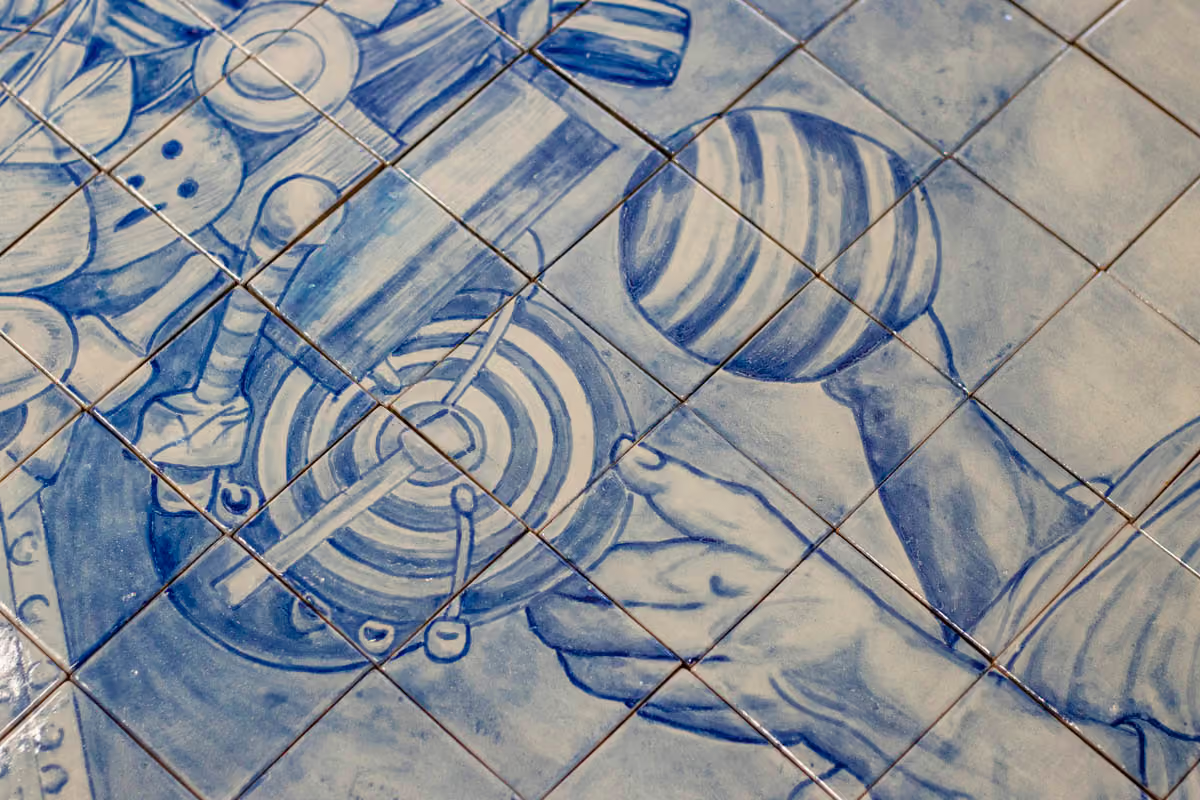
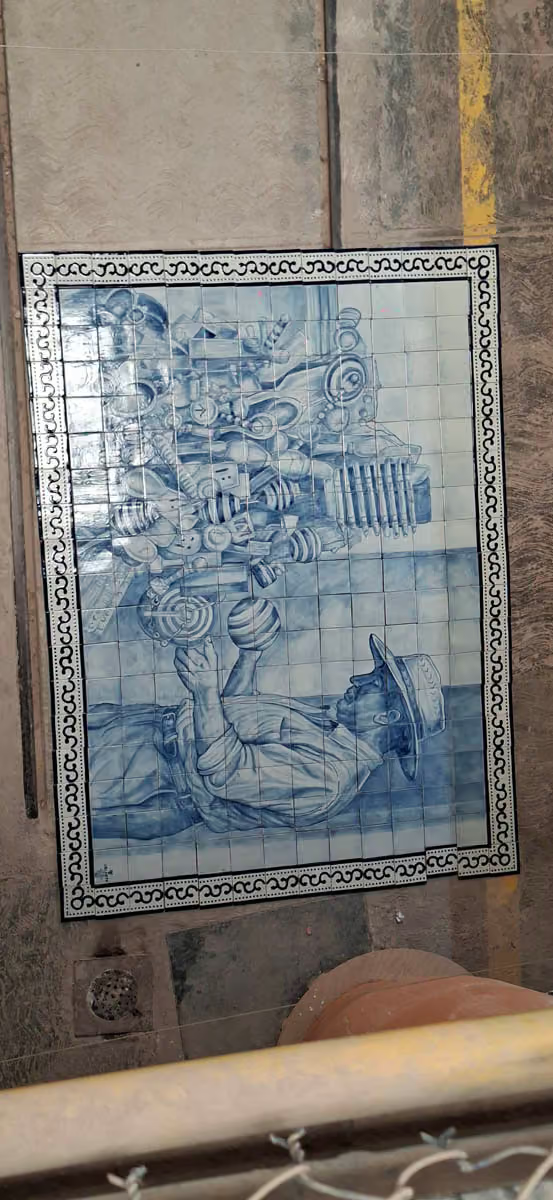
El vendedor de juguetes

Artisan: Edgar Armas Morales

In Mexico, two fundamental traits of the culture are the creativity and manual skill of its artisans, qualities clearly reflected in the making of traditional toys. These pieces are an artistic expression that conveys the joy, folklore, and identity of the country. Since ancient times, toys have been part of everyday life, made mainly from materials such as patol or colorín wood, cardboard, engrudo, clay, cloth, tin sheet, and wire, and decorated in bright colors that make them especially eye-catching
Although their exact origin is unknown, it is believed that objects used as toys already existed in prehispanic times, such as animal figurines with or without wheels and rubber balls found at archaeological sites. After the Conquest, toys also reflected gender roles: boys were given trompos, toy cars, or marbles, while girls received dolls, play kitchens, or toy strollers.

An essential characteristic of these toys is that they represent the adult world in miniature, creating a link between imagination and reality. And because they are made entirely by hand, every piece is one of a kind.

Process

Edgar Armas Morales

“Línea por línea azulejo por azulejo, donde el pincel teje la grandeza de este oficio”
‍
Llevo 4 años pintando en talavera, lo que más se me dificulto de este proyecto fueron las textura y el juego de tonalidades, lo que más me gusto fueron las texturas y relieves de cada obra.

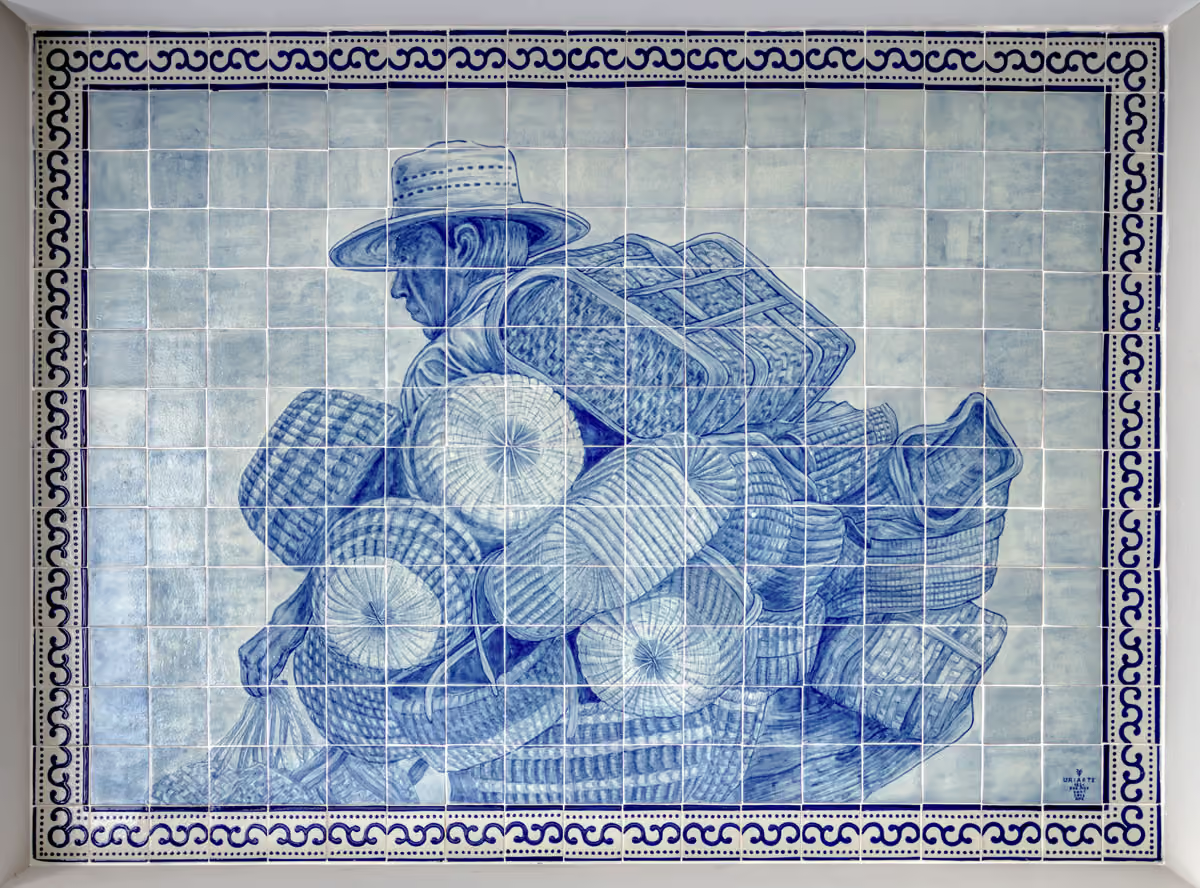
Canastos

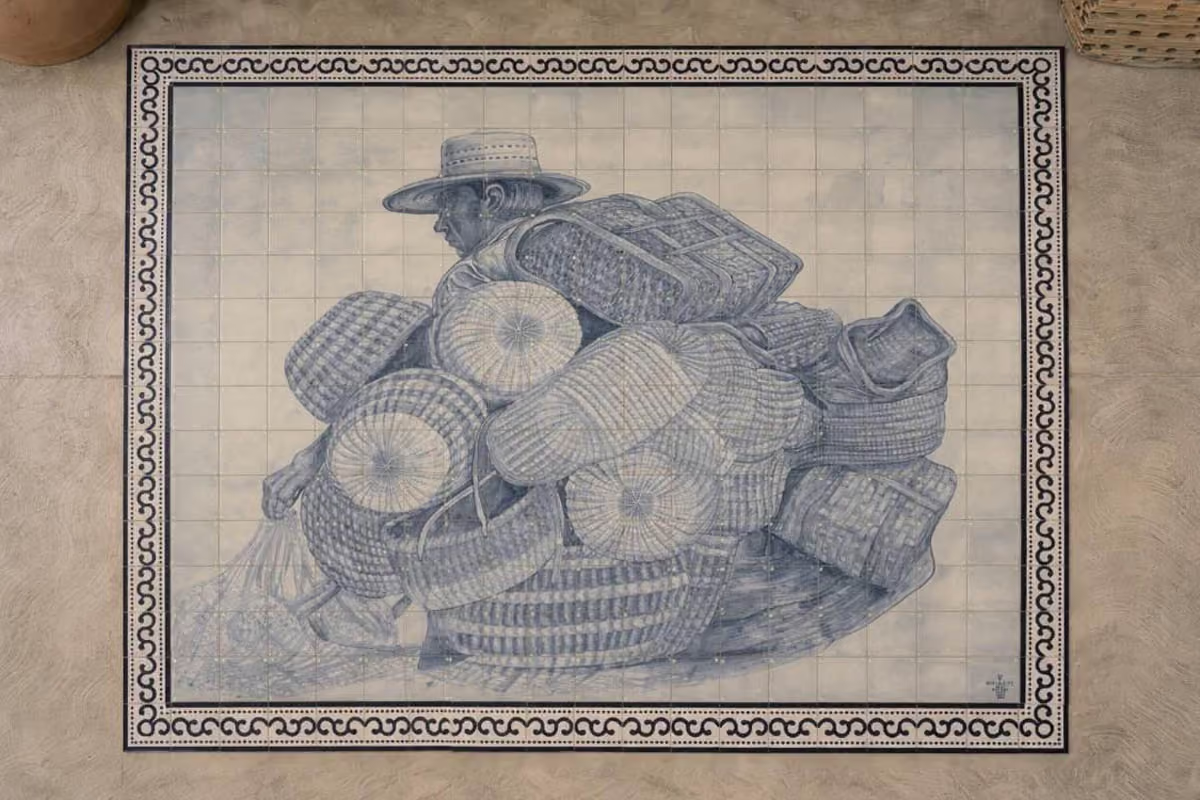
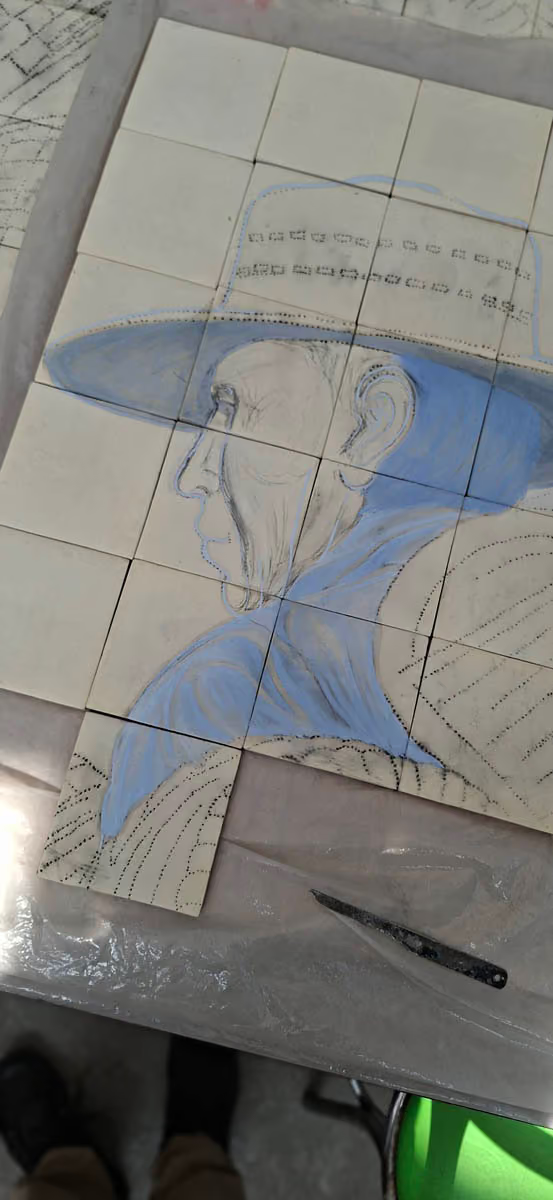
Artisan: Edgar Armas Morales

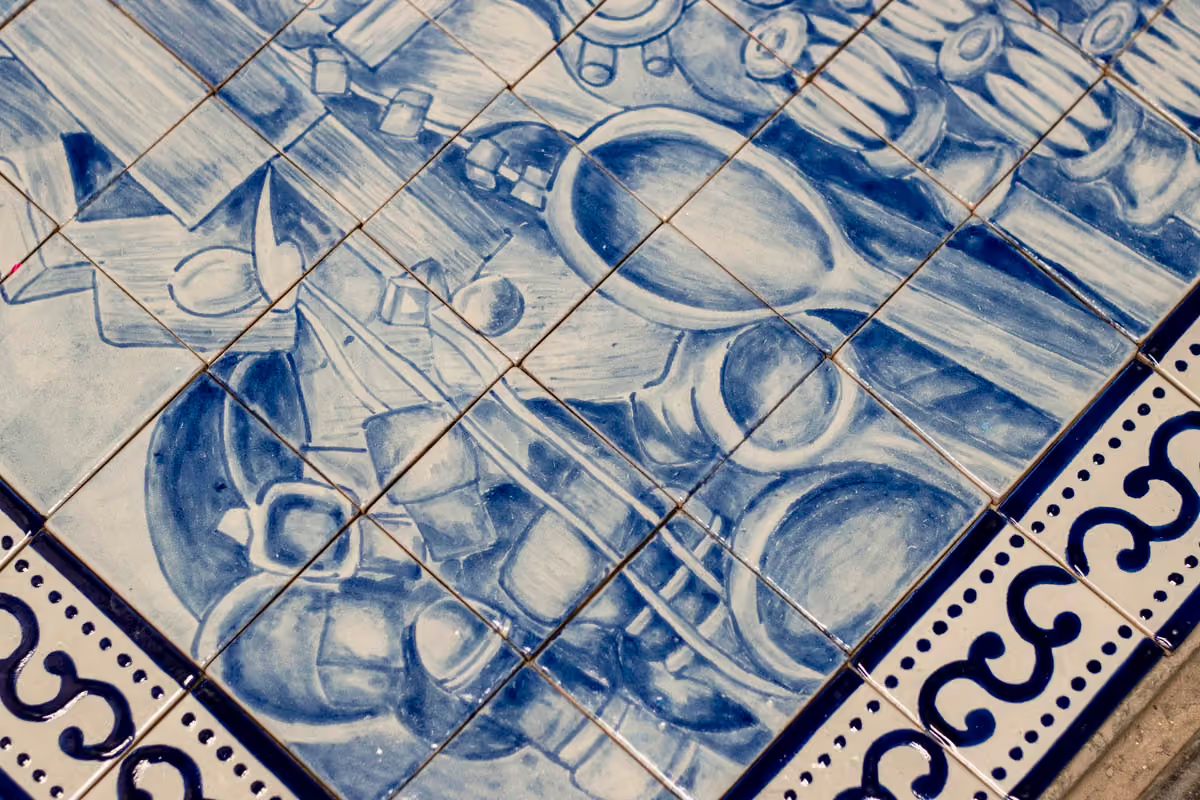
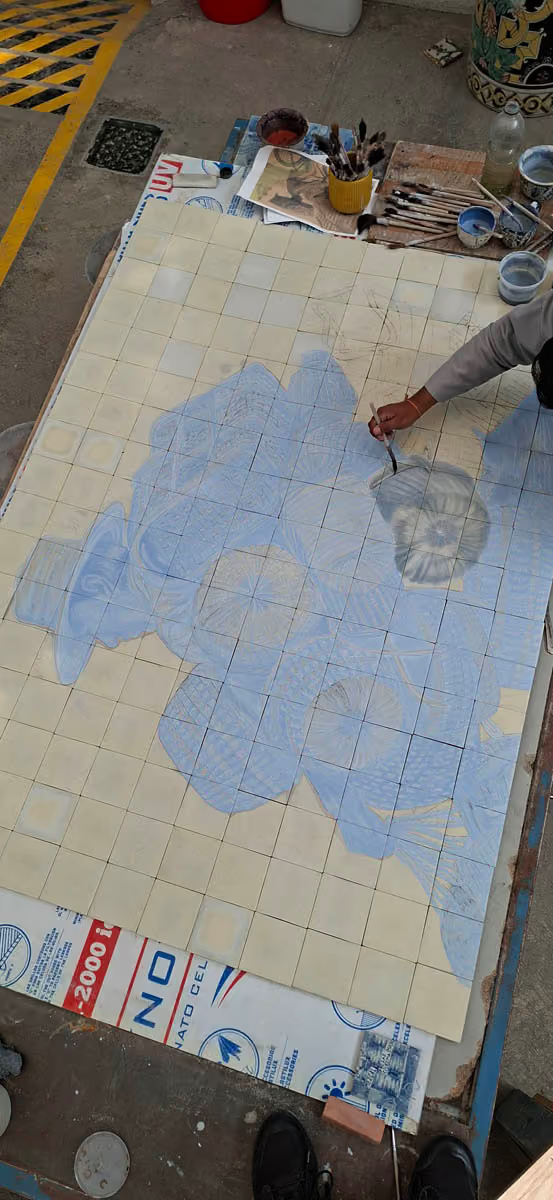
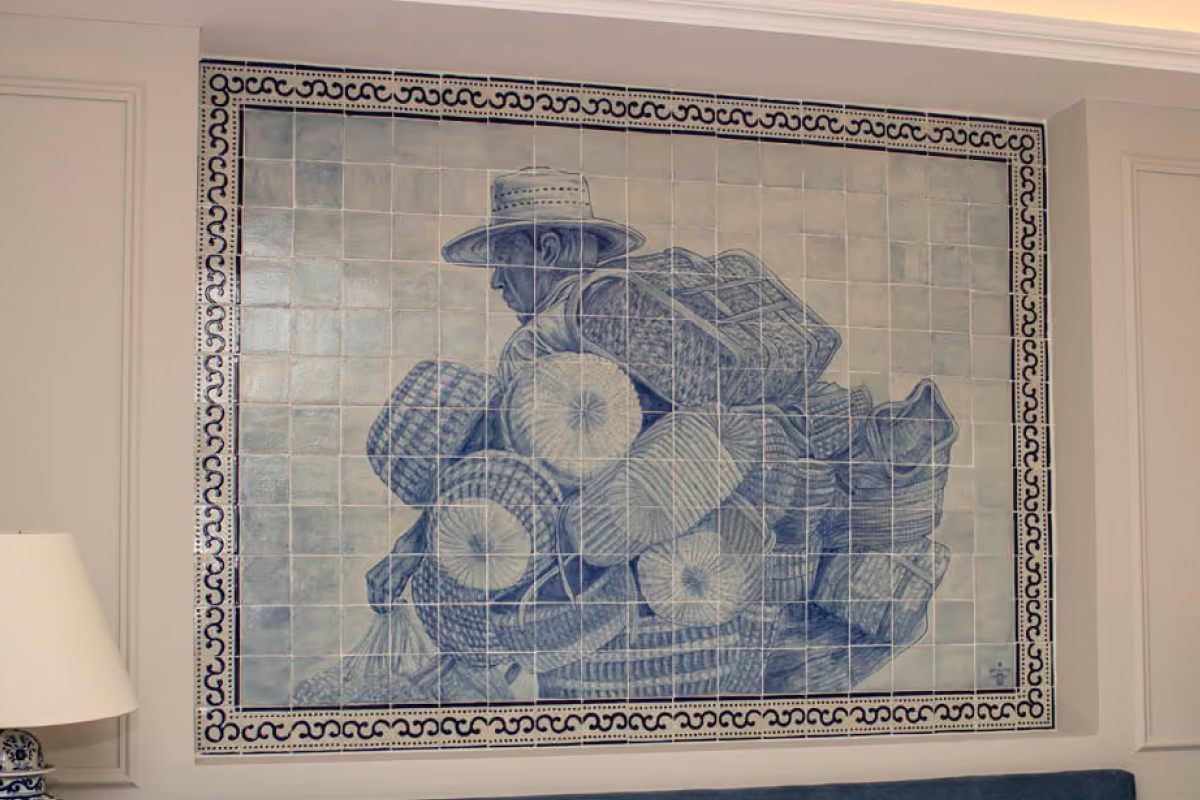
Cestería is one of the oldest trades in Mesoamerica and emerged in response to the basic needs of the earliest communities. In its beginnings it was used to create simple containers for gathering, storing food, and carrying objects found in nature. Over time the practice evolved into a wide variety of pieces useful in daily life — mats, boxes, chairs, cradles, sandals, and even certain articles of clothing — demonstrating the versatility of natural materials.
In Mexico, cestería has two main branches, Indigenous and Spanish, distinguished by their techniques, forms, and products. Among the most important methods are coiling and braiding, both essential to producing sturdy, functional pieces.

Despite the passing of centuries, many objects of prehispanic origin remain in use, such as petates, bags, baskets, and sombreros. These creations serve a practical function, but they also reflect the cultural richness of the country. They invite us to value sustainability, creativity, and tradition. Every piece of cestería is a living reminder of the history and ingenuity of those who make it.

Process

Edgar Armas Morales

“Línea por línea azulejo por azulejo, donde el pincel teje la grandeza de este oficio”
‍
I have been painting talavera for 4 years. The hardest part of this project was the textures and the play of tones; what I liked most were the textures and the relief of each piece.

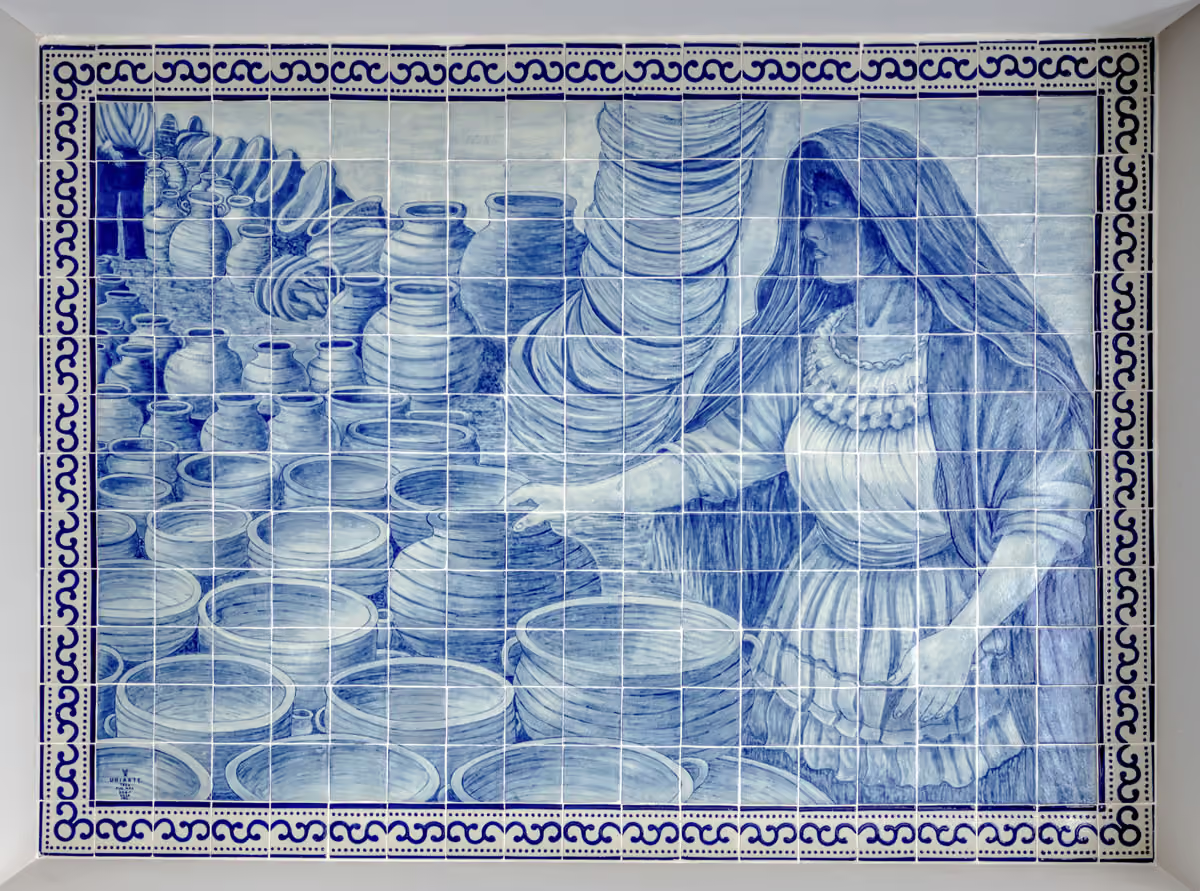
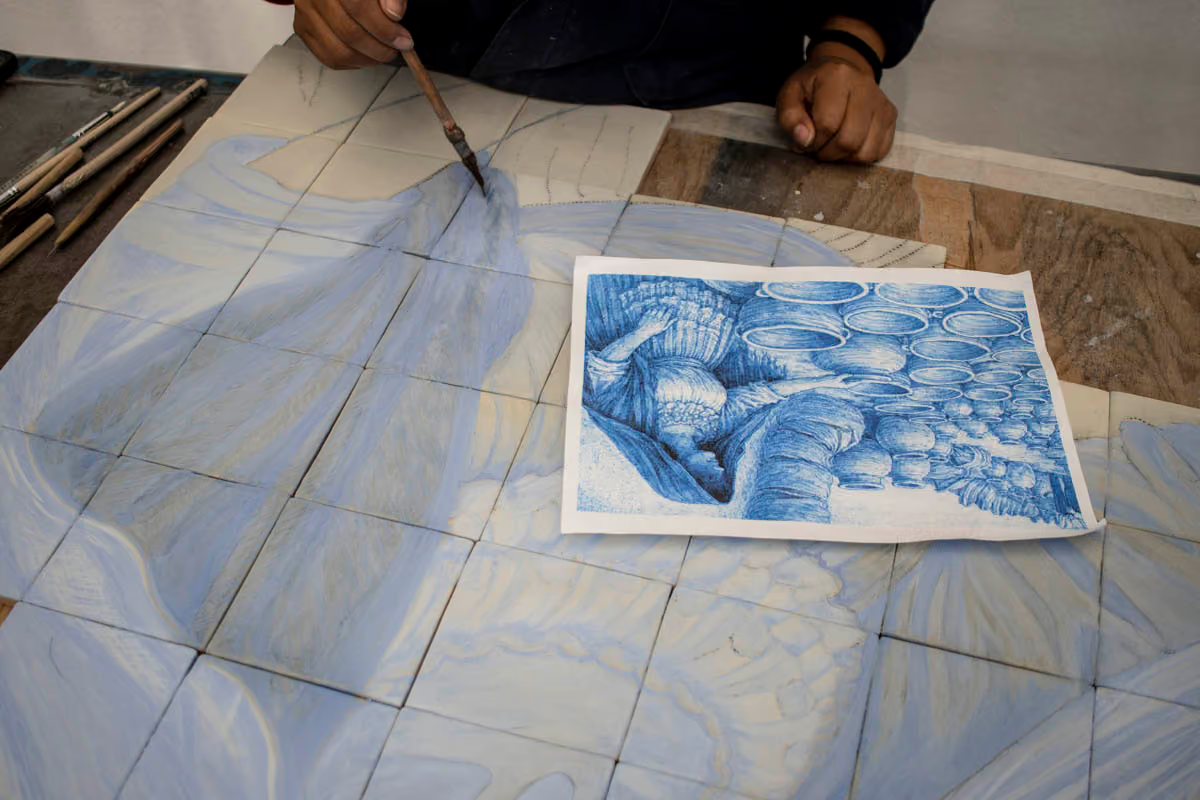
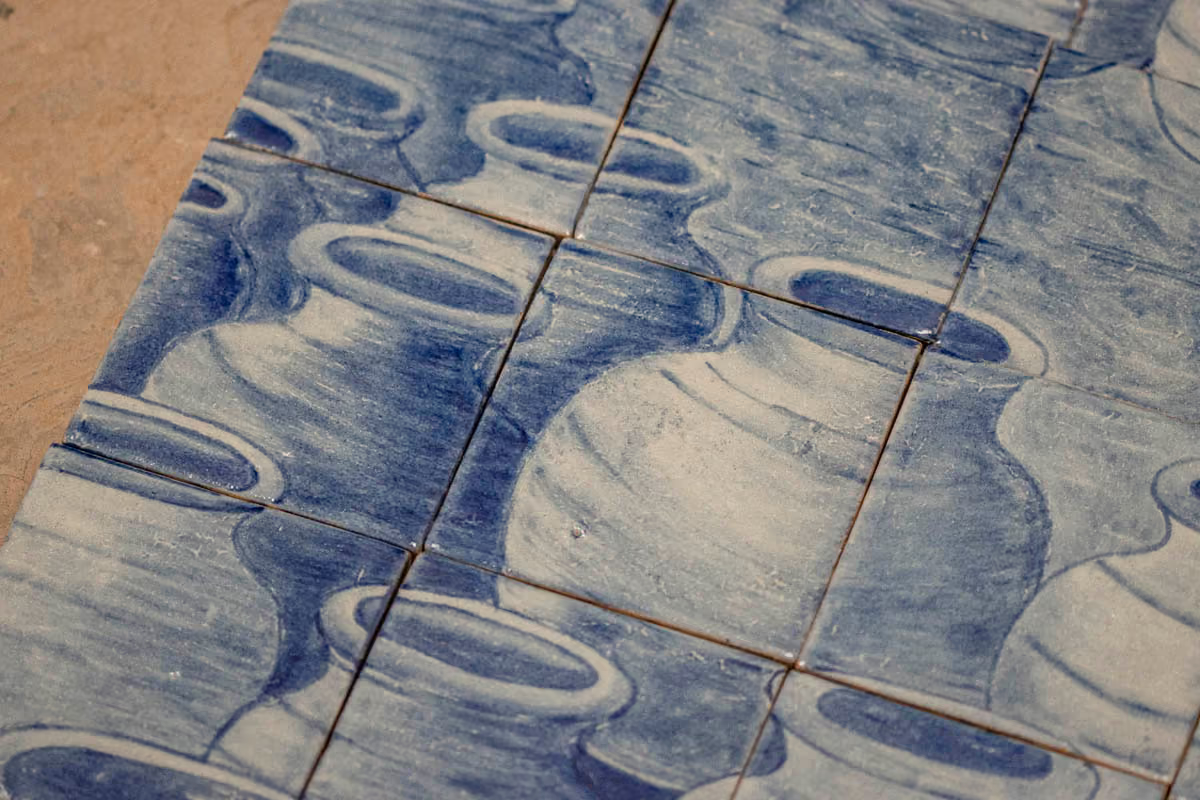
Vendedora de vasijas de barro

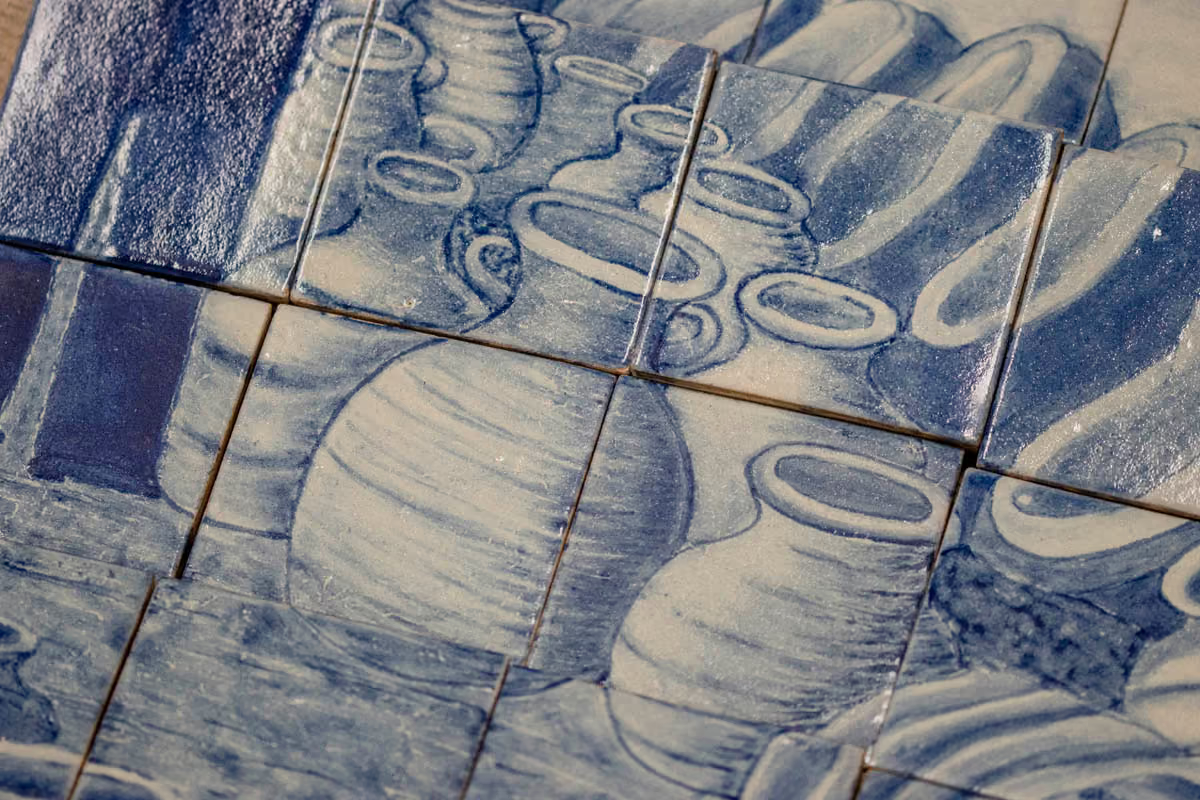
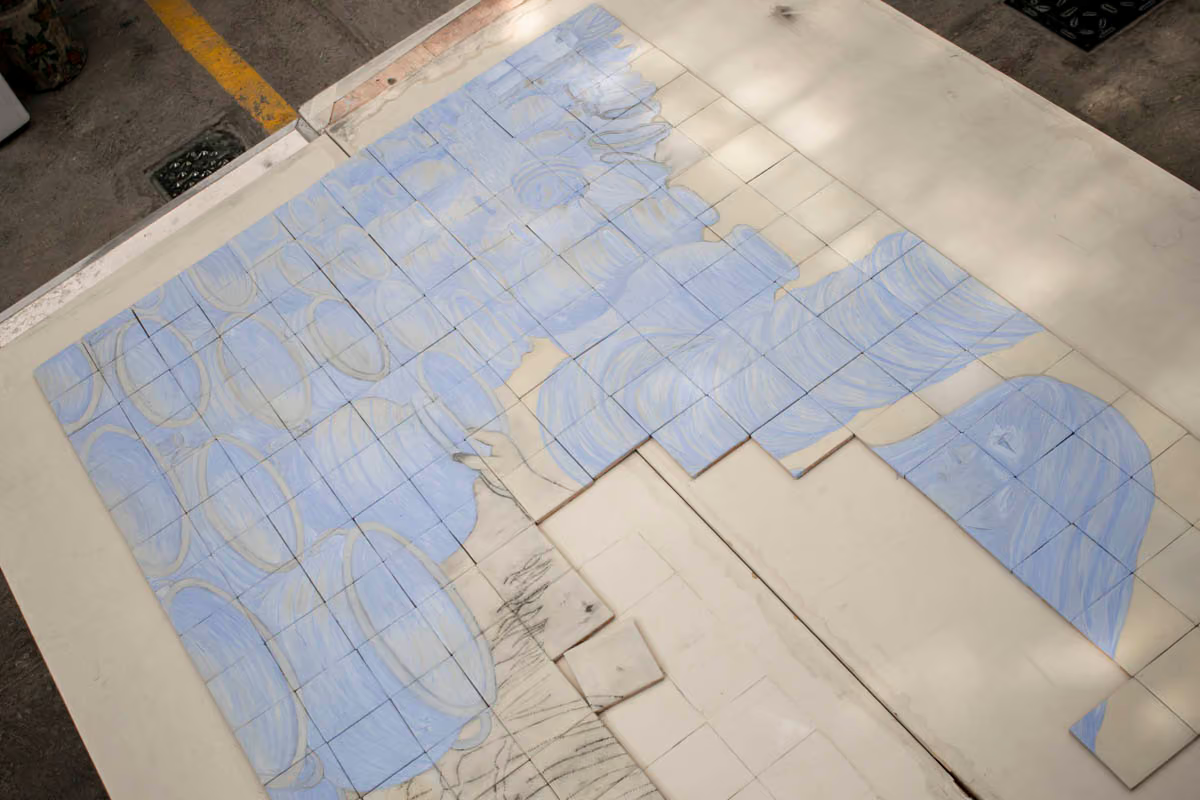
Artisan: Leticia Reyes Rodríguez

The use of barro in Mexico dates back to ancestral times, when prehispanic civilizations used it to create vessels, utensils, and ceremonial objects. Cultures such as the Olmec, Maya, and Mexica developed advanced pottery techniques through which they produced not only functional objects but also pieces charged with symbolism. Through clay, these peoples gave form to their worldview, their beliefs, and their relationship with nature, creating works of great beauty and deep cultural meaning.
Within this tradition, barro rojo stands out as one of the most representative materials of Mexican pottery, especially in regions such as Michoacán and Guerrero. Its distinctive reddish color comes from the iron oxides present in the earth, which mix with the clay as it is extracted and give it that characteristic tone.

Pieces made from barro rojo are prized for their warm, natural appearance and for the traditional techniques still preserved in their production. Beyond their aesthetic value, these crafts represent a direct connection to the land and to the country's cultural roots, becoming a living symbol of Mexican identity that has endured through time.

Process

Leticia Reyes Rodríguez

“El resultado no miente; es arte, amor y disciplina”
‍
I have been painting talavera for 11 years. The hardest part of this project was giving it depth, the play of light and shadow in blue tones, and what I liked most was the satisfaction of seeing the finished work.

Muñecas

Artisan: Jovita Martínez González
Traditional Mexican dolls are one of the most recognizable expressions of the country's folk art, particularly the muñeca María, Donxu, and Lele, easily identified by their braids tied with colored ribbons and their traditional dresses. These pieces are not merely decorative objects; they represent a deep Indigenous cultural heritage. They are made mainly by Otomí and Mazahua women who, beginning in the 1970s, migrated to Mexico City in search of better opportunities, spreading their craft built on textiles such as fajas, rebozos, morrales, and muñecas.
Today there is a wide variety of dolls reflecting the traditional dress of different Indigenous communities, with details such as embroidered blouses, colorful skirts, and hair adorned with ribbons. Beyond their appearance, these dolls originally carried a protective meaning, as they were believed to shield children from evil spirits.

Each region of the country has developed its own versions, varying in colors, forms, and techniques, which makes them unique. Yet all of them share one characteristic trait: an embroidered face that conveys warmth and keeps alive a tradition full of identity, symbolism, and creativity.

Process

Jovita Martínez González

“En la pintura se refleja el estado de ánimo y para mí es amor a mi trabajo, arte y confianza en uno mismo”
‍
I have been painting talavera for 30 years. The hardest part of this project was painting the muñecas de palma; what I liked most were the tones that were used and the way the colors came together.

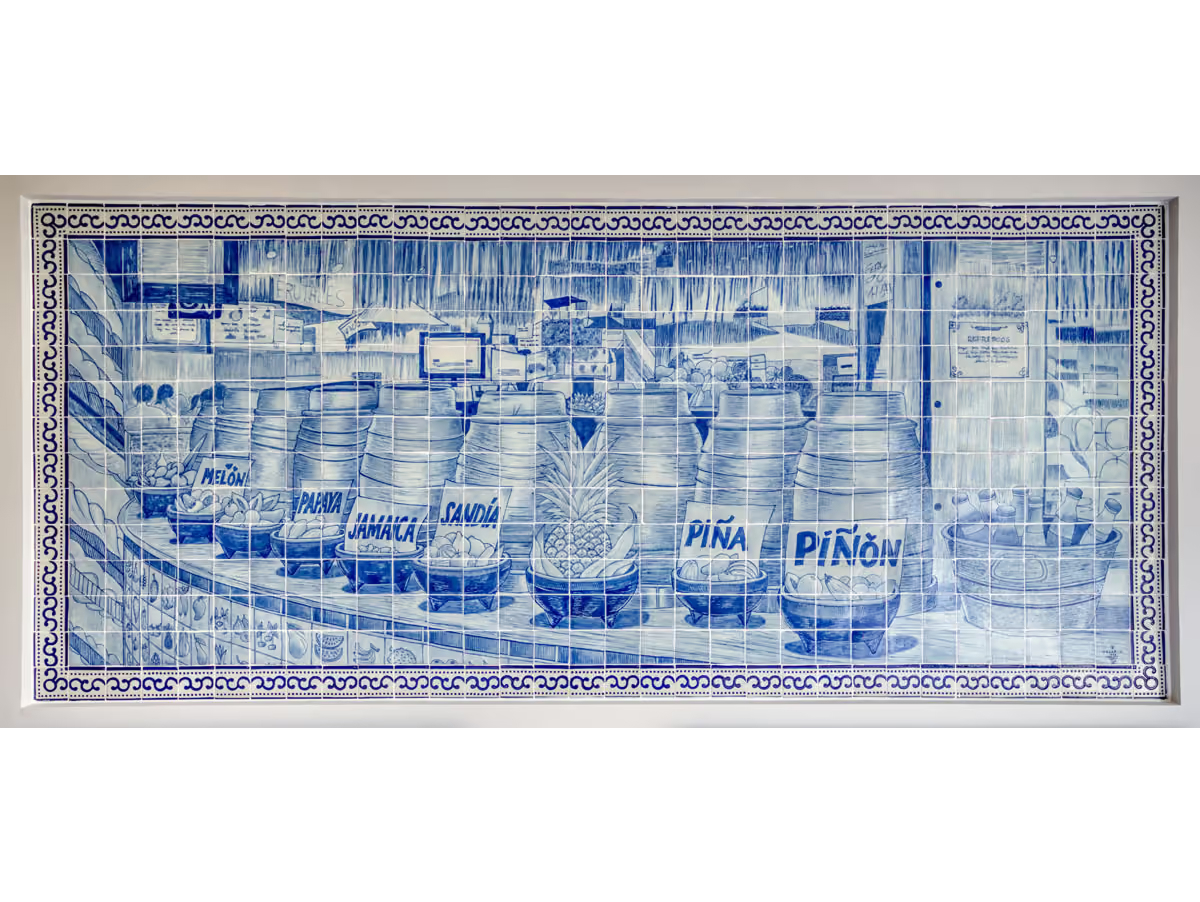
Pulquería

Artisan: Eliza Silva García

This mural depicts a traditional pulque stand. Pulque is an alcoholic beverage of prehispanic origin, deeply rooted in Mexican culture, obtained through the fermentation of aguamiel, the sweet sap drawn from the heart of the maguey pulquero. It is known for its thick consistency, whitish color, and slightly sour taste, qualities that set it apart from other fermented drinks
Throughout history, pulque has been credited with a range of medicinal properties. It is said to ease gastrointestinal ailments, stimulate the appetite, counter weakness, and even help improve certain kidney conditions. Traditionally, it has also been recommended for breastfeeding women, as it is believed to favor the production and quality of breast milk.

Beyond its physical and medicinal qualities, pulque has for centuries been an essential part of social and cultural life in Mexico. Over time the drink has evolved and diversified into a wide variety of types and flavors, reflecting the creativity, identity, and traditions of the different regions where it is made and enjoyed.
Proceso

Eliza Silva García

“Amo mi trabajo”

I have been painting talavera for 33 years. The hardest part of this project was creating the mural of los pulques, because of its size — I had never made a piece so large. What I most enjoy in my work is making traditional pieces with the classic designs of Talavera Poblana.

Piñatas

Artisan: Enrique Vázquez Tejeda

One of the most characteristic elements of Mexican celebrations is the piñata, an internationally recognized symbol of Mexican culture. It would be hard to imagine las posadas without these colorful decorations, originally made of clay and filled with seasonal fruit such as tejocote, jícama, lima, sugarcane, tangerine, and orange, along with peanuts and all kinds of candy.
The original piñata was a clay pot; colored papel de china was later added to make it more striking and to represent superfluous pleasures. Its seven points symbolize the seven deadly sins — sloth, envy, gluttony, wrath, lust, greed, and pride — which had to be destroyed blindfolded (an allusion to faith being blind), with the help of a stick representing the virtue that puts an end to temptation. The candies and treats inside the piñata stood for the riches of the kingdom of heaven; the lesson being that with faith and a single virtue one could defeat sin and receive all of heaven's rewards.

Proceso

Enrique Vázquez Tejeda

 “Para mí esto es increíble“
‍
I have been painting talavera for 31 years. The hardest part of this project was handling and caring for the details of light and shadow, and what I liked most is that the designs step outside the traditional.
Thank you! Your submission has been received!
Oops! Something went wrong while submitting the form.
Our Collection
México City
Casa Tasman, Condesa
Caliza Roma, Roma Norte
Santa Casa, Roma Norte
Casa Talavera, Roma Norte
Baja California Sur
Ámina Wind Resort, La Ventana
Laiva San Jose, Cabo
Oaxaca
Casa Sal, Puerto Escondido
Contact Us
+52 XX XXXX XXXX
WhatsApp
Correo
Go to maps
Privacy policy
Terms of use
© Copyright 2026. All rights reserved. Powered by Tasman
Follow us